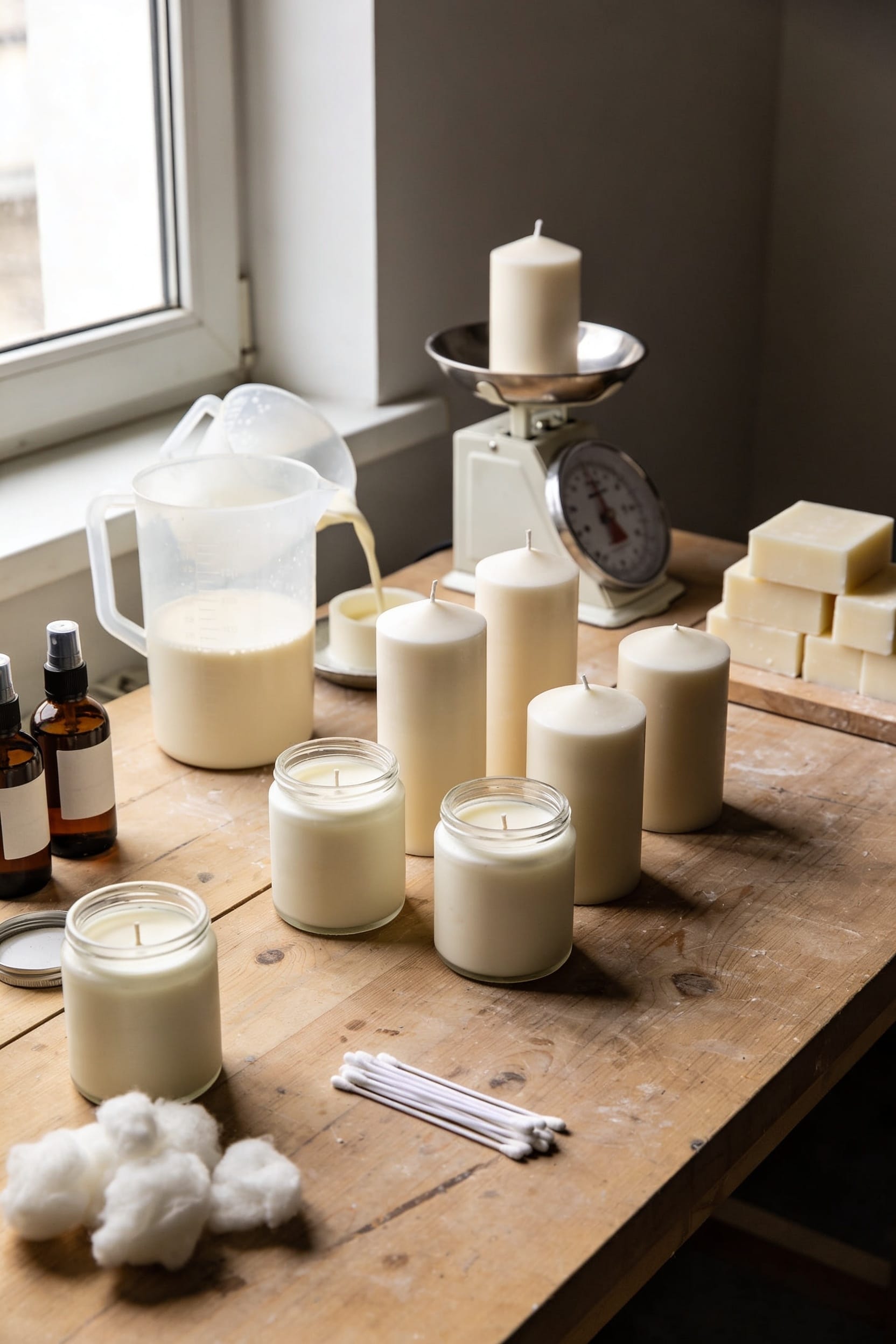

Use the numbers here as a planning filter, not a promise: profit depends on wax cost, packaging, shipping, and how consistently you pour. Before you launch, compare the steps in our beginner candle guide, review the supplies checklist, and keep your safety setup tight so margins do not get wiped out by avoidable mistakes.
Key Takeaways
- High gross margins of 60–80% enable break-even within 90 days at modest sales volumes of 100 units monthly.
- Direct-to-consumer channels with subscription models generate superior lifetime value compared to wholesale’s lower 30–50% margins.
- Initial investment recovers quickly; $1,000–$2,500 monthly profit possible from consistent production and strong customer retention strategies.
- Premium positioning through quality, artisan branding, and limited editions justifies retail prices of $15–$30 per candle.
- Success requires operational discipline: consistent product quality, focused scent offerings, and financial tracking to avoid common failure points.
What You’ll Actually Earn Per Candle Sold
the profit you make on each candle is where candle making stops being a hobby and starts being a real business—and I’m not going to sugarcoat it, the numbers are genuinely attractive if you’re willing to do the work.
Your material cost typically runs $3–$5 per candle depending on wax type, fragrance oils, and container choice. From there, a solid pricing strategy lands you at $15–$30 retail, which means $10–$25 profit per unit. That’s a 60–80% margin, which honestly is wild compared to most businesses.
Packaging impact matters more than you’d think—it eats into margins but justifies premium pricing. Production time varies by batch size, but the math stays favorable. Scale to 100 monthly sales and you’re looking at $1,000–$2,500 in profit.
Recommended Products

Quality - We produce our Dried Ginger Root essential oil using pure, natural, and raw ingredients.

🕯️🧼 RICH FLORAL SCENT FOR CANDLES & SOAPS – Sweet, exotic Ylang Ylang aroma ideal for premium candles, soaps, wax melts, and handcrafted body product lines.

HIGHEST QUALITY - Our candle fragrance MADE IN THE USA using pure, natural, and raw ingredients. All VINEVIDA products are vegan, free of phthalates, parabens, and other potentially dangerous chemicals.
Why You’ll Reach Profitability in 90 Days (Not a Year)
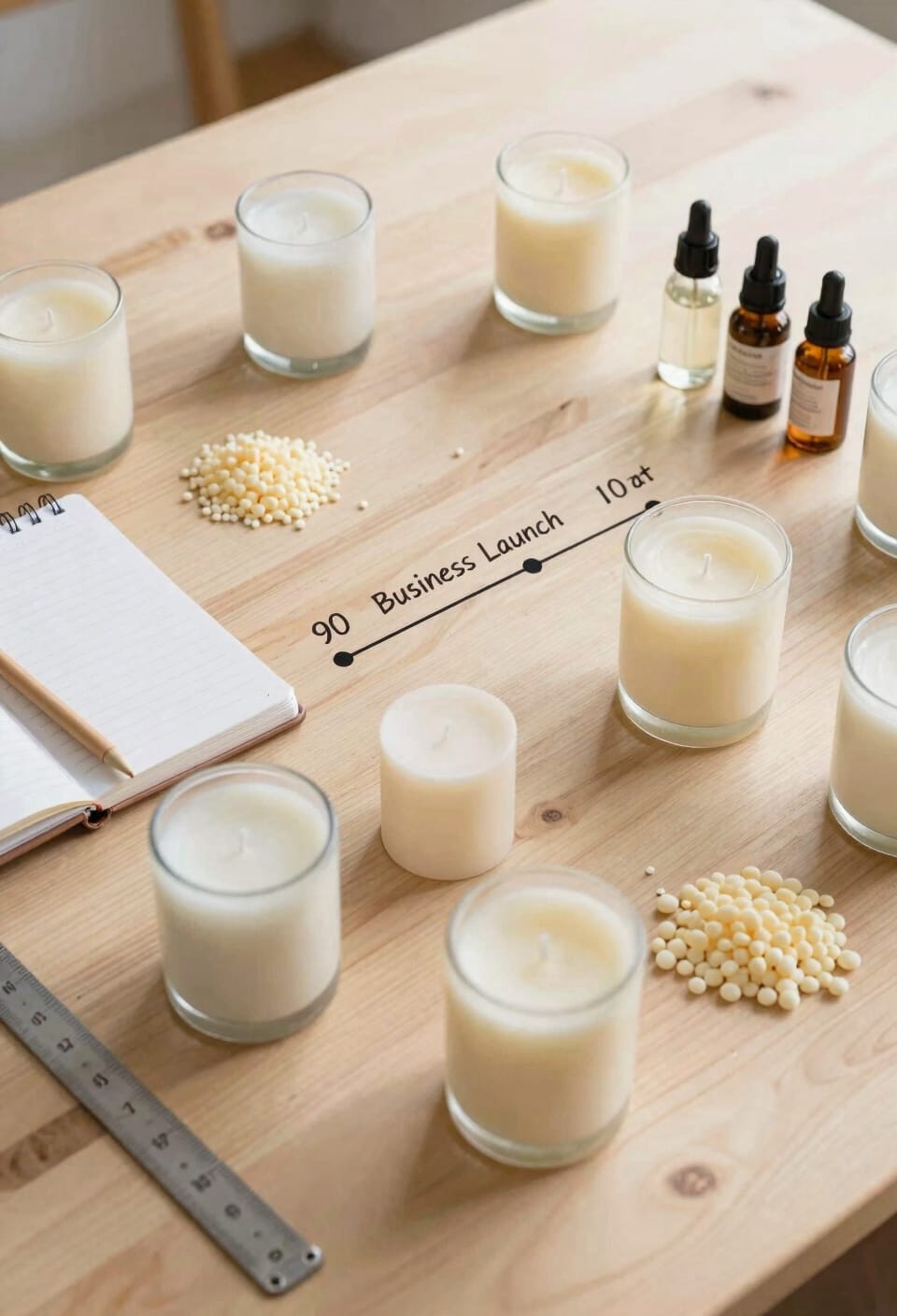
Because your gross margins sit at a rock-solid 70%, you don’t need anywhere near the sales volume that other businesses do to flip from losing money to making it. I’m talking about selling just 100 candles monthly—that’s roughly three to four per day if you’re batching production strategically. Rapid batching lets you pour multiple candles simultaneously, cutting labor time dramatically while maintaining consistency.
Here’s what makes 90 days realistic: your break-even math works fast. Once you’ve covered initial equipment and materials, nearly every sale goes straight toward profit. Customer retention through quality products and thoughtful branding accelerates this timeline even further. You’re not waiting a year to see real numbers. You’re seeing them in weeks.
Recommended Products

USER-FRIENDLY, SAFE, & WAX-FREE: The 2.75 inch in diameter candle protector is safe and easy to hold, designed to snugly fit 1/2" diameter candles, providing a secure grip and preventing candle shifting during use. This design protects hands from hot wax drips, reducing the risk of burns, making it ideal for use in crowded or communal settings. Perfect for church candles, vigil candles, and memorial candles.

DURABLE CLEAR PLASTIC AND CLASSIC DESIGN: Made from high-quality clear plastic polycarbonate, our candle protector is designed for long-lasting use. The sleek (2.75" dia x 2.25" height) design fits 5" - 6.5" length white taper candles, pink candlesticks, and colorful candlesticks, adding a touch of elegance and tradition to any service.

USER-FRIENDLY, SAFE, & WAX-FREE: The 3" in height candle protector is safe and easy to hold, designed to snugly fit 1/2" diameter candles, providing a secure grip and preventing candle shifting during use. This design protects hands from hot wax drips, reducing the risk of burns, making it ideal for use in crowded or communal settings. Perfect for church candles, vigil candles, and memorial candles.
The Scaling Roadmap: $1,000/Month to $100K+ Revenue
Now that you’ve proven your margins work and you’re hitting profitability in your first quarter, the real question becomes: how do you actually grow from $1,000 monthly profit to something that moves the needle—$5,000, $10,000, maybe six figures?
All right, here’s where direct to consumer channels become your best friend. Forget waiting for wholesale deals to materialize. Build your email list aggressively and test subscription optimization—recurring monthly candle boxes eliminate sales unpredictability and create predictable revenue streams you can actually forecast.
Start with wholesale simultaneously, yes, but treat direct sales as your primary growth engine. Those 30-50% wholesale margins look tempting until you realize subscription customers buying at full retail price generate way higher lifetime value. Stack both channels, reinvest profits into inventory, and watch your scaling accelerate.
Recommended Products

WHITE FLORAL SLEEP SCENT: Nidra's signature accord layers jasmine top notes over a creamy tuberose heart, settling into a grounding base of neroli. This scented candle was designed to ease the mind, soften the senses, and gently usher in deep rest.
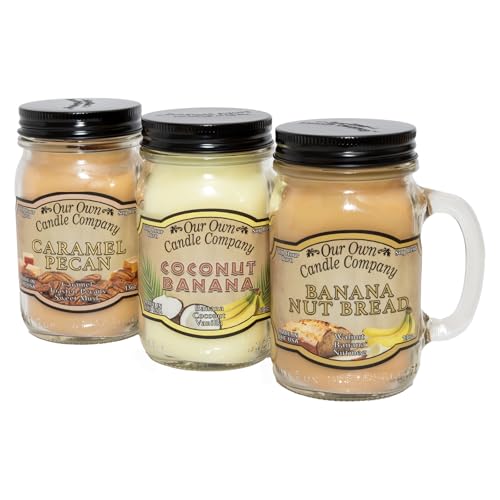
Experience a must have Grab Nuts variety pack containing Caramel Pecan, Banana Nut, and Coconut Banana mason jar candles

6 Signature Scents for Every Mood: Includes six premium fragrances — Eucalyptus Mint, Cedarwood Haven, Bluebell Fragrance, Romantic Rose, Citrus Cinnamon, and Vanilla Serenity. Each candle transforms your space into a comforting retreat.
How Premium Positioning Justifies 5x Markups

Here’s the thing: premium positioning isn’t about fooling anyone. It’s about delivering *perceived* value that matches the price. Artisan packaging—think custom labels, luxury boxes, tissue paper—signals quality before anyone lights the wick. Celebrity collaborations or limited-edition scents create urgency and exclusivity. When customers unbox your candle and feel that weight, see that finish, smell that complex fragrance load percentage, they understand why they paid more. The markup isn’t inflated. It’s earned.
Recommended Products
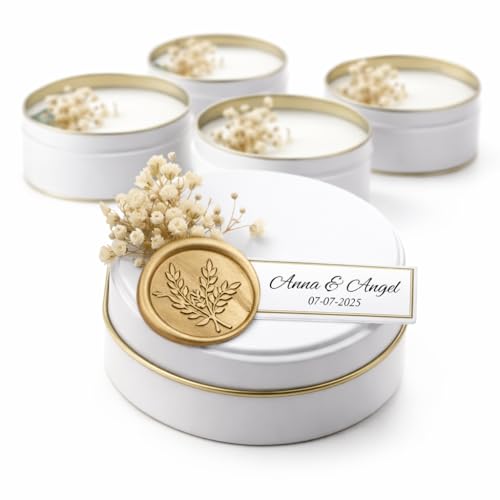
Elegant Wedding Candle Favors: Hand-poured soy candles with mini bouquets — perfect for weddings, showers, and engagement parties.

INDULGENT HOLIDAY FRAGRANCE EXPERIENCE - As twilight settles and the first toast is raised, the air turns indulgent with the deep allure of black plum and the vibrant, subtly spiced brightness of cassis. Lush, dark fruit notes unfold like velvet ribbon—ripe, juicy, and brimming with festive warmth. A whisper of winter spice lingers in the background, grounding the sweetness in richness and elegance. This is the scent of celebration—bold, beautiful, and wrapped in seasonal indulgence.

Luxury Preserved Roses Flowers Gift 75 real preserved roses arranged as an elegant rose flower arrangement, designed as a premium flowers gift for romantic and meaningful moments.
Why Most Candle Businesses Fail (And How You Won’t)

Most candle businesses fail not because the margins are bad—they’re genuinely excellent—but because founders treat the business like a hobby and the product like an afterthought. You’ll see poor branding paired with inconsistent quality, and suddenly you’re competing on price instead of value. I’ve watched people nail their first batch, then slack on cure times or fragrance load percentages—the amount of scent oil added to wax—on batch five. That inconsistency kills repeat customers faster than anything else. You won’t fail if you’re disciplined: test your soy or paraffin blends rigorously, dial in your wick sizes obsessively, and treat every pour like it matters. Because it does. Quality plus niche positioning beats volume every single time.
The 2026 Advantage: Why Now Is the Right Time
Because consumer demand for handmade, eco-friendly products has hit a genuine inflection point, you’re entering the candle market at a moment when both the tailwinds and the infrastructure are aligned in your favor. Sustainability timing is finally working with you, not against you. Soy wax—once a niche choice—is now mainstream. Technology adoption has democratized everything: fragrance suppliers ship small quantities cheaply, mold options abound online, and pouring temperature guidance exists for every wax type you’ll encounter. Your customers actively *want* to buy from small makers. The market expects $6.64 billion by 2028. You’re not fighting consumer preferences anymore. You’re riding them. That’s the advantage.
Your First 90 Days: From Startup to Sustainable Profit
You’ve got the market tailwind at your back and the infrastructure in place—now comes the part that actually matters: turning that advantage into cash flow before your enthusiasm cools or your material costs spike.
Here’s the thing: your first ninety days determine everything. Start with local sourcing for soy wax and fragrance oils—it cuts shipping delays and keeps costs predictable. Test five scents maximum. Pour at 185°F, let cure for seventy-two hours, then sell what actually works.
Production automation matters less than consistency right now. Hand-pouring fifty candles weekly beats rushing a hundred poorly. Track every penny spent on wax, wicks, and containers. Hit fifty sales by day sixty, break even by day ninety, reinvest profits into better equipment and wider distribution.
Profitability isn’t theoretical anymore—it’s your next quarter.
Recommended Products


Safer Ambience for Everyday Moments: Our sand wax candle design with self-extinguishing sand candle wicks minimizes fire risk if tipped and prevents hot wax spills; ideal for homes with pets or kids that won’t renounce stylish décor, offered in White, Red, Nude, and Black for cozy luxury

Professional Wax Melter for Candle Making or Soap Making, Melter 3 Gallon Stainless Tank, Extra Deep for Your Larger Batches Of Candles or Soap, This Has Been Designed From Customers Requests and is Unlike Other Competitors.
What to Validate Before You Scale
Test Your Real Cost Per Candle
Count wax, wicks, jars, labels, packaging, and shipping before you call the business profitable. If you need a supply baseline, our supplies checklist and full checklist will keep the math grounded.
Prove Demand Before Bulk Buying
Make a small test batch, gather feedback, and only then buy in larger quantities. That approach matches our research-first method on the About Us page and keeps you from overcommitting cash too early.
Frequently Asked Questions
How Much Initial Capital Do I Actually Need to Launch a Candle Business From Home?
You’ll need $500-$1,500 to start. I’d recommend focusing your startup budgeting on essential equipment sourcing: melting pots, fragrance oils, wax, and containers. This minimal investment lets you break even within two months.
What Specific Niche Positioning Generates the Highest Profit Margins in Today’s Market?
Luxury aromatics with minimalist packaging dominate today’s market, commanding premium pricing that’ll boost your margins markedly. I’d focus on eco-friendly soy blends and niche scents—they’re consistently generating the highest profit potential for new entrants.
How Do I Manage Overhead Costs Effectively as Production Volume Increases?
I’d say you’ve got to keep your eyes on the prize: implement batch scaling to distribute fixed costs across higher volumes, then use inventory forecasting to prevent overspending on storage and materials that’ll drain your profits.
Which Wholesale Versus Retail Sales Mix Maximizes Profitability in Year One?
I’d recommend a 70% retail, 30% wholesale mix in year one. Your retail split captures those premium 60-80% margins while wholesale establishes distribution channels. This balance maximizes profitability without overcommitting production capacity.
How Can I Prevent Material Cost Inflation From Eroding My Profit Margins?
You’ll prevent margin erosion by locking in bulk buying agreements early and diversifying suppliers to negotiate competitive rates. I’d also recommend raising prices strategically—ensuring they outpace material inflation to protect profitability.
Conclusion
Starting a candle business brings brilliant profit potential if you’re prepared, patient, and persistent. You’ll pocket substantial sums per candle sold—especially with premium positioning—and hit profitability promptly. The pathway from concept to consistent cash flow is clearly charted: craft quality candles, calculate costs carefully, and commit to your first ninety days. You’ve got this. Now go make those candles.