As an Amazon Associate, we earn from qualifying purchases. Some links on this site are affiliate links at no extra cost to you. Our recommendations are based on thorough research and editorial judgment.

Can You Use Perfume in Candles? Why It Usually Doesn’t Work

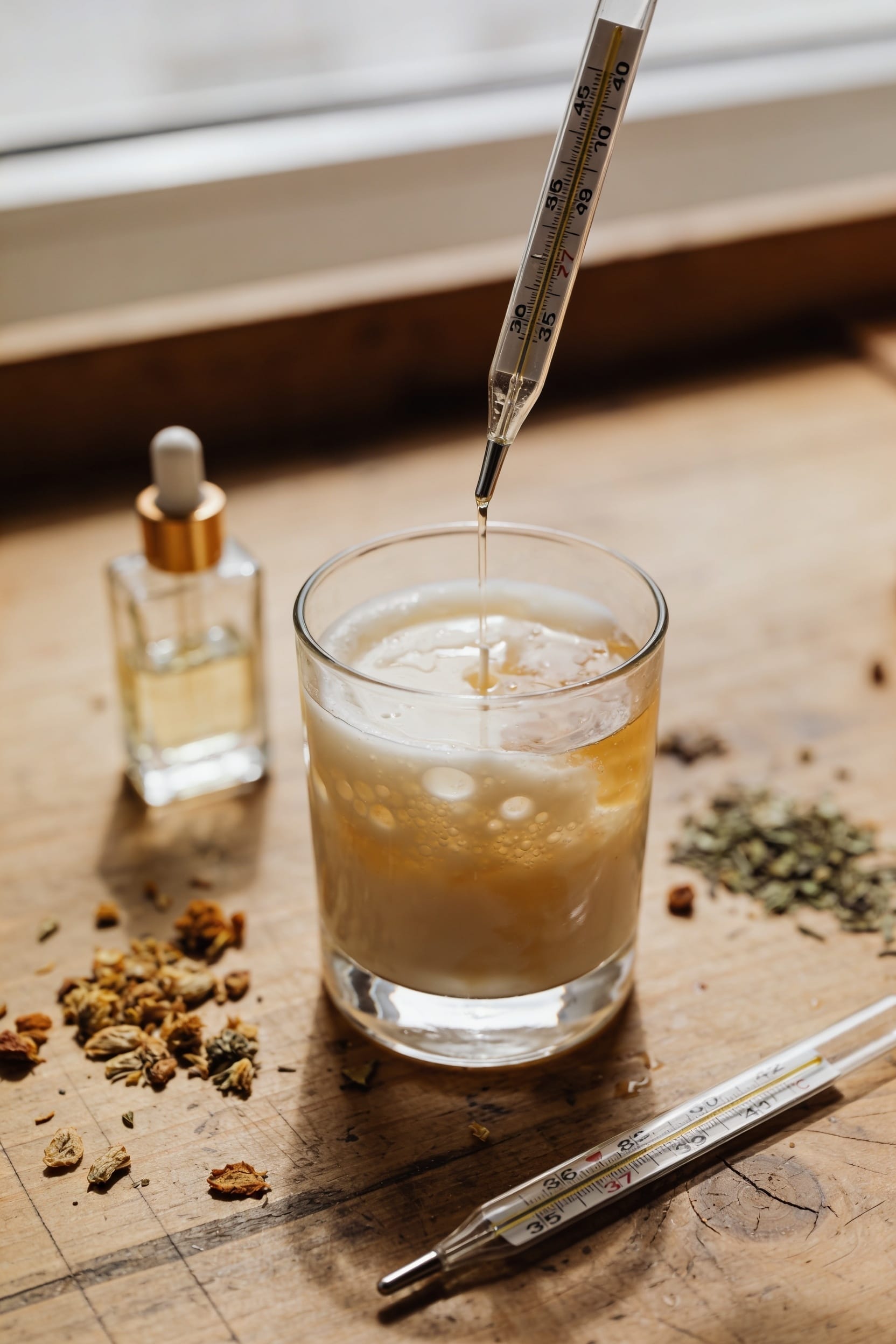
I’ve ruined more candles than I’d like to admit by pouring perfume into melted wax, thinking the scent would stick around—it doesn’t, and worse, it can actually catch fire. Perfume contains water and alcohol that refuse to bond with wax; the alcohol evaporates faster than your wax cures, while the water separates out entirely. You’re left with weak scent throw (how much fragrance actually burns), clogged wicks, and a genuine fire hazard since perfume’s low flashpoint alcohol can ignite in hot wax. Fragrance oils are formulated specifically for candles. Stick with those instead, and I’ll show you exactly how.
Key Takeaways
- Perfume contains water and alcohol that won’t bond with wax, causing separation and streaky layers.
- Alcohol in perfume has low flashpoints and can ignite when exposed to heated wax.
- Water in perfume evaporates during curing, carrying scent away and weakening fragrance throw.
- Perfume residue clogs wick fibers, preventing proper wax fuel absorption and uneven burning.
- Fragrance oils are chemically formulated to blend with wax; perfume is not designed for candles.
Why Perfume and Candle Wax Don’t Mix
Although it might seem logical to pour your favorite perfume into melted wax and call it a candle, I’m here to tell you—after watching more than a few batches separate into weird, gooey layers—that perfume and wax are fundamentally incompatible. Here’s the thing: perfume contains water and alcohol, neither of which bond with wax. This scent incompatibility creates chemical separation, leaving you with streaky, inconsistent results. The water refuses to mix, the alcohol evaporates faster than you’d want, and your gorgeous candle turns into a disappointing mess. I’ve learned this the hard way. Fragrance oils, by contrast, are specifically formulated to blend seamlessly with wax molecules. They’re designed for this job. Perfume simply isn’t.
The Fire Hazard: Why Perfume in Candles Is Dangerous
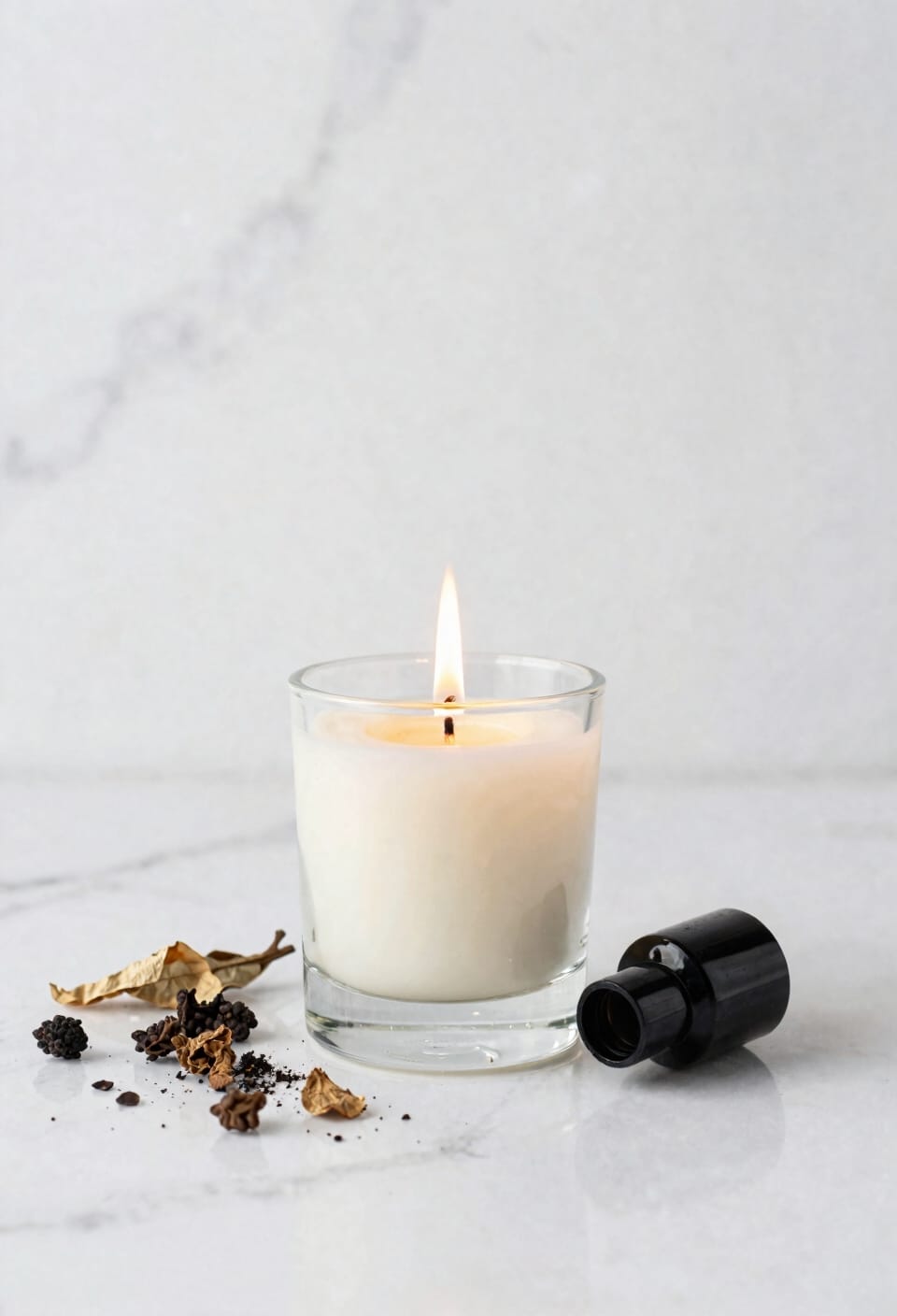
Beyond the chemical incompatibility, here’s what keeps me up at night about perfume in candles: it’s genuinely dangerous. Most perfumes contain alcohol with flashpoints—the temperature at which something ignites—below 100°F. That means your melted wax, heated to 185°F or higher, can cause sudden ignition. I’ve seen what happens when fragrance evaporates too quickly in a hot container, and it’s not pretty.
Flammability testing exists for a reason. Fragrance oils pass it; perfume doesn’t. When you’re selecting your container, remember that heat builds inside during burning. Excess alcohol-based perfume separates from wax and pools dangerously. You’re not just risking a weak-smelling candle—you’re risking an actual fire. Use fragrance oils designed for candles. Your safety matters more than saving a few dollars.
Recommended Products

45 Pound Case A luxurious, creamy coconut apricot candle wax blend for luxury candle making. This candle wax also has a very small amount of refined food grade paraffin wax to help with wax performance. We have found that this small addition of paraffin wax enhances its burn characteristics that candle makers love.

***New To Market** Coconut 86 Coconut Soy Wax Flakes for Candle And Tarts

Hemp Coconut Soy Wax Hemp Coconut Soy wax is a container wax that is a blend of natural hemp, soy, coconut and food-grade paraffin wax. This is an easy to use, single pour wax with great cold & hot throw. This wax also has great glass adhesion with an even slow burn.
Water Ruins Scent Throw: The Perfume Problem
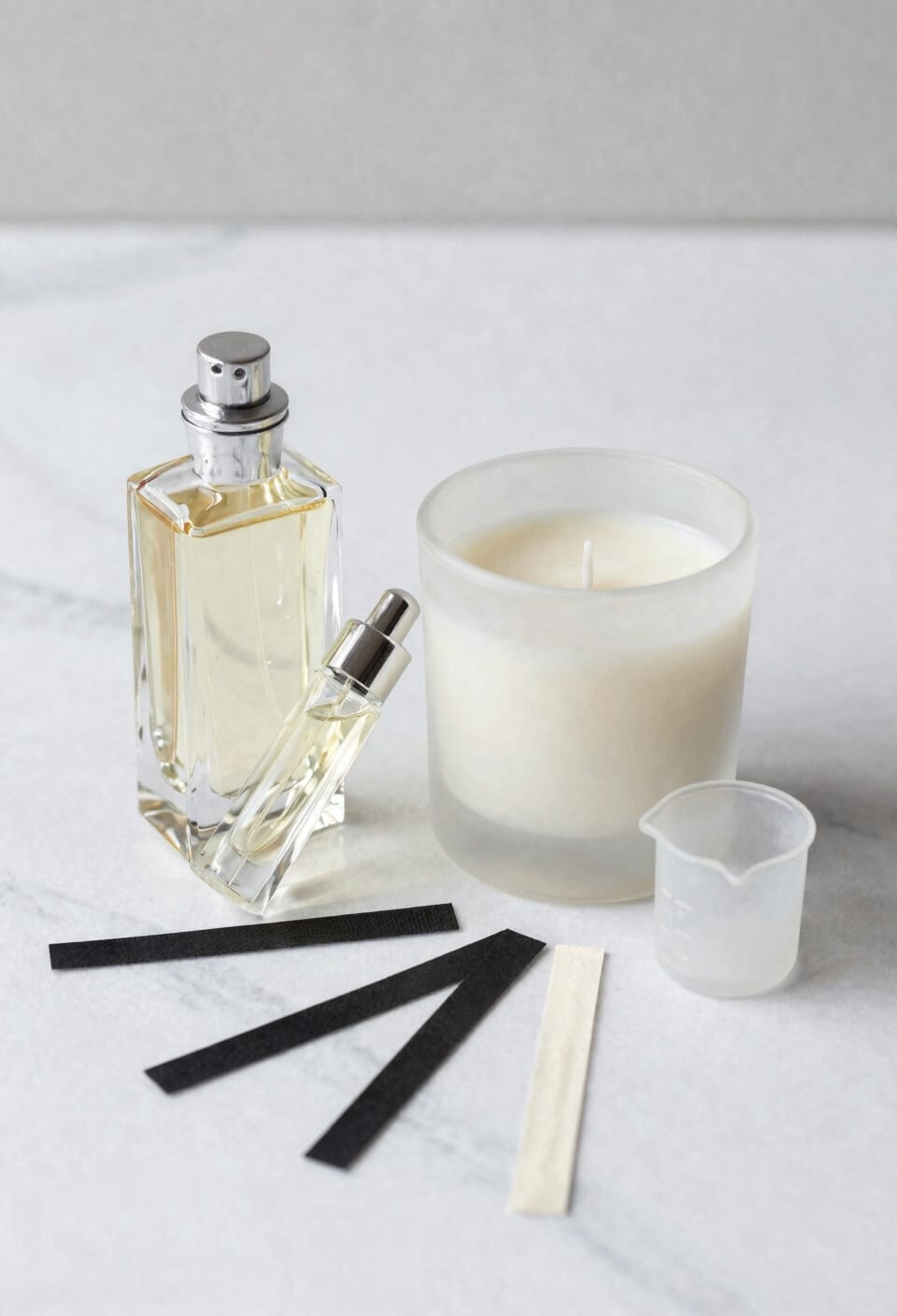
Perfume contains water, and water doesn’t mix with wax—it’s that simple, and it’s the reason your carefully poured candle’s scent will fizzle out faster than you’d expect. Here’s the thing: that aqueous separation happens because fragrance oils are hydrophobic, meaning they actively repel water molecules. Your scent dilution problem starts immediately. The water evaporates during the cure process, taking aromatic compounds with it, while the oil that remains barely clings to the wax. You’ll pour your candle with high hopes, let it cure, light it up, and discover the scent throw—how much fragrance actually fills your room—is disappointingly weak. Fragrance oils solve this entirely because they’re designed to bond with wax, giving you consistent, reliable scent performance every single time.
Recommended Products

SCENT - Sea & Dune evokes fresh lemon and spicy coastal lily falling into watery blue lotus and natural sea grass. Warm golden amber and cool sea spray invite you to escape to endless summer days.
100% NATURAL SOY WAX : Hand-poured in small batches with natural soy wax and premium fragrance oils for a clean and long-lasting burn

🕯️🧼 RICH FLORAL SCENT FOR CANDLES & SOAPS – Sweet, exotic Ylang Ylang aroma ideal for premium candles, soaps, wax melts, and handcrafted body product lines.
Why Perfume Clogs Your Candle Wick
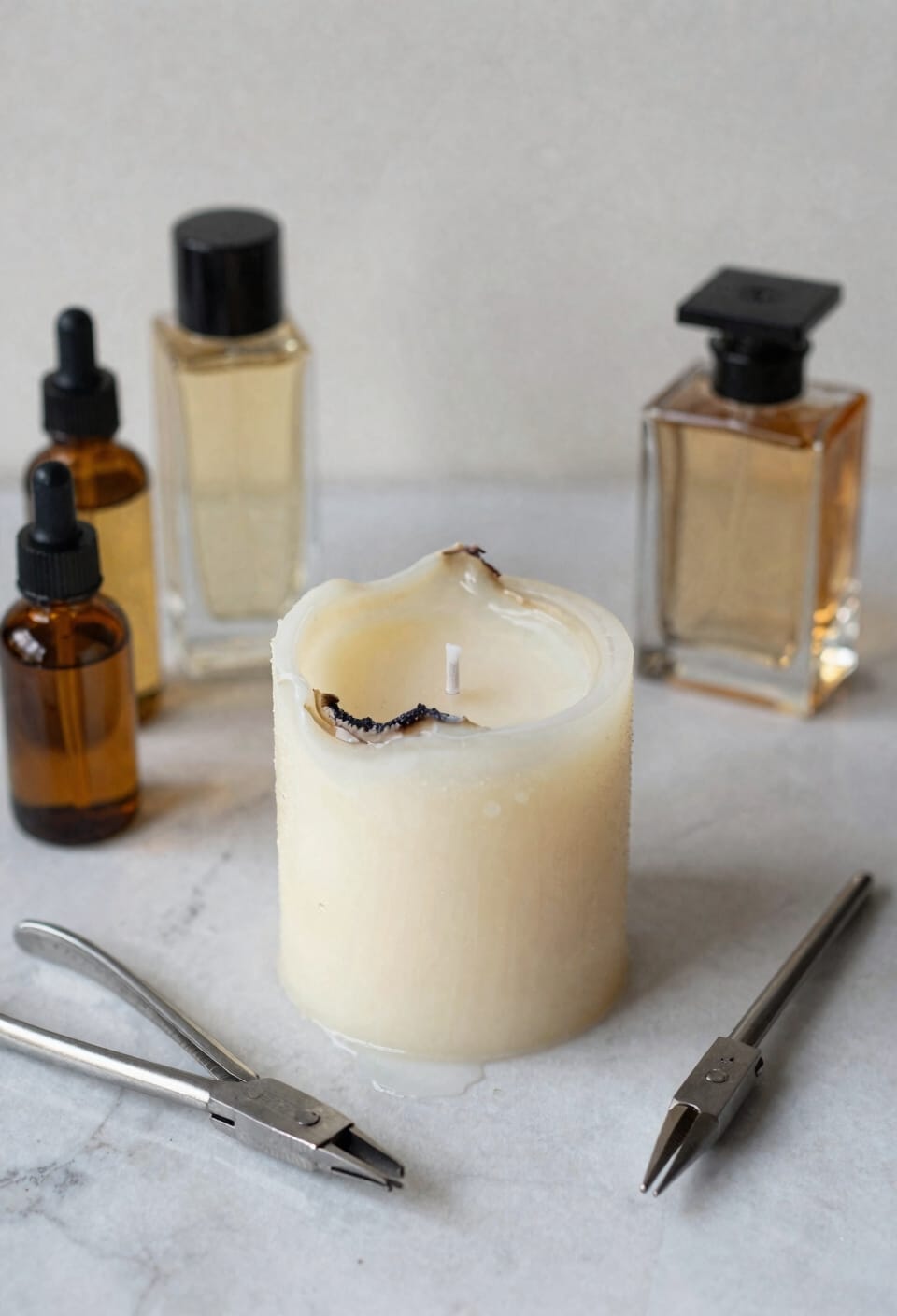
Now here’s where the problem gets even messier: that water content in perfume doesn’t just ruin your scent throw, it also gums up your wick something fierce. When you burn a candle with perfume in it, that water doesn’t evaporate cleanly—it leaves behind residue buildup that coats your wick fibers. Over time, wick clogging creates a thick, gunky layer that chokes off the fuel supply to your flame. Your wick can’t draw wax up properly, so you get uneven burning, tunneling, and basically a useless candle. I’ve watched this happen firsthand, and it’s frustrating. Fragrance oils, by contrast, bond with wax and burn cleanly without leaving that nasty residue behind. Stick with fragrance oils designed for candle making, and you’ll avoid this headache entirely.
Temperature and Dosage: Why the Math Fails With Perfume
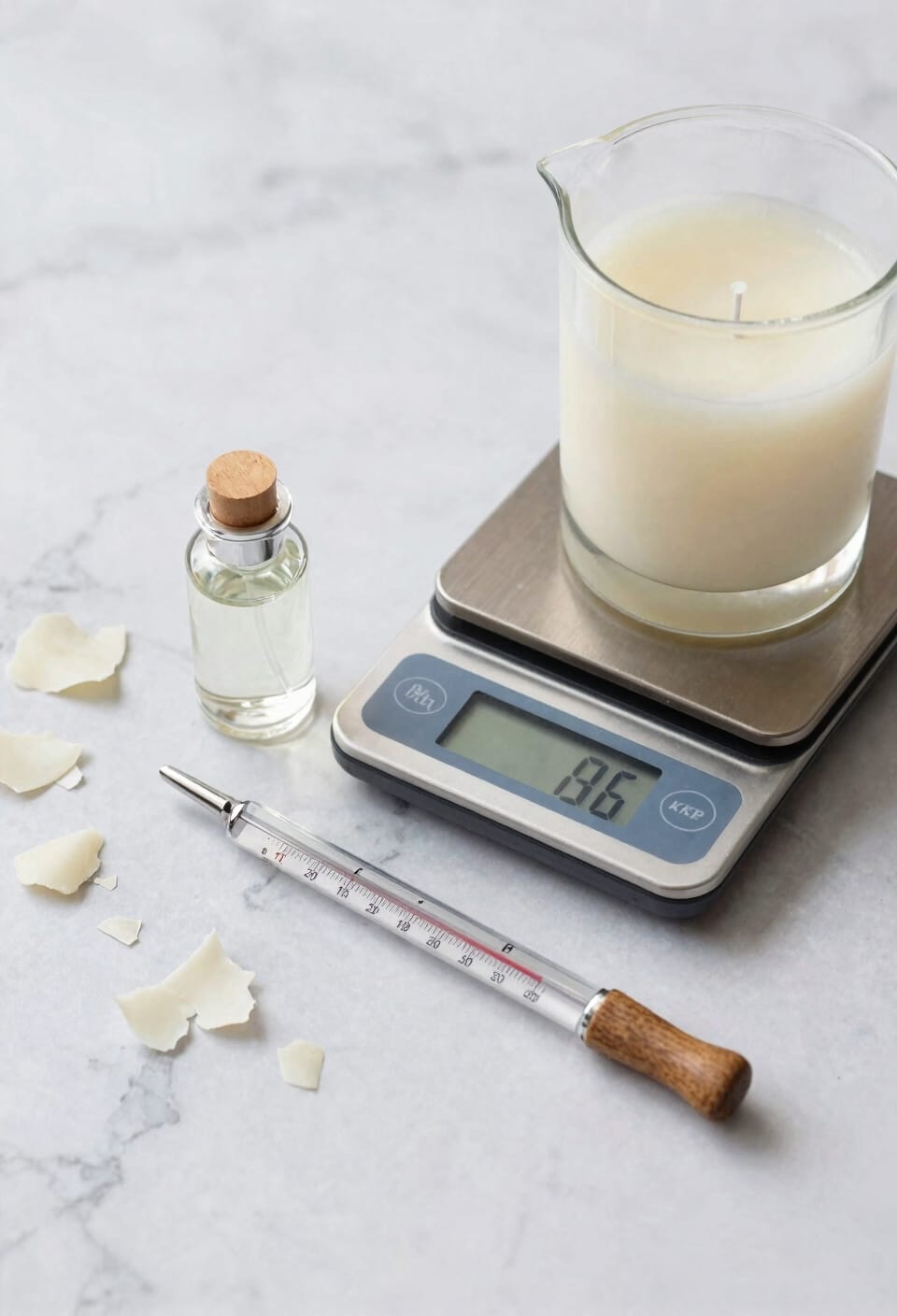
When you’re working with fragrance in candles, temperature and dosage aren’t just nice-to-know details—they’re the foundation that keeps everything from falling apart. Here’s the thing: fragrance oils need specific heat ranges—180-185°F for soy or paraffin, 200-205°F for palm—to bind properly with wax. Perfume, though? It starts evaporating well before you hit those temperatures because it’s got a lower flashpoint, meaning the temperature at which it ignites or vaporizes. The temperature math alone makes perfume incompatible with candle science.
Now add dosage mismatch to that problem. You’d typically use 10% fragrance by weight—roughly one ounce per pound of wax. But perfume’s water content refuses to play nice. You can’t simply swap perfume for fragrance oil at standard ratios without creating gooey spots, separation, and weak scent throw that’ll disappoint you every single time.
Recommended Products

Yellow Beeswax is a natural wax formed by honey bees. The wax is discarded by the worker bees in or at the hive. The hive workers collect it and use it to form cells for honey storage. It becomes colored yellow from the pollen. Our 100% pure natural yellow beeswax is in pellet form, which makes working with it easy. Save time with no messy clean up from having to grate it.

IN THE BOX. One 5E Superior Signal Electric Smoke Blower (110VAC); one 8'x4" flex hose for easy hook-up to 4" or 6" waste system clean-outs, instructions for smoke-testing sewer laterals and DWV systems. 2B Smoke Candles are sold separately. Search Amazon: Superior Smoke Candles 2B

King of Floral Essential Oils - Because of its highly fragrant aroma Jasmine Oil is regarded as leader of Floral Scented Oils throughout the aromatherapy industry. It belongs to the Oleaceae botanical family and has a warm, musky, sweet, exotic, euphoric aroma that uplifts mood, creates a romantic mood and also increase self-confidence.
Fragrance Oils vs. Perfume: Why Oils Win
At nearly 400 fragrance oil varieties on the market, you’ve got options that perfume simply can’t match—and that’s before we even talk about performance. Here’s the thing: fragrance oils are engineered specifically for scent chemistry in wax. They’re formulated to bind with paraffin, soy, or coconut without separating or clogging your wick. The throw comparison is night and day—fragrance oils deliver consistent hot throw (scent when the candle burns) and cold throw (scent when unlit) from day one. Perfume? It’ll evaporate before your candle even sets properly. Fragrance oils won’t puddle gooey spots or create air bubbles. They’re safety-tested with documented flashpoints. You’re not gambling with homemade scent performance. Pick quality fragrance oils and you’ll actually enjoy the candles you pour.
Recommended Products
![VINEVIDA [128 Oz] Scent No.3010; Fragrance Oil for Candle Making and Soap Making - Premium Candle Scents for Soy Candles](https://m.media-amazon.com/images/I/317iHilltgL._SL500_.jpg)
![VINEVIDA [128 Oz] Scent No.3016; Fragrance Oil for Candle Making and Soap Making - Premium Candle Scents for Soy Candles](https://m.media-amazon.com/images/I/31eDg3sHSxL._SL500_.jpg)
![VINEVIDA [128 Oz] Scent No.1910; Fragrance Oil for Candle Making and Soap Making - Premium Candle Scents for Soy Candles](https://m.media-amazon.com/images/I/311YSf73dcL._SL500_.jpg)
Versatile Uses: Perfect fragrance oil for candle making; ideal for soy wax, soap making, perfume making, body butter, car freshies; create professional quality scented products with these concentrated essential oil alternatives
What About Essential Oils (Spoiler: They Don’t Work Either)?
I get it—essential oils smell amazing, they’re natural, and they’re already sitting in your bathroom cabinet. Here’s the thing: they won’t work in candles, and there are real reasons why.
Essential oils evaporate at lower temperatures than fragrance oils, meaning they’ll burn off before your candle even does. You’ll get almost no scent throw—that’s the strength of fragrance you smell when the candle’s burning. Beyond performance issues, there are safety concerns. Essential oils have unpredictable chemical variability depending on harvest, distillation, and storage, so you can’t guarantee consistent results.
They also don’t bind to wax properly and can destabilize your pour. Stick with fragrance oils designed specifically for candles. They’re tested, reliable, and actually built to survive the heat.
Make Candles Right: Switching to Fragrance Oils Today
Now that you’ve ruled out perfume and essential oils, let’s talk about what actually works—fragrance oils designed specifically for candle making. I’m talking about oils engineered to blend seamlessly with wax and release scent properly as your candle burns. You’ll want to master scent blending, experimenting with complementary fragrances to create custom combinations that perform beautifully. Pair this with proper wick selection—the right wick size matters enormously for how your fragrance throws. Consider soy alternatives if you’re eco-conscious; they hold fragrance exceptionally well. Container sizing also affects performance; larger vessels need stronger fragrance loads. Start with quality fragrance oils at 10% of your candle’s weight, cure for a full week, and you’ll finally get the scent throw you’ve been chasing.
Recommended Products

HIGHEST QUALITY - Our candle fragrance MADE IN THE USA using pure, natural, and raw ingredients. All VINEVIDA products are vegan, free of phthalates, parabens, and other potentially dangerous chemicals.
![VINEVIDA [128oz] Birthday Cake Fragrance Oil for Soap Making Scents for Candle Making, Perfume Oils, Soy Candles, Bath Bombs, Slime, Car Freshies, Car Spray, Lotion, Linen Spray, Laundry, Kitchen](https://m.media-amazon.com/images/I/31z0YuAiwQL._SL500_.jpg)
HIGHEST QUALITY - Our scents and fragrances are skin-safe (when diluted) MADE IN THE USA using pure, natural, and raw ingredients. All VINEVIDA products are vegan, free of phthalates, parabens, and other potentially dangerous chemicals.

MASSIVE 8" × 14" LUXURY CANDLE – 300 OZ OF NATURAL COCONUT SOY WAX Make a statement with this Classic Big Ass Candle—our largest candle. This luxury candle delivers bold presence, elegant style, and room-filling fragrance. Perfect as a centerpiece for living rooms, great rooms, and upscale spaces.
Frequently Asked Questions
Can I Dilute Perfume With Fragrance Oil to Make It Work in Candles?
I don’t recommend diluting perfume with fragrance oil. You’ll still face solubility issues since perfume’s water content won’t properly bind to wax, compromising scent longevity and creating fire hazards. Stick with fragrance oils designed for candles.
How Long Does Perfume Stay in a Candle Before It Completely Evaporates?
I’d compare perfume’s candle lifespan to Icarus’s wax wings—it simply won’t hold. Your evaporation timeline spans mere hours, not days. Scent retention fails dramatically; you’re left with weak, inconsistent throw that disappoints entirely.
Will Using Perfume Void My Candle’s Safety Certification or Insurance Coverage?
Yes, using perfume will likely void your candle’s safety certification and create serious insurance risk. I’d recommend switching to certified fragrance oils to maintain your coverage and protect yourself legally.
Can I Use Perfume in Wax Melts Instead of Traditional Candles Safely?
I’d recommend against using perfume in wax melts. The alcohol content creates fire hazards, poor scent throw, and potential skin sensitivity issues. I’d suggest fragrance oils designed specifically for wax melts instead.
What’s the Cost Difference Between Perfume and Professional Candle Fragrance Oils?
I’d say fragrance oils typically cost 20-40% more than perfume, but you’re getting ingredient transparency and safety specs. That premium guarantees your candles burn safely without separation or fire hazards.
Conclusion
Look, I’ve ruined enough candles learning this the hard way so you don’t have to. Perfume simply isn’t built for heat and flame—it burns off, clogs your wick, and frankly, smells terrible doing it. Fragrance oils? They’re formulated specifically for candles. Why settle for a candle that performs like a dud when switching to the right materials takes zero extra effort? Trust me on this one.