As an Amazon Associate, we earn from qualifying purchases. Some links on this site are affiliate links at no extra cost to you. Our recommendations are based on thorough research and editorial judgment.

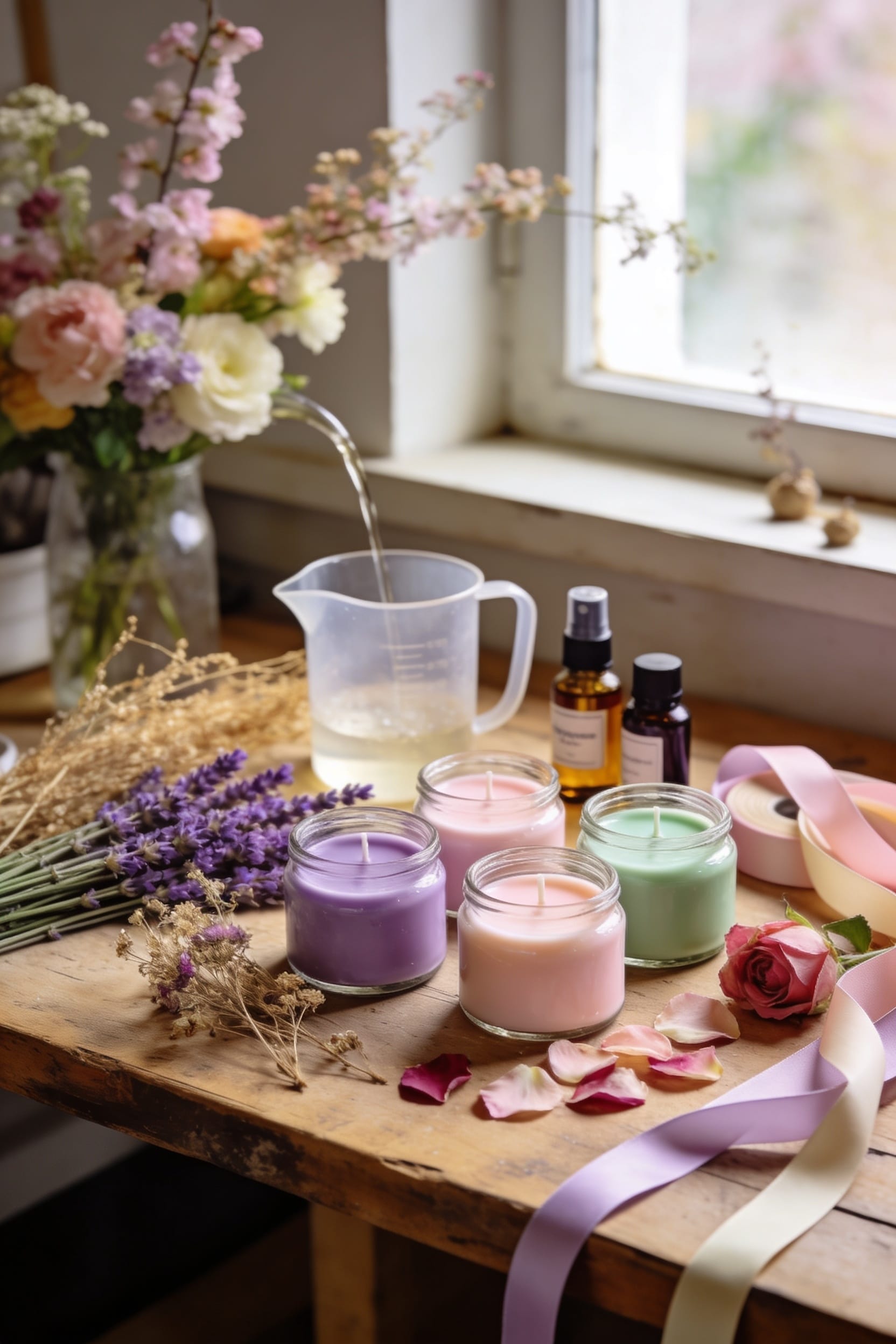
Spring Candle Making Ideas: Fresh Scents, Pastel Colors & Floral Designs

All right, here’s what I’ve learned: spring candles live or die on three things. First, use soy wax with fragrance oils formulated for candles—not essential oils—at about one teaspoon per sixteen ounces for proper scent infusion. Second, go easy on dyes; pastels need restraint, and a single-drop napkin test saves batches from looking washed-out beige. Third, silicone molds create floral embeds that actually look intentional, not like accidents. Pair these with fresh flowers and proper wick trimming, and suddenly people want to know where you got them.
Key Takeaways
- Use soy wax with fragrance oils like lavender, jasmine, peony, or lilac blended for depth and spring appeal.
- Create pastel colors by adding dye incrementally and test on napkin first for soft, airy spring palette.
- Make decorative wax embeds using silicone molds of tulips and leaves, then layer them into finished candles.
- Pair finished candles with fresh flowers, vary heights, and cluster tealights among blooms for cohesive spring styling.
- Trim wicks to ¼ inch before each burn and place candles where air circulates naturally for safety.
Essential Candle-Making Ingredients for Spring Scents
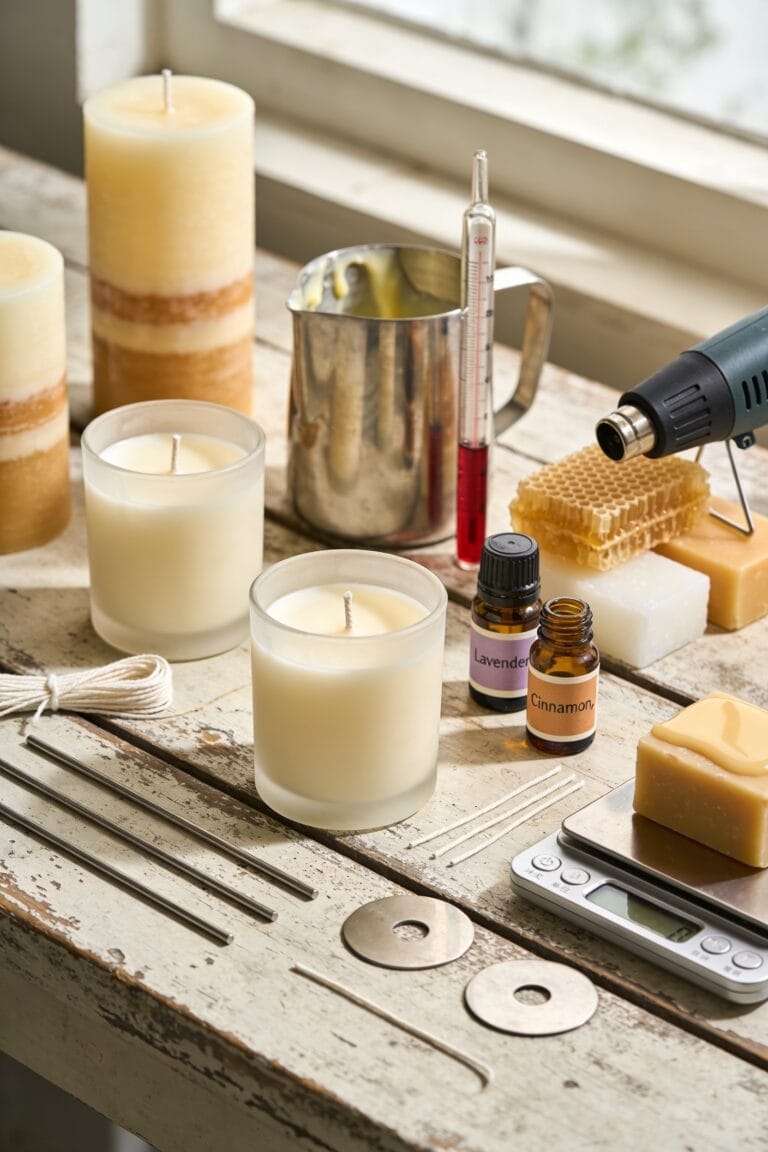
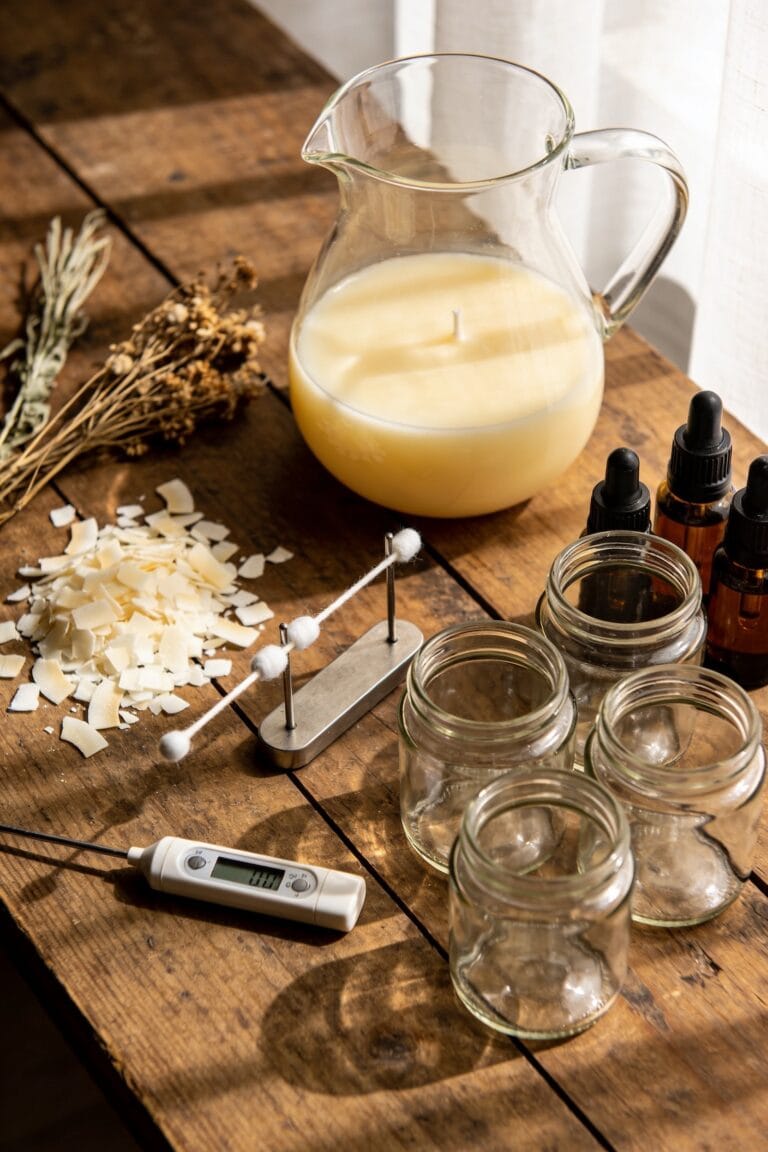
All right, here’s the thing—you can have the most beautiful spring candle in the world, but if you skimp on ingredients, you’re going to end up with something that either smells like nothing or burns like a melting hockey puck. Start with 16 oz soy wax flakes as your base; they’re clean-burning and hold fragrance well. You’ll need 1 tsp fragrance oil per 16 oz wax for proper scent infusion. Consider recycled wax if you’re experimenting, though fresh wax gives more consistent results. Use essential carriers or fragrance oils specifically formulated for candles—regular essential oils won’t cut it. Do scent testing before committing to full batches. Herbal infusions work beautifully for spring blends. Add quality wicks, dyes, and proper molds. These essentials make all the difference.
Pick Your Spring Candle Fragrances: Lavender, Jasmine, Peony & Beyond
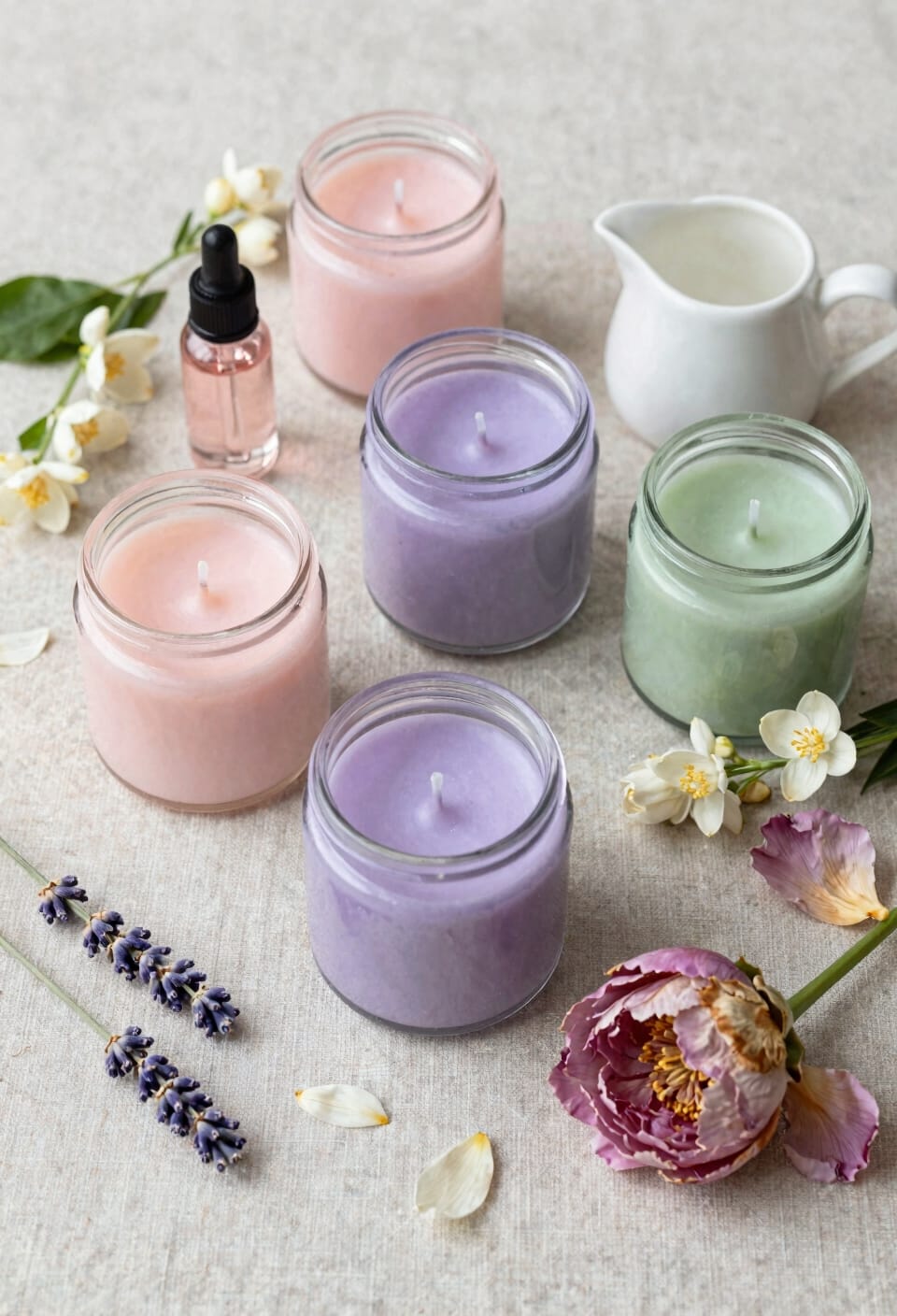
Now that you’ve got your wax and wicks sorted, it’s time to pick fragrances that’ll actually make people want to light your candles—and that’s where spring scents really shine. I’m talking lavender for that calming unwind vibe, jasmine for something sweet and exotic, peony for delicate romance, and lilac for pure nostalgic spring garden energy. Amber rose works too if you want timeless elegance. Here’s the thing: aroma layering—blending multiple scents together—transforms your candles from nice to memorable. Mix vanilla and lemon with your floral oils. Combine seasonal botanicals strategically; they’re your secret weapon. Use about 1 teaspoon fragrance oil per 16 ounces of soy wax. Test your blend before committing to a full batch. Trust me, a little experimentation now saves heartbreak later.
Recommended Products
![VINEVIDA [128oz] Garden Sweet Pea Fragrance Oil for Candle Making and Soap Making - Premium Candle Scents for Soy Candles](https://m.media-amazon.com/images/I/31Co4fa-RGL._SL500_.jpg)
HIGHEST QUALITY - Our candle fragrance MADE IN THE USA using pure, natural, and raw ingredients. All VINEVIDA products are vegan, free of phthalates, parabens, and other potentially dangerous chemicals.
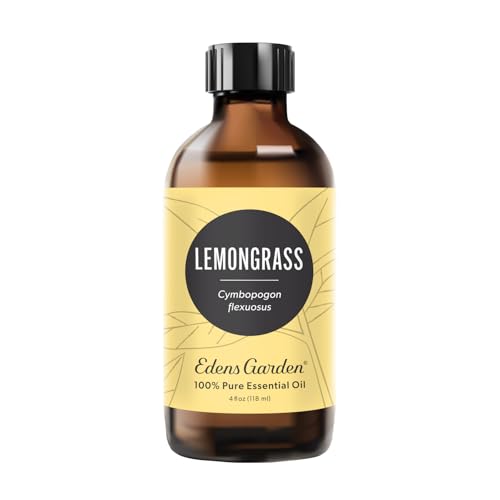
BRIGHT & CITRUSY- Lemongrass essential oil, crafted from the finest lemongrass leaves and stems. This revitalizing oil boasts a bright, citrusy scent with earthy undertones, known for its ability to offer relaxation, uplift the mood, and support overall well-being, making it a must-have for aromatherapy enthusiasts and relied on wellness enthusiasts alike.

Premium Quality - Handmade with 100% natural soy wax, pure cotton braided wicks, and a high-quality fragrance & essential oil blend. No paraffin wax or carcinogenic dyes!
Get the Perfect Spring Pastel: Easy Dye Mixing Tips
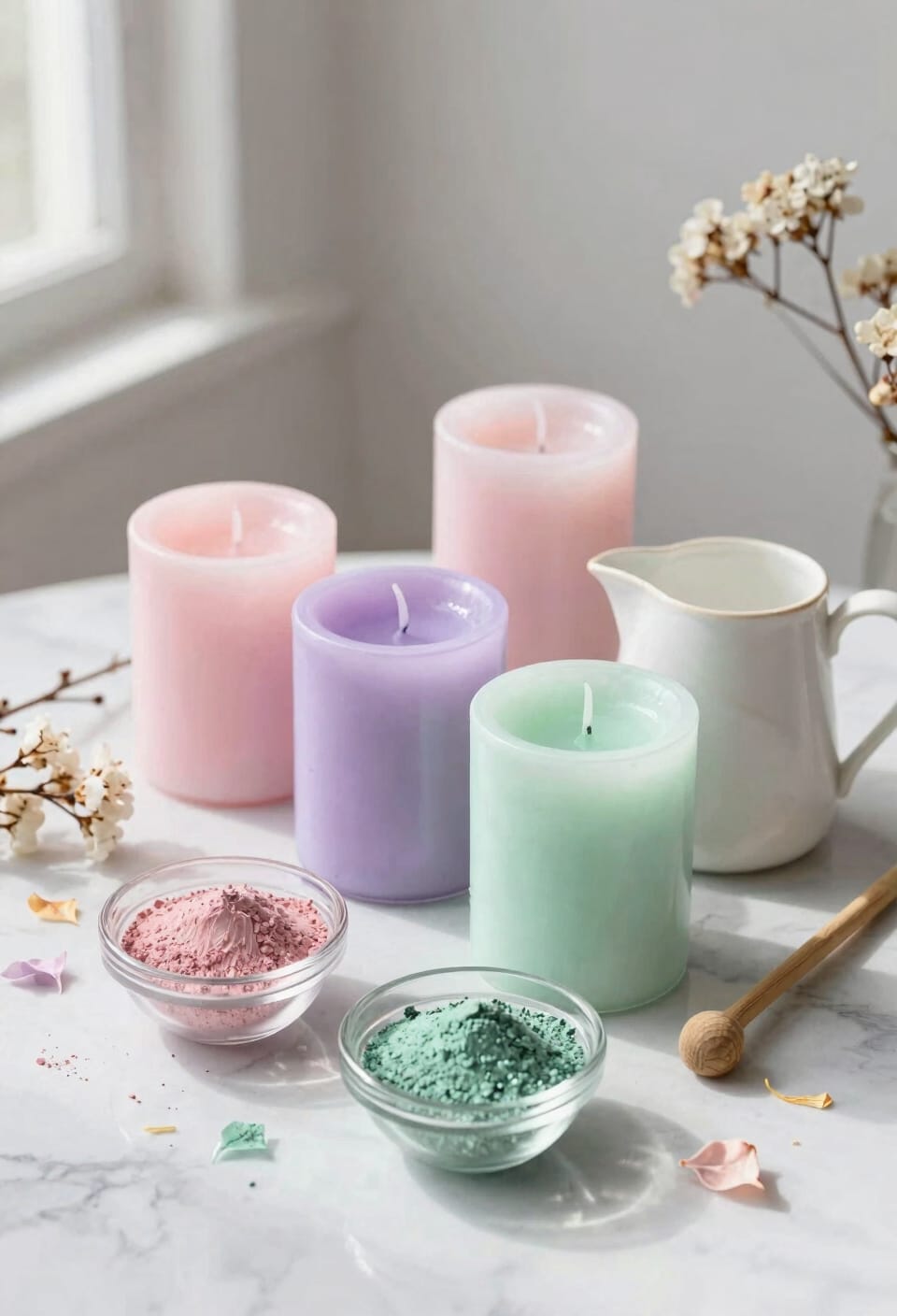
You’ve picked gorgeous spring fragrances and nailed your wax choice, but if your candles come out looking like a muddy swamp instead of a soft, dreamy pastel, all that hard work disappears the moment someone opens the box. Here’s the thing: color theory matters way more than you’d think.
Start with liquid dye or melting dye blocks stirred into hot wax for even mixing. The key is understanding dye ratios—less is genuinely more when building pastels. Pour a single drop onto a napkin to test your shade before committing the whole batch. Add incrementally if you need darker tones.
That soft, airy spring palette you’re after? It comes from restraint. Trust the process, test first, and your candles’ll look as good as they smell.
Create Floral Embeds for Spring Candles Using Silicone Molds
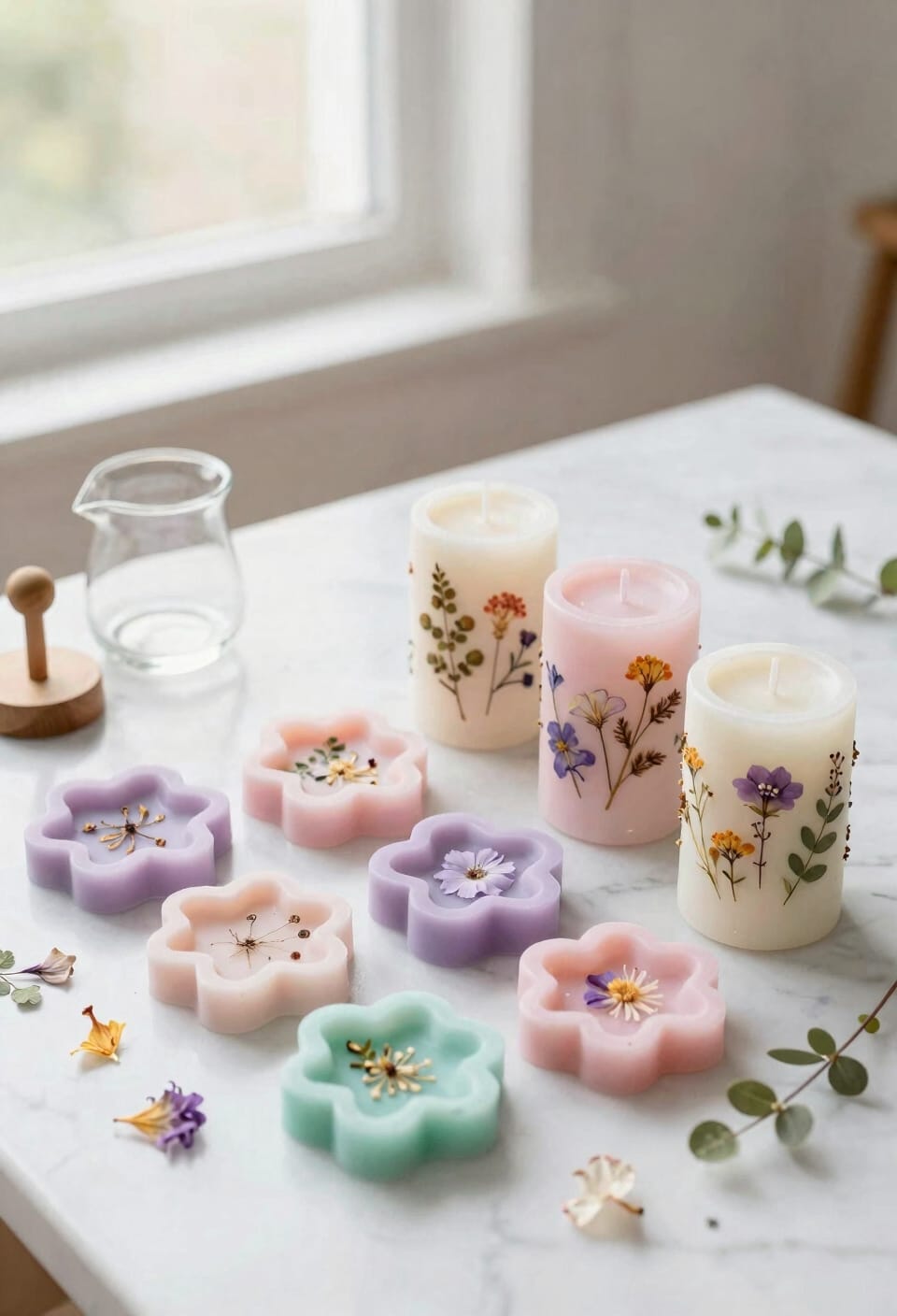
Once you’ve nailed your color, it’s time to bring actual dimension to your candles—and that’s where silicone molds come in. I’m talking tulips, leaves, peonies—whatever flowers match your spring vision.
Here’s the thing: tulip and leaf molds are your best friends for creating embeds, which are basically decorative wax shapes you’ll suspend in your finished candle. Pour colored soy wax into your molds, let them cool completely, then pop them out. Color layering—pouring different hues in stages—creates stunning depth if you’re feeling ambitious.
Now, mold maintenance matters. Wash with warm soapy water, dry thoroughly, and store flat to prevent warping. Once your embeds are ready, arrange them on your base wax surface, secure with a thin pour or heat gun, and you’ve got yourself a genuinely beautiful spring candle.
Recommended Products

COMPLETE SOAP MAKING KIT FOR ADULTS – Everything beginners need in one box: 900ml stainless steel soap melting pot, electric stove, 2-in-1 silicone soap mold, and clear & white melt-and-pour soap base. No extra tools or experience needed – unbox and make your first bars the same day.
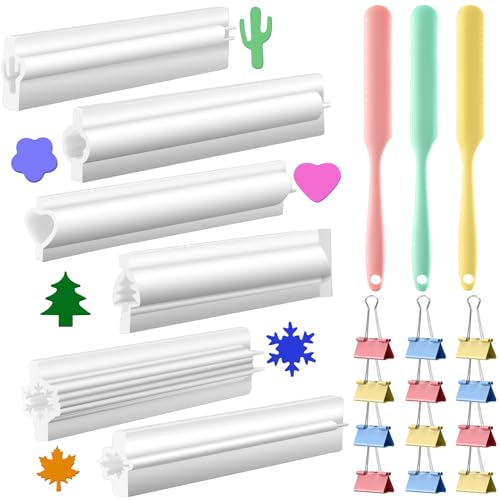
Complete 6-shape Soap Mold Set: this kit includes 6 long tube silicone molds in cactus, flower, heart, snowflake, maple leaf, Christmas tree shapes, not a single mold; The variety lets you make coordinated, themed soap embeds and switch designs without buying separate molds

Set of 4 & Details: 4 different peony molds made of high quality silicone for detailed 3D candles and soaps.
Make Floral Wax Melt Bouquets for Spring Gifting
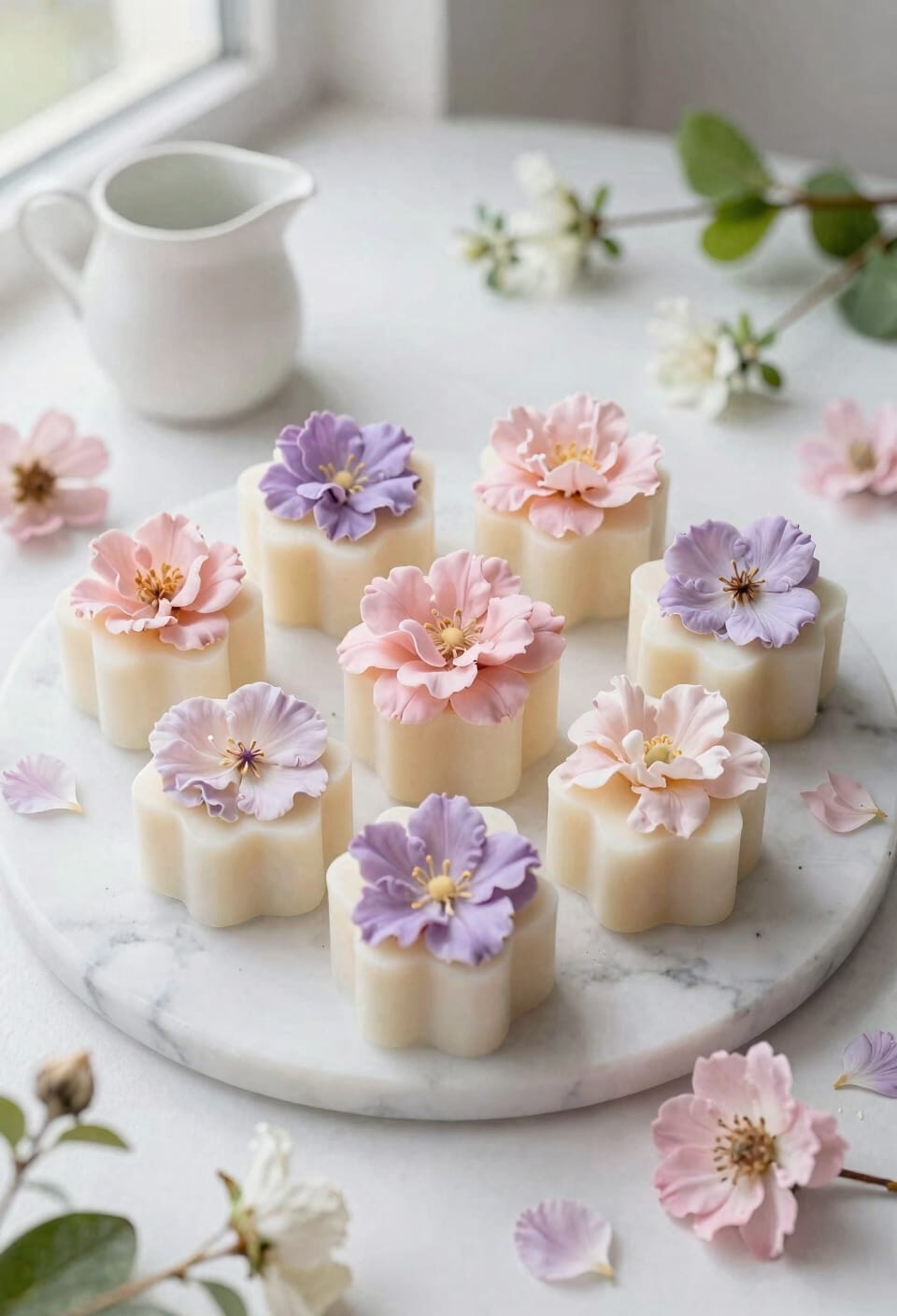
If you’re looking for a gift that feels personal without requiring serious technical skills, wax melt bouquets are genuinely your answer. Here’s the thing: you pour individual flower-shaped melts using silicone molds, let them cure completely, then skewer them together like a real bouquet.
I’d reach for lavender, jasmine, or peony for gifting occasions—scents that feel intentional rather than random. Pastel colors transform the whole presentation into something spring-ready and Instagram-worthy without extra effort.
Now, packaging inspiration matters here. Wrap your bouquet in kraft paper, tie it with twine, maybe tuck in some faux greenery. It’s stunning, smells incredible, and your recipient gets something they’ll actually use. No technical failures. No burned-out wicks to troubleshoot. Just pure gifting joy.
How to Pour Your First Spring Floral Candle (Step-by-Step)
Pouring your first spring floral candle feels intimidating until you realize it’s mostly just melting wax, stirring in fragrance oil (that’s the scent concentrate you add to hot wax to make it smell amazing), and not panicking when things look a little wonky. Start by choosing your wick selection carefully—too thin and your candle won’t burn properly, too thick and you’ll get excessive smoking. Next, consider jar sizing since it directly impacts how much wax you’ll need and how long your candle burns. Melt 16 oz of soy wax, add 1 tsp fragrance oil, stir gently, then pour slowly into your chosen jar. Secure the wick at center. Let it cure for 24 hours before testing. You’ve got this.
Why Candles Look Streaky, Smell Weak, or Burn Wrong: And How to Fix It
When your candles come out of the mold looking like they’ve got white streaks running through them, or they smell like basically nothing, or they’re burning in a way that makes you question your entire life choices, it’s usually not because you picked the wrong jar—it’s because something went sideways during the pour, the cure, or the fragrance infusion itself. Those streaks? Likely caused by temperature fluctuations during cooling. Weak scent often means your fragrance load—the percentage of fragrance oil mixed into your wax—was too low. Wick tunneling, where the candle burns straight down the middle leaving wax walls untouched, happens when your wick’s too thin or your wax cooled too fast. And fragrance blooming, that dusty coating on your candle’s surface, means moisture got trapped during cure. Test your next batch slower. You’ve got this.
Scent Combinations That Actually Work (And Why They Do)
Now that you’ve got the technical stuff down—temperature control, fragrance load (that’s the percentage of fragrance oil you mix into your wax, usually somewhere between 6-10% depending on what you’re making), cure times—it’s time to talk about the fun part: actually making your candles smell *good*.
Here’s the thing: layered accords work because they create depth. I’m talking about pairing lavender with amber rose, or mixing jasmine with peony. Each scent hits different—one’s your top note, another’s your base, creating contrast balancing that keeps things interesting instead of one-dimensional.
Start by blending complementary fragrances. Vanilla and lemon with floral oils? That actually works. The citrus brightens everything, prevents your candle from smelling too heavy. Test small batches first. You’ll figure out what sings together versus what just smells confused.
Style Your Spring Candles: Pairing Ideas With Fresh Flowers
Why settle for a candle that smells amazing but sits alone on your nightstand? Your spring candles deserve to be showcased. I’ve found that pairing handmade floral candles with fresh flowers transforms ordinary spaces into garden tablescapes that actually feel intentional, not scattered.
On your mantle arrangements, surround pillar candles with daffodils or cherry blossoms. The fresh blooms echo your candle’s fragrance notes—say, pairing a peony candle with real peonies creates this satisfying sensory alignment. At dinner tables, cluster tealights among tulips for ambient warmth without overwhelming the room.
Here’s what I’ve learned: the key isn’t matching everything perfectly. Mix in some greenery, vary heights, and let negative space breathe. Your candles become focal points rather than afterthoughts, and honestly, the whole setup makes guests think you’ve got your life together.
Safety First: Wick Trimming, Burn Testing & Smart Placement
Your candles might look gorgeous on a shelf or paired with fresh flowers, but here’s where a lot of makers get complacent: the actual burning part. Look, wick maintenance isn’t optional—it’s the difference between a safe, steady flame and a sooty mess. Trim that wick to ¼ inch before each burn. I’ve learned this the hard way.
Now, burn testing’s vital. Light your candle, let it settle, then watch it closely. You’re checking for even melting, flame behavior, and whether your fragrance oils (the scent carriers mixed into wax) are dispersing properly without issues.
Here’s the thing about placement strategy: put candles where air circulates naturally—tables, entryways—so fragrance reaches you. Keep them away from drafts and flammable materials. Your careful craftsmanship deserves a careful home.
Recommended Products
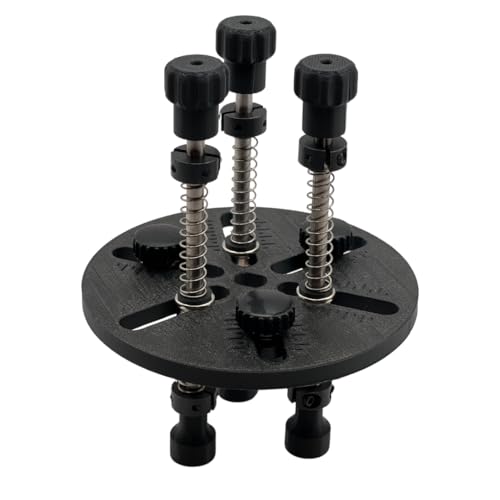
✔ ADJUSTABLE FOR ANY CANDLE JAR – Expandable arms fit jar openings from 2-1/2″ to 4-5/8″ wide, making it perfect for single, double, or triple wick candles in nearly any container.

Easy to Trim and Replace: Airy Abode Replacement Torch Wicks work great with almost any canister including outdoor torches, table top lanterns and lamps, mason jars, wine bottles, whiskey bottles, and bourbon bottles

EXTEND THE LIFE OF YOUR CANDLE: Wick trimmers are a must-have precision tool to properly care for your candle. Our stainless steel wick trimmers use a patented design that allows you to trim your wick and catch the debris with one snip.
Frequently Asked Questions
Can I Use Paraffin Wax Instead of Soy Wax for Spring Candles?
Yes, you can use paraffin wax, though I’d recommend soy wax for better scent throw and cleaner burning. If you prefer paraffin alternatives, consider blending in wax additives to improve fragrance retention and performance with your floral designs.
How Long Do Homemade Spring Candles Typically Last Before Losing Fragrance?
I’ve found homemade spring candles typically last 25-40 hours of burn time before experiencing noticeable scent throw loss. Fragrance longevity depends on wax quality and oil concentration. With proper wax aging, you’ll maintain peak performance throughout the candle’s life.
What’s the Best Container Type for Spring Floral Candle Designs?
I’d recommend glass jars and ceramic vessels as your container goldmine for spring floral designs. They’re heat-resistant, display your pastel colors beautifully, and let fragrance disperse evenly throughout any room you’ll treasure.
Can I Mix Fragrance Oils From Different Brands in One Candle?
You can mix fragrance oils from different brands, but I’d recommend compatibility testing first. Start with scent layering techniques—combining smaller amounts to guarantee they blend harmoniously without separating or creating unpleasant reactions.
How Do I Store Finished Spring Candles to Maintain Scent Quality?
I’d recommend storing your finished spring candles in airtight containers away from direct sunlight and heat. Keep them in cool storage areas to preserve their fragrance potency and prevent discoloration over time.
Conclusion
You’re ready. Did you know that 73% of candle lovers choose handmade over store-bought? You’ve just learned why—you control everything, from scent strength to burn quality. I’ve made plenty of duds, but I’ve made beautiful ones too. You will too. Start simple, test ruthlessly, and trust the process. Your spring candles are going to be stunning.