As an Amazon Associate, we earn from qualifying purchases. Some links on this site are affiliate links at no extra cost to you. Our recommendations are based on thorough research and editorial judgment.

How to Price Homemade Candles: Formula, Examples & Common Mistakes

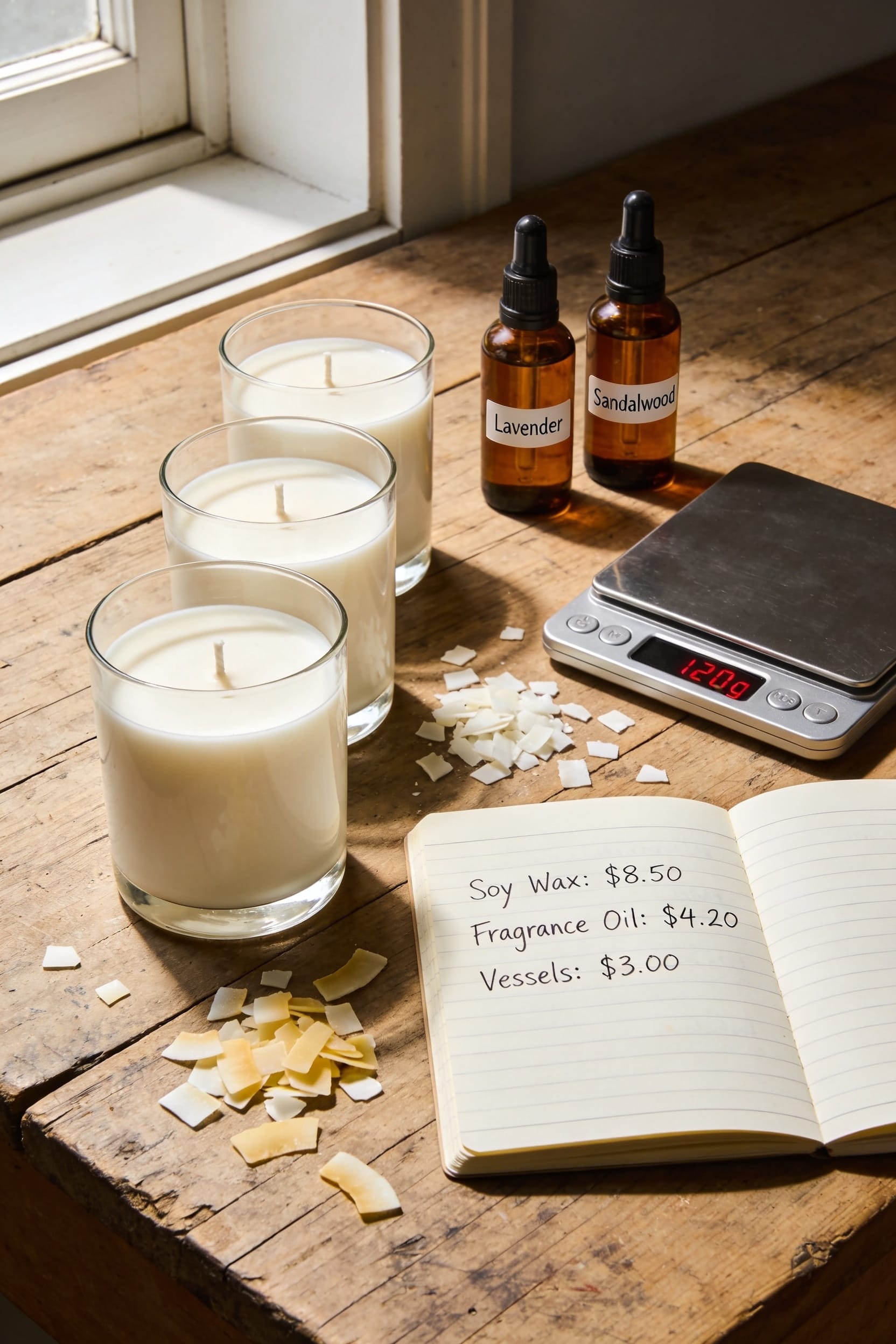
Look, here’s the thing: most candle makers price by gut feeling and then wonder why they’re broke. You’ve got to tally every single ingredient—wax, wick, fragrance oil, dye, packaging—weigh it, then calculate your true per-candle material cost. Add your monthly overhead divided by realistic sales volume. Now align that floor price to your market: mass-market runs $8–$15, mid-market $16–$34, premium $35+. Stop undercutting competitors without margins; that’s how you fail quietly.
Key Takeaways
- Calculate exact material costs by weighing all ingredients and dividing total purchase price (including shipping) by actual pounds received.
- Add raw material baseline plus allocated overhead per candle to determine true break-even pricing floor before applying profit margins.
- Position pricing strategically: mass-market $8–$15, mid-market $16–$34, premium $35+, based on quality and storytelling rather than undercutting.
- Avoid common mistakes: ignoring shipping costs, undercutting without overhead consideration, applying discounts before establishing baseline, or pricing inconsistently across batches.
- Adjust prices when ingredient costs fluctuate to maintain profit margins; higher production volumes lower per-candle overhead allocation and enable competitive pricing.
Calculate Your True Material Costs Per Candle
Before you can charge a fair price for your candles, you’ve got to know exactly what they cost you to make—and I mean *exactly*, down to the fragrance oil dripped into each pour.
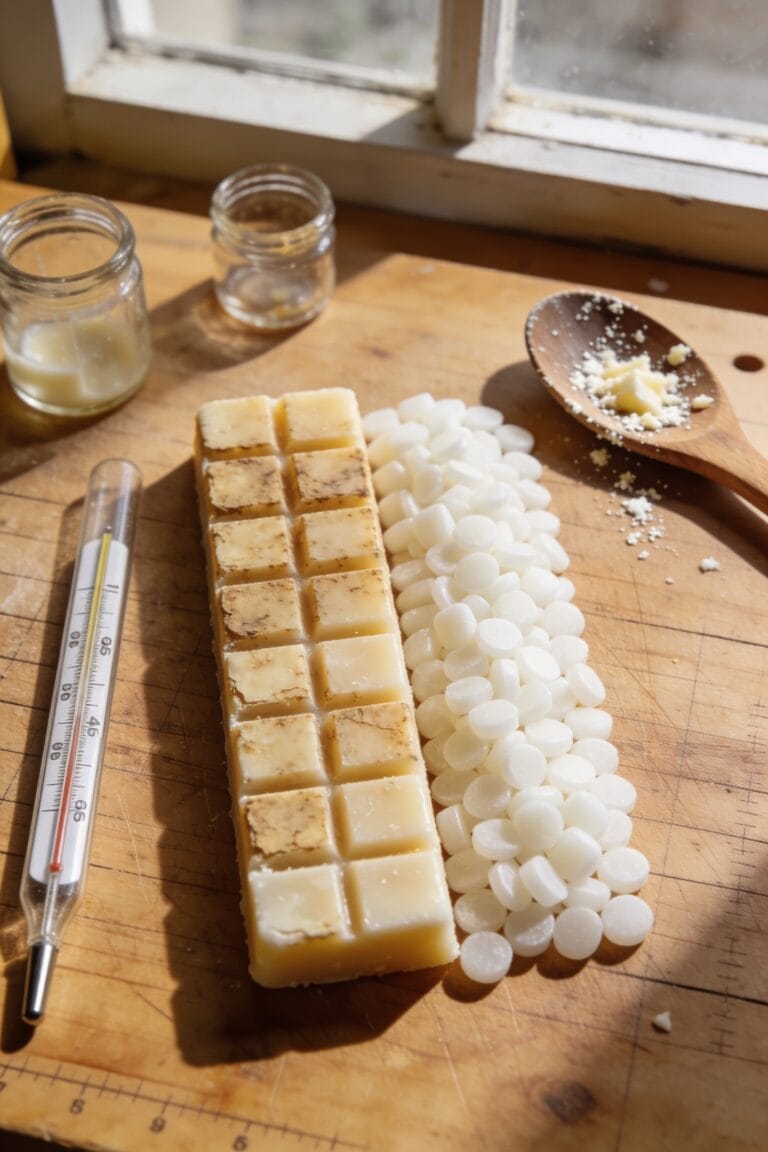
Start by tallying every ingredient: wax, wick, fragrance oils, dyes, and packaging weight. Don’t guess. Weigh everything. For wax, calculate the true per-pound cost by dividing your total purchase price (including shipping) by actual pounds received—that shipping gets you every time if you ignore it.
Break down wick costs per candle by dividing package price by wick count. For fragrance, multiply your scent concentration percentage by bottle cost divided by ounces. Jar and label costs? Divide packaging totals by units produced.
Add these up. That’s your raw material baseline—the floor beneath any price you charge.
Recommended Products


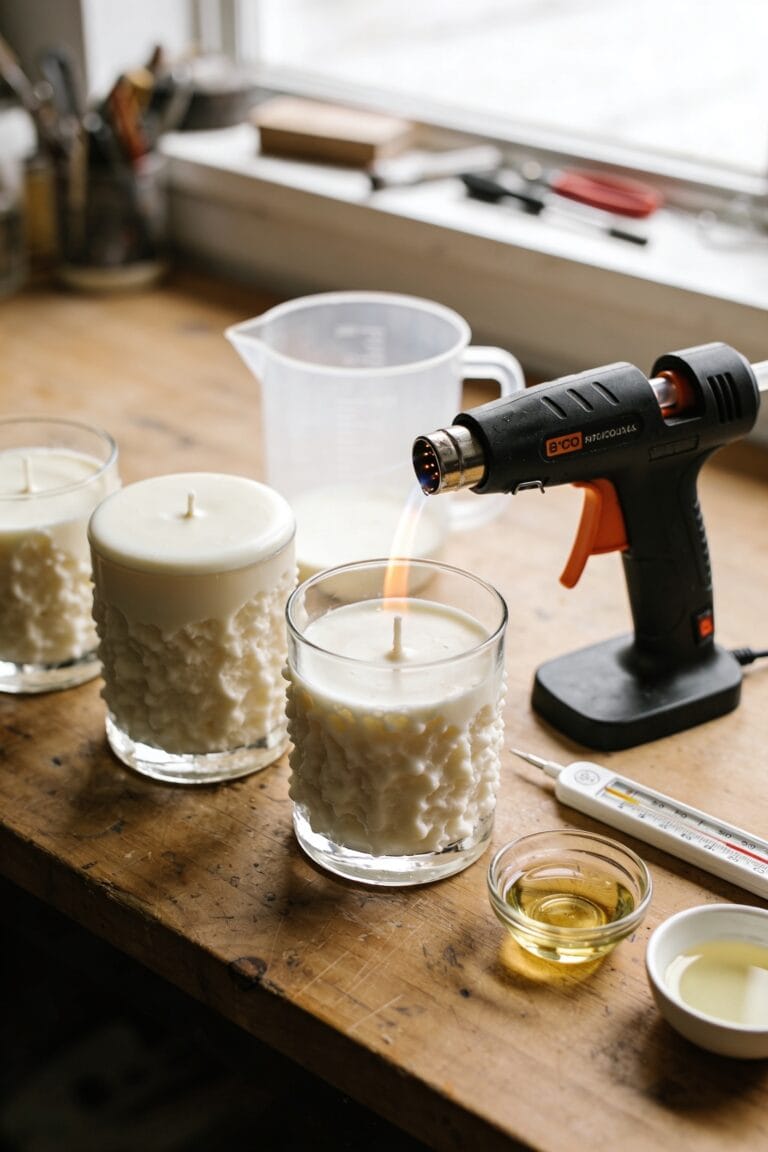
Complete Candle-Making Toolkit at Your Fingertips:From precision tools like the digital scale to pro tools like the wick trimmer and heat gun, this all-in-one kit covers every step of the process. Whether you’re fixing imperfections, trimming wicks for a clean burn, or measuring out the perfect fragrance ratio, this kit simplifies even the most detailed aspects of candle making.

BATTERIES IN BULK: Includes AAA super alkaline bulk batteries with 1.5 Volts of long lasting power
Price by Market Position: Mass, Mid, and Premium
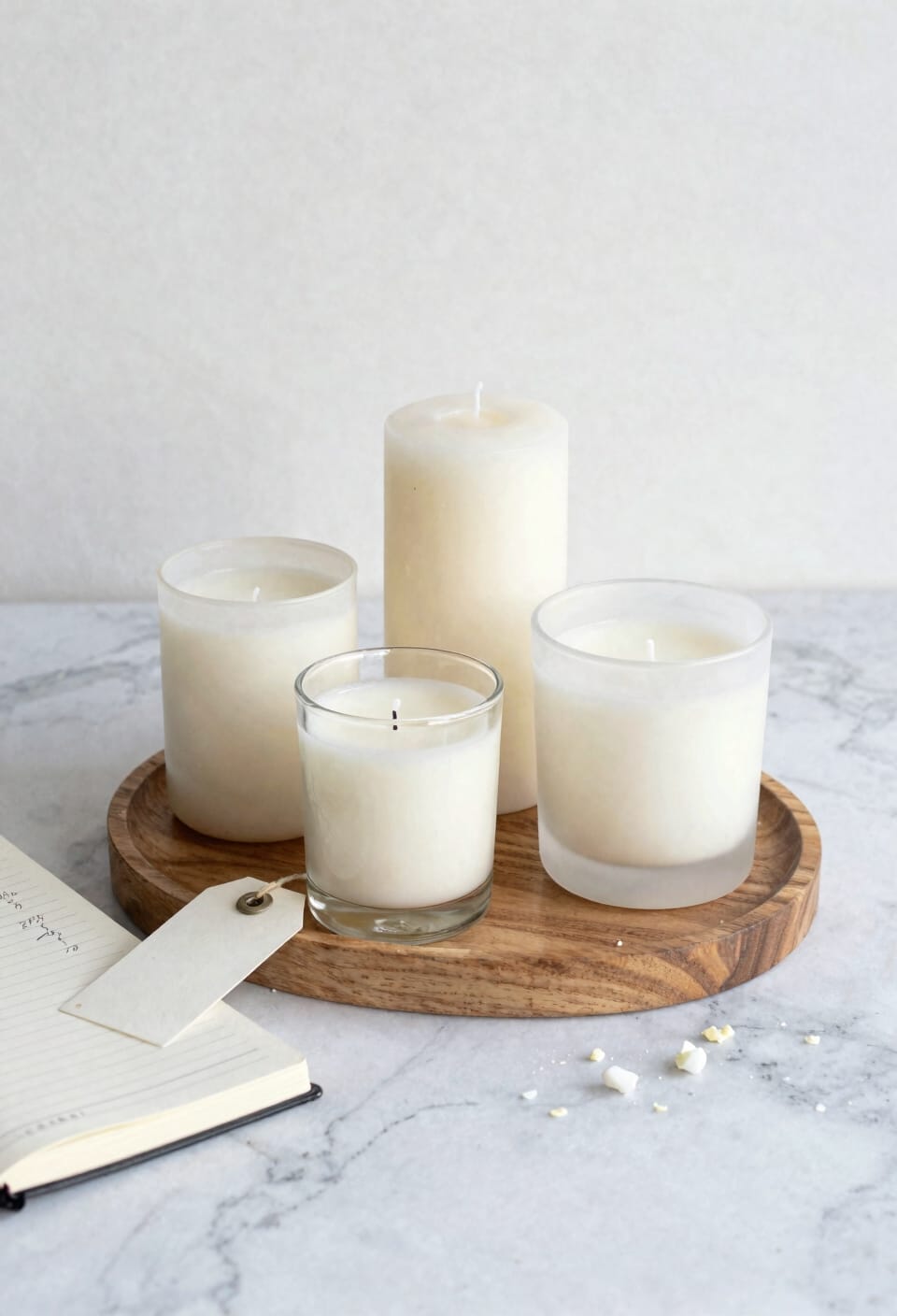
Now that you know what your candles actually cost to produce, it’s time to figure out where they belong in the market—and that decision shapes everything about your pricing strategy. Mass-market candles run $8–$15 for 7oz, competing on volume and accessibility. Mid-market positions you at $16–$34, where you’ve got room for brand storytelling and quality ingredients that justify the price. Premium lands above $35, emphasizing luxury components and positioning. Don’t undercut on price alone; it erodes profits fast. Instead, align your positioning with your actual costs and target audience. Use seasonal promotions strategically within your tier—a 15% holiday discount still protects margins better than permanent low pricing. Your market position determines whether you’re competing on value, quality, or prestige.
Recommended Products
![VINEVIDA [128oz] Cashmere Glow Fragrance Oil for Candle Making and Soap Making - Premium Candle Scents for Soy Candles](https://m.media-amazon.com/images/I/31iBfoEkmbL._SL500_.jpg)
HIGHEST QUALITY - Our candle fragrance MADE IN THE USA using pure, natural, and raw ingredients. All VINEVIDA products are vegan, free of phthalates, parabens, and other potentially dangerous chemicals.

SIGNATURE FRAGRANCE – MAYFAIR: Bergamot, lime, jasmine, tuberose, sandalwood & cedar create a soothing floral-wood scent, uplifting fragrance that quickly fills large spaces. Noticeable yet never overpowering for daily ambiance
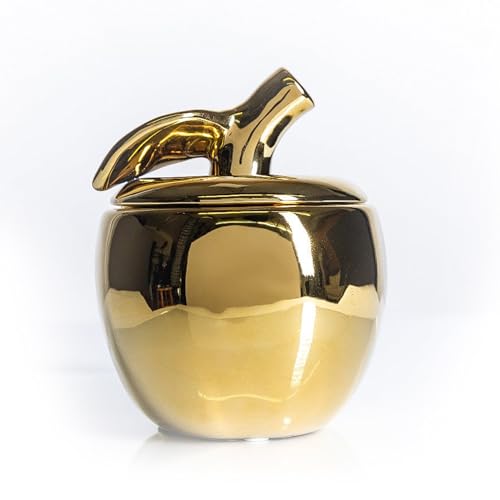
Unique Apple-Shaped Luxury Candle This fall candle stands out with its hand-crafted apple-shaped ceramic jar, combining artistic elegance with home décor beauty. At 40oz, this large candle offers a striking centerpiece for living rooms, dining tables, or entryways. Perfect as autumn candles or a special candle gift, it creates ambiance and doubles as decorative art.
Factor in Fixed Overhead to Hit Break-Even Pricing
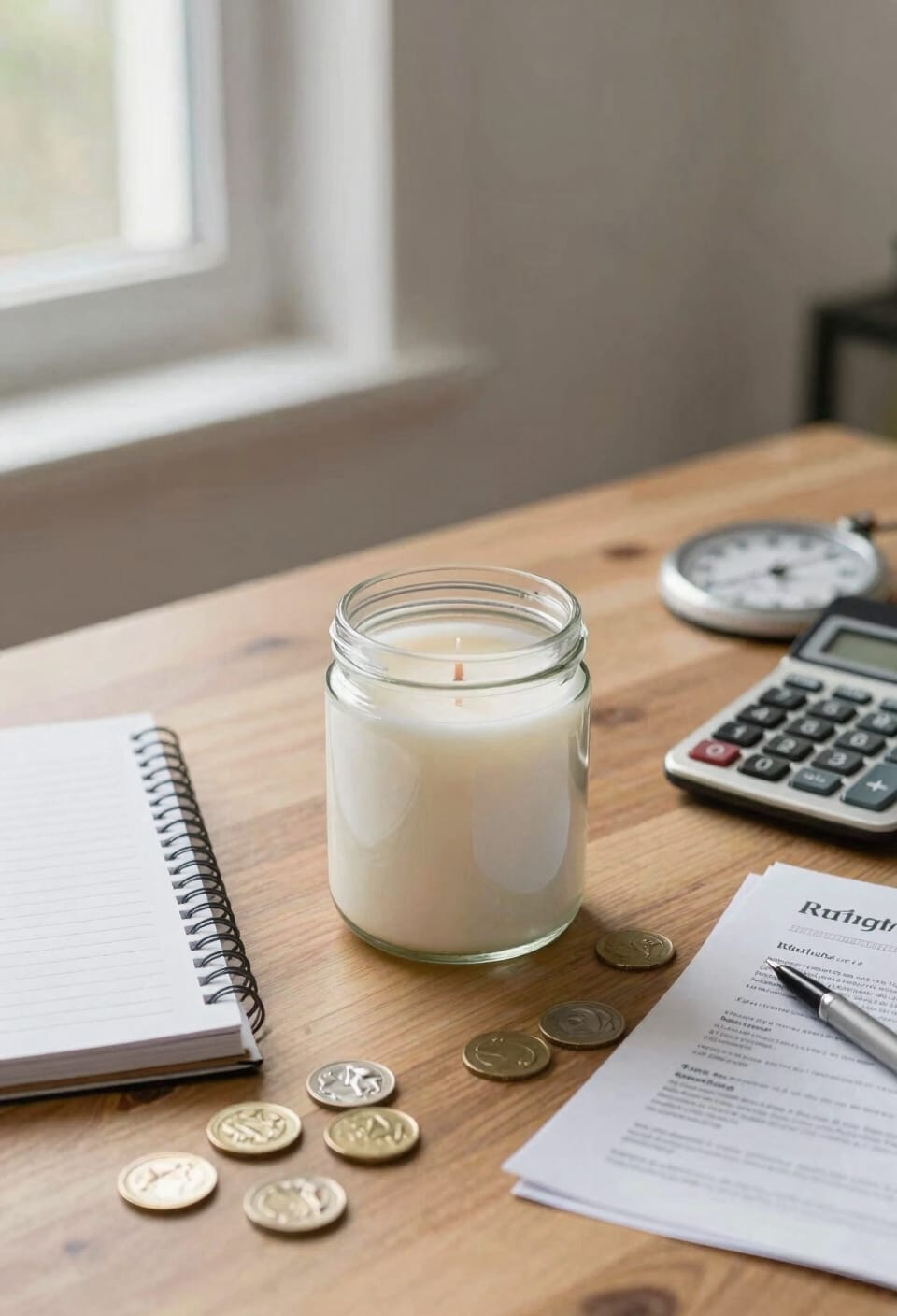
You’ve nailed your material costs—wax, wick, fragrance, jar, all of it—but here’s where a lot of makers stumble: they forget that actually running a candle business costs money beyond what goes into each individual candle.
Your monthly overhead—utilities, packaging, labels, shipping supplies—needs to be built into your price. I calculate this through overhead allocation: divide your total monthly overhead by how many candles you’ll realistically sell. If you’re spending $553 monthly and selling 60 candles, that’s $9.21 per candle just to break even on operations.
Capacity planning matters here. If you’re making 100 candles monthly, that $553 spreads thinner. Your break-even shifts. Don’t price blindly—know your actual production volume, then add that allocated overhead to your material costs. That’s your true floor.
Recommended Products

BLANK 4" x 2" MAILING LABELS - printable 10-up rectangle labels - roaded corners for easy peeling - customizable - for inkjet & laser printers
Blank 2.5 inch Round Labels - printable medium white circle labels, 12 labels per sheet, 60,000 blank labels total - compatible with inkjet and laser printers

BLANK 2.5 INCH WHITE GLOSS ROUND LABELS - printable large white circles, 12 labels per sheet - compatible with inkjet printers only
Pricing by Market and Candle Size
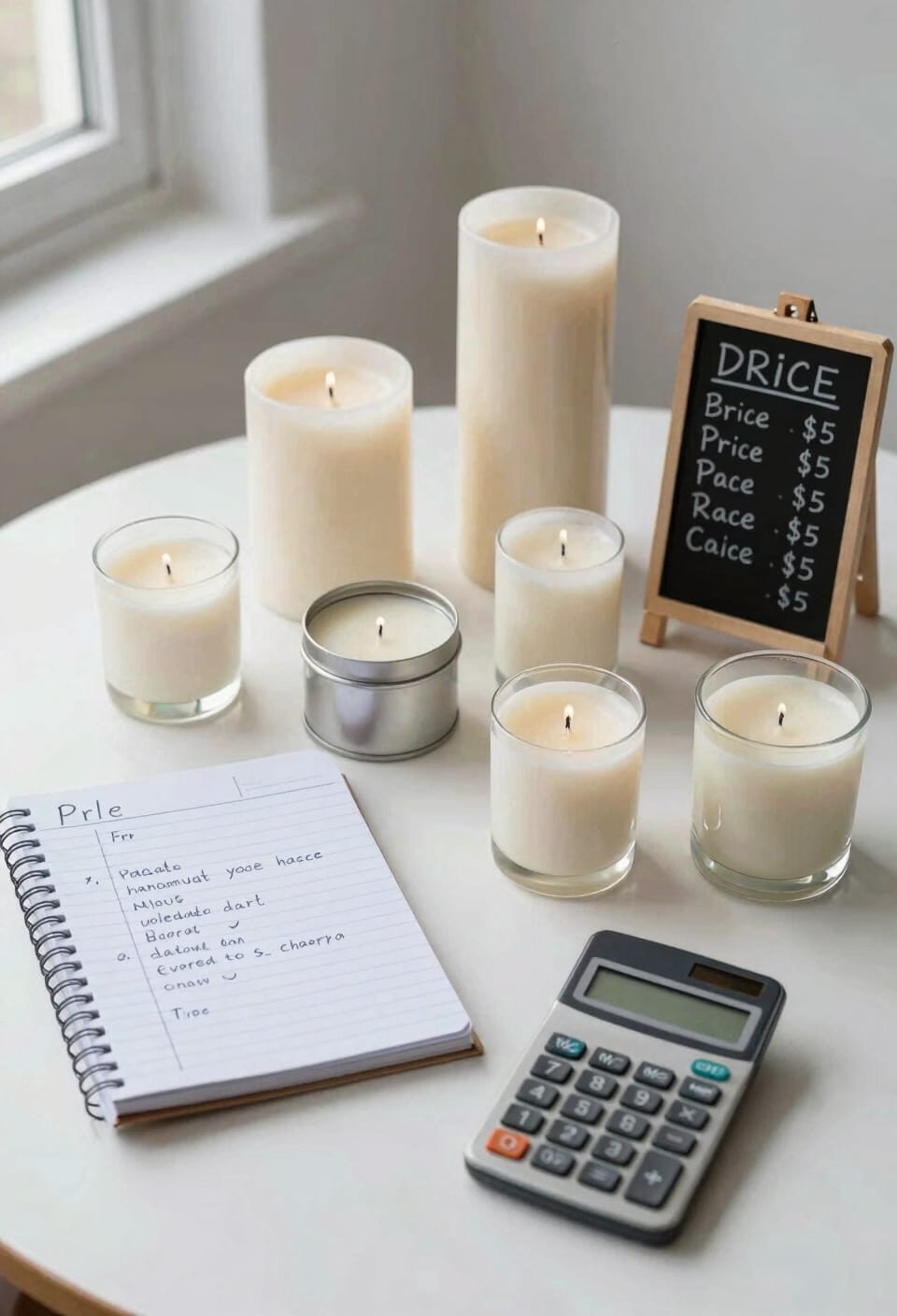
Once you’ve locked in your true cost per candle—materials plus that allocated overhead—the market you’re selling to becomes your pricing north star. Mass market buyers want 7oz candles at $8–$15, so you’re competing on volume and accessibility. Mid-market customers expect $16–$34, where scent intensity and seasonal packaging start justifying premium prices. High-end buyers? They’ll pay $35-plus for luxury components and storytelling.
Your candle size matters too. Smaller 4oz vessels hit different price points than 8oz jars. Don’t force a mid-market price on a mass-market candle—you’ll undersell and frustrate yourself. Conversely, don’t underprice a high-end product just because you’re nervous. Your market positioning drives everything. Pick one, commit, and price accordingly.
Recommended Products

Dimensions of 1 glass mason jar: 5 1/4" (H) x 3" (W)

REVITALIZING CITRUS HARMONY- Immerse yourself in the invigorating and refreshing aroma of our Immunity Essential Oil Blend. This unique blend combines the citrusy sweetness of Sweet Orange and Lemon, with the earthy undertones of Eucalyptus, Moroccan Rosemary, Tea Tree, and Frankincense. Each oil has been carefully selected to create a harmonious blend that is not only pleasing to the senses but also offers overall wellness. The scent of our Immunity blend is a delightful symphony of aromas that can enhance any space, making it an essential part of your aroma diffuser collection.

REFRESHING & CITRUSY- Citronella essential oil, extracted from the leaves and stems of the citronella grass, boasts a refreshing and citrusy scent that is both invigorating and effective. Add a zesty aroma to your DIY candles and personal care products, citronella essential oil is your aromatic companion.
Pricing Mistakes Revealed in Real Examples
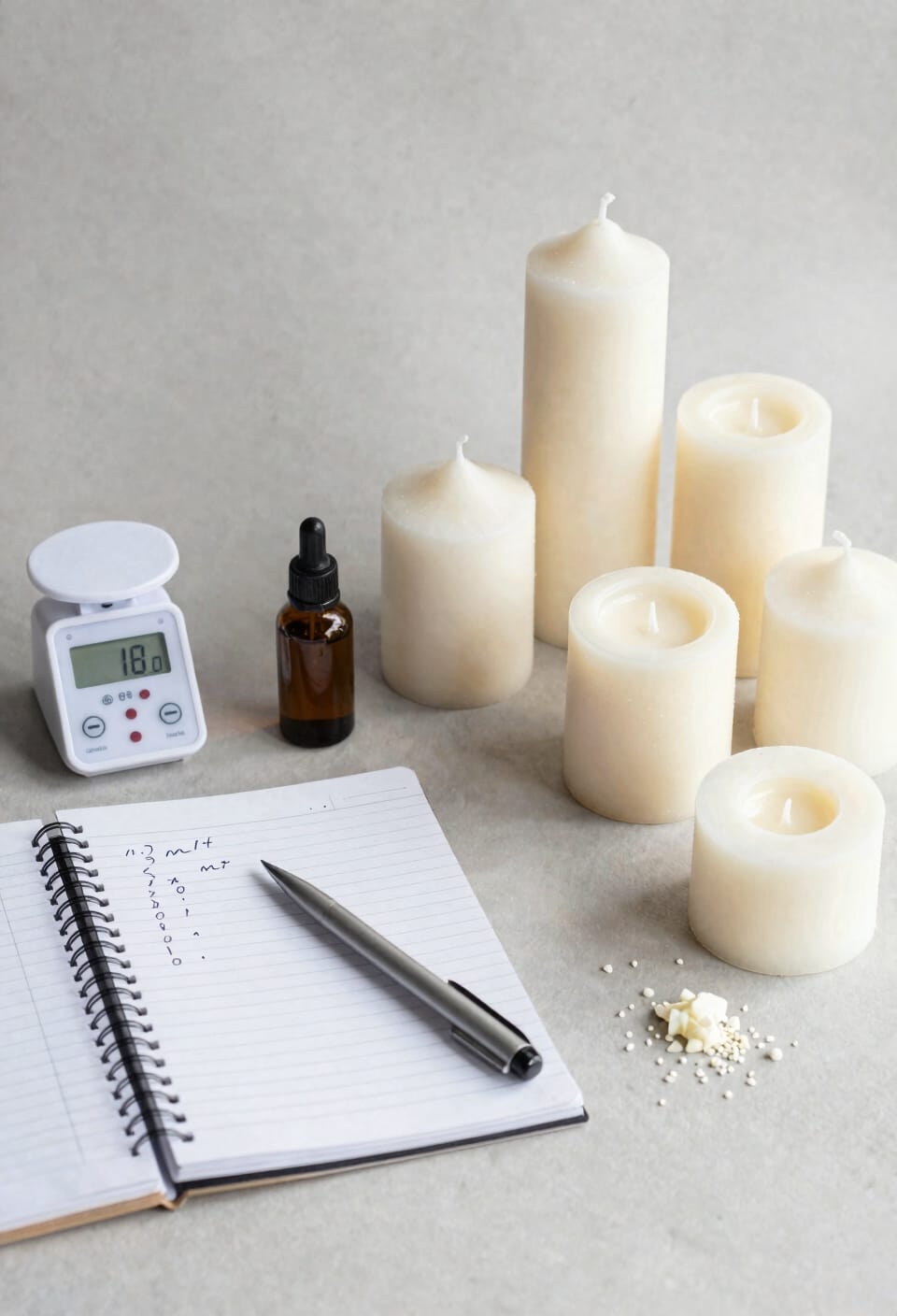
Because pricing feels like it should be simple—slap a number on it and move forward—most candle makers don’t realize they’re bleeding profit until it’s too late. I’ve watched makers ignore shipping costs in their material calculations, suddenly discovering their per-pound wax expense was way higher than expected. Then there’s pricing psychology: you undercut competitors without factoring overhead, thinking volume compensates. It doesn’t. I’ve also seen makers tank margins with seasonal discounts before establishing baseline pricing. You can’t discount what you haven’t properly valued. The real mistake? Pricing one candle the same regardless of batch size or cost fluctuations. Lock in numbers without adjusting, and you’ll watch your margins evaporate faster than fragrance oil at pouring temperature.
Recommended Products
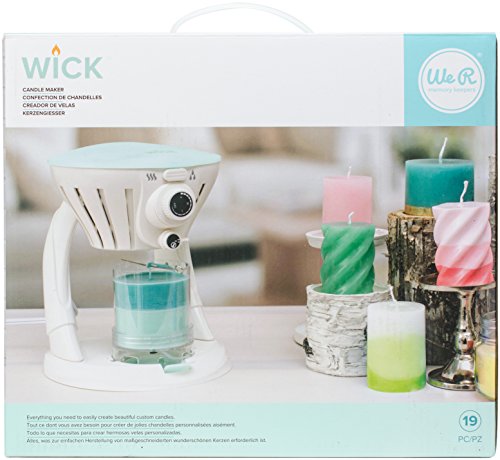
COMES WITH EVERYTHING YOU NEED: This kit includes 3 lbs of Paraffin Wax, 72 inches of cotton wick, 3 candle rubber stoppers, pigment (red, yellow, blue, white), 3 candle molds with base, and a color mixing chart
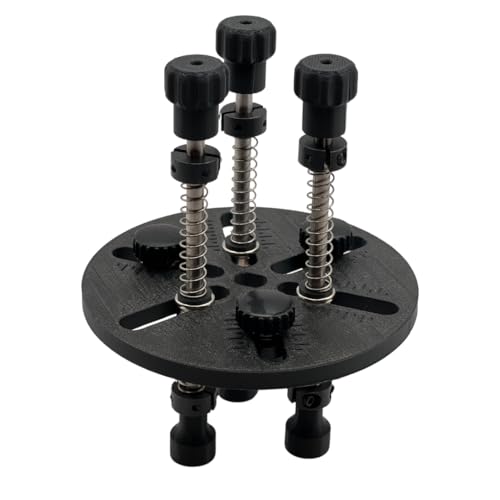
✔ ADJUSTABLE FOR ANY CANDLE JAR – Expandable arms fit jar openings from 2-1/2″ to 4-5/8″ wide, making it perfect for single, double, or triple wick candles in nearly any container.

Black 5 in 1 Candle Accessory Set: all-inclusive candle care kit. This exquisite collection includes a stylish candle snuffer, precision wick trimmer, wick cutter, elegant dipper, candle lighter and a chic tray.
Frequently Asked Questions
How Do I Adjust Pricing When My Material Costs Fluctuate Seasonally or With Supplier Changes?
I recalculate my per-candle costs monthly, adjusting retail prices accordingly. I build seasonal surcharges into pricing during high-cost periods and maintain supplier cushions—extra margin—to absorb fluctuations without constantly repricing.
Should I Price Differently for Custom Orders Versus Standard Candle Collections?
Yes, I’d charge custom premiums for personalization tiers. Your standard collection covers baseline overhead, so custom orders warrant 15-25% markup additions for design time, setup costs, and production adjustments. You’re providing specialized service.
How Often Should I Review and Update My Candle Pricing Strategy?
Studies show 60% of small businesses don’t adjust pricing annually. I’d recommend a full annual review and seasonal check-ins quarterly to account for fluctuating wax costs, overhead changes, and market demand shifts that impact your margins.
What Pricing Strategy Works Best When Selling Through Multiple Channels Simultaneously?
I’d recommend using channel-specific discounts for wholesalers while maintaining retail pricing directly. Bundle pricing helps you move inventory across platforms—offer discounts on multi-candle purchases to boost your average order value everywhere.
How Do I Price Candles Competitively Without Knowing Exact Competitor Costs?
I’d research your target market’s price ranges—mass, mid, or high-end—then align your market positioning and value messaging with those tiers. Your costs determine your floor; competitor pricing shows your ceiling.
Conclusion
I know pricing feels like maneuvering a maze blindfolded, but here’s the truth: nail your costs, know your market position, and anchor everything to break-even. You’re not just selling candles—you’re selling the hours you’ve spent perfecting your craft. Price accordingly. Get this right, and you’ve built something sustainable. Get it wrong, and you’re just lighting money on fire.