As an Amazon Associate, we earn from qualifying purchases. Some links on this site are affiliate links at no extra cost to you. Our recommendations are based on thorough research and editorial judgment.

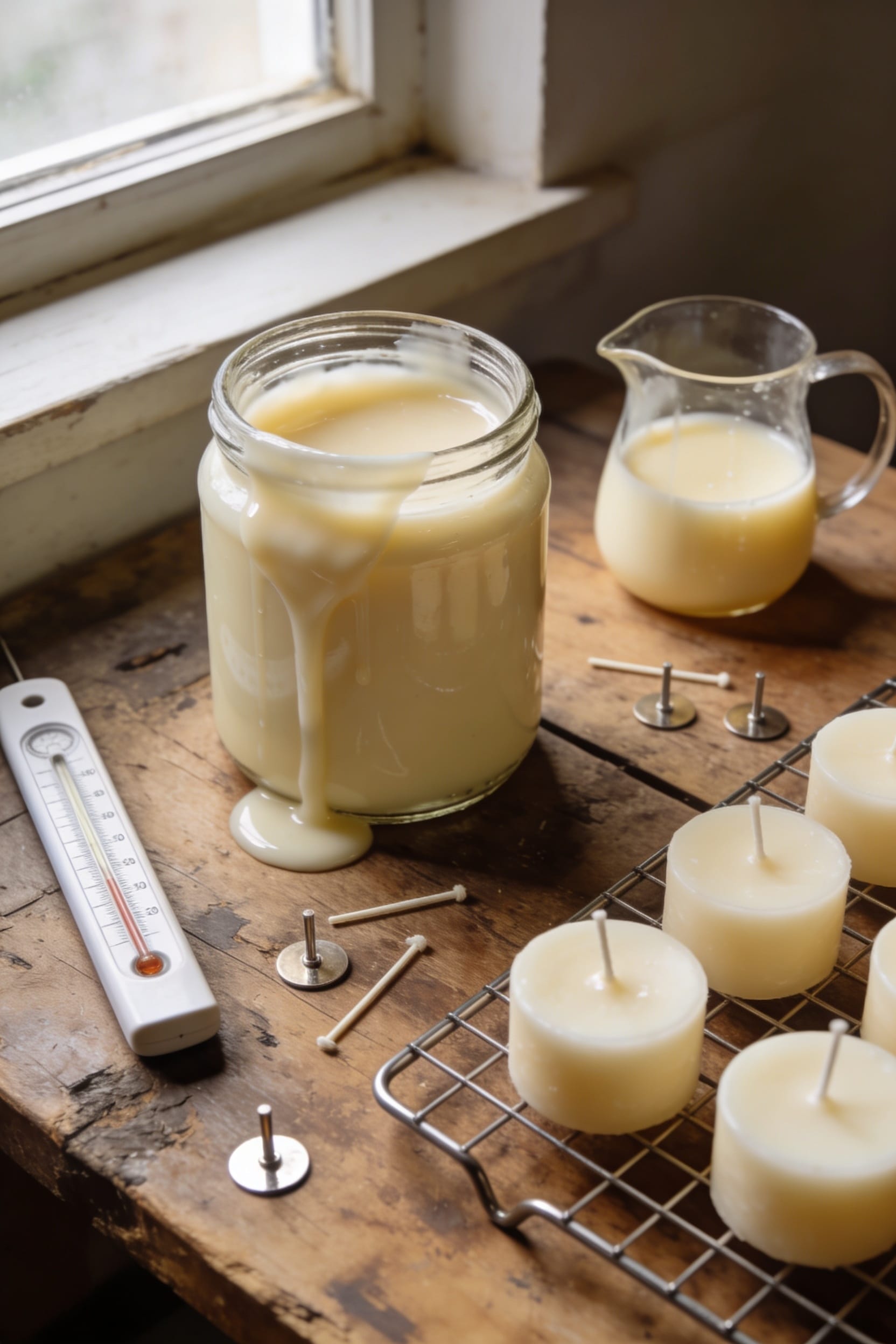
Candle Not Hardening? Likely Causes and How to Fix Soft Wax

All right, soft wax usually comes down to one of three things: you’re using too much fragrance oil (aim for under 10%), your pouring temperature was too hot and caused uneven cooling, or your wick’s the wrong size and isn’t burning hot enough to set the wax properly. Quick fix? Move your candles to a cool, stable spot and give them time. Next batch, dial in your pour temp around 170–185°F, cut back on fragrance, and pick the right wick—and you’ll see exactly what transforms a gummy mess into a firm, burnable candle.
Key Takeaways
- Excessive fragrance oil (over 10%) softens wax; reduce fragrance load by 1–2% for firmer candles.
- Pouring too hot causes shrinkage and soft spots; maintain ideal temperatures of 170–185°F for your wax type.
- Incorrect wick size prevents even melt pools; ensure first burn creates full melt pool in four hours.
- Uneven cooling creates tacky wax; move candles to cool, stable environments away from drafts and sunlight.
- Additive interactions weaken wax matrix; limit dye to 2% and avoid combining heavy fragrance with extra dyes.
Fragrance and Additives: The Most Common Culprit
When your candle wax won’t harden and you’ve ruled out the obvious suspects—pouring temperature, cooling time, that sort of thing—I’d bet money the culprit sitting right in front of you is fragrance oil. Here’s the thing: fragrance overload softens wax. I’m talking about loading more than 10% fragrance oil into your pour, which sounds reasonable until your candle stays tacky for days.
The problem compounds with additive interactions. When you layer fragrance oil plus dyes plus hardeners together, they don’t always play nicely. That extra 2% dye combined with a heavy fragrance load? It weakens the wax matrix itself. Try reducing your fragrance percentage by 1-2% and watch what happens. Your candle’ll harden properly, burn cleaner, and actually perform better.
Recommended Products
![VINEVIDA [128 Oz] Scent No.3715; Fragrance Oil for Candle Making and Soap Making - Premium Candle Scents for Soy Candles](https://m.media-amazon.com/images/I/31L5k3TD43L._SL500_.jpg)
Versatile Uses: Perfect fragrance oil for candle making; ideal for soy wax, soap making, perfume making, body butter, car freshies; create professional quality scented products with these concentrated essential oil alternatives

PARAFFIN WAX REFILL 36 POUNDS that is perfect for all paraffin baths and warmers. Our paraffin has ENHANCED OIL INFUSION for exceptional moisturizing effects. Fleur De Spa Paraffin wax is proudly made in the USA. Our paraffin wax comes in a 6lb box with six 1lb bars, or 1lb bars on their own. Select fragrances come in a 36lb box with thirty-six 1lb bars.

NATURAL SOY WAX BEADS - Best candle making supplies make the best soy candles! These safe, ethically produced, microwavable and paraffin-free soy wax beads are smooth and creamy in appearance, perfect for votives, pillars, tealights, tarts and melts.
Pouring Temperature and Cooling Speed
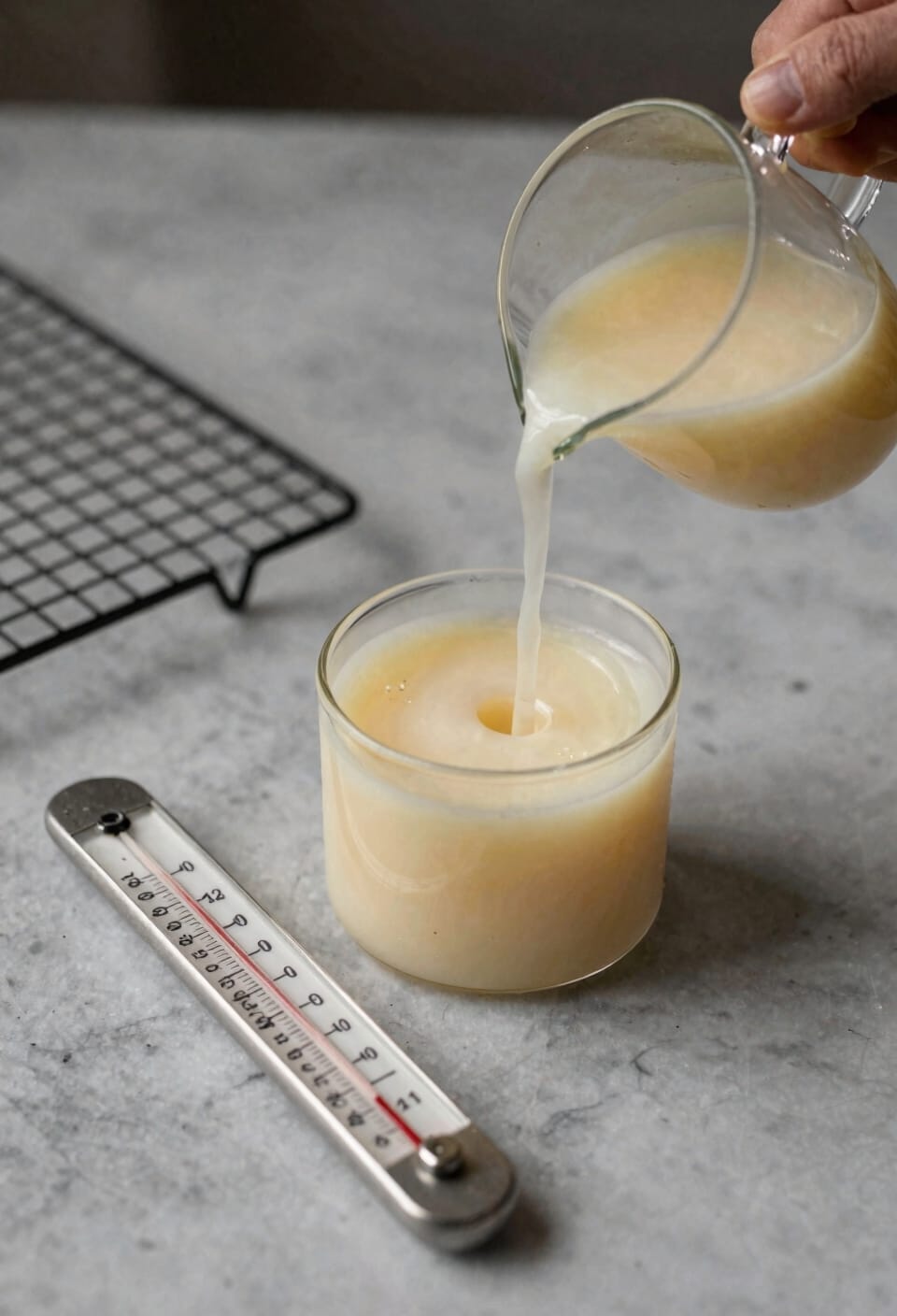
Now, here’s the thing: you can dial in your fragrance load perfectly, but if you’re pouring your wax at the wrong temperature, you’re still going to end up with a candle that won’t harden properly. I’ve learned this the hard way more times than I’d like to admit.
When you pour too hot, your wax shrinks excessively as it cools, creating voids and soft spots throughout. Find your ideal pour temps—usually around 170–185°F depending on your wax type—and stick to it. Preheat your jars to minimize temperature shock. Then give your candles controlled cooling in a warmer environment rather than a drafty windowsill. Slow, steady cooling prevents the uneven hardening that leaves you with frustratingly soft wax.
Recommended Products
✔ MELT MORE, SELL MORE—30LBS AT ONCE : Scale up without slowing down. Designed for professional makers, the Leerie D15 Wax Melter holds up to 30 lbs of wax—enough to pour 120 4oz candles in a single session. Perfect for small businesses and studios handling wholesale orders, seasonal demand, or daily restocks. Big capacity, big results—minus the batch hassle.

TWENTY POUNDS of PREMIUM FLORIDA SPRING BLOSSOM BEESWAX: 100% Natural, clean burning, sweet floral, with the honey-like fragrance typically associated with beeswax, cosmetic ready and suitable for food contact. Our pure beeswax bars are perfect for a wide variety of applications. Packaged in a one-pound bars (5″ x 3.5" x 1.75").

Fast Melt 60 Candles for You: Achieving a rush order for a bulk order was made easy. TOAUTO 30Lbs wax melter can melt 30Lbs of candle wax and make 60 8-ounce candles at a time, greatly reducing your production time and making mass production of candles piece of cake. it's time to consider investing in a fully functional candle maker machine!
Wick Size and Burn Duration
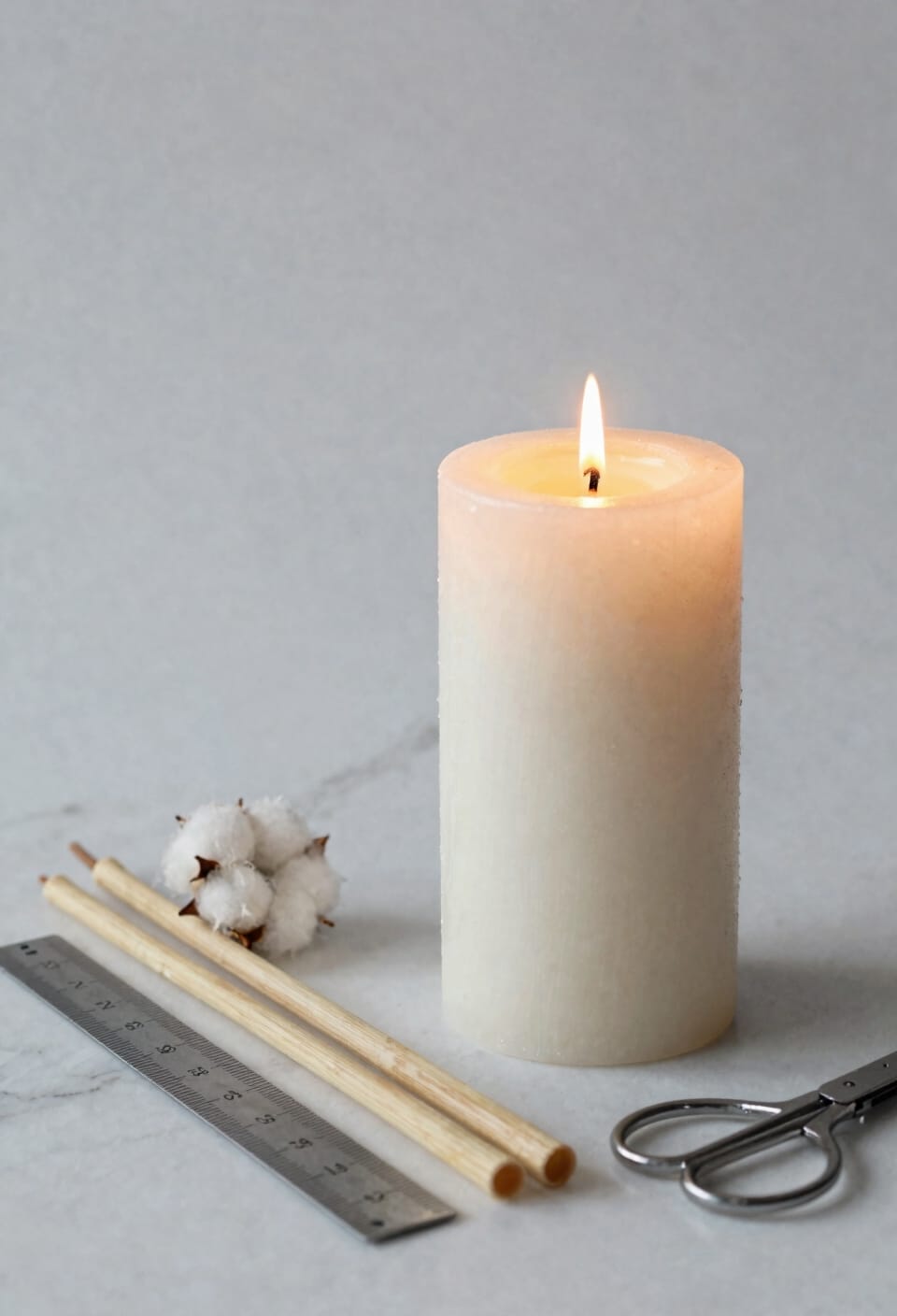
All right, here’s where a lot of candle makers trip themselves up: they nail the pour temperature, dial in the fragrance, and then completely botch the burn by using the wrong wick size or not letting the candle actually do its job. Your wick selection matters enormously—too small and it won’t melt wax all the way to the edges, leaving you with tunneling and wasted product. Too large and it burns too hot, overheating your wax and preventing proper hardening. Burn timing’s equally vital. I’m talking about that first burn especially. You need to let it go long enough to create a full melt pool—usually four hours minimum—so the wax cools evenly and sets properly. Skip this and you’re asking for soft, gummy candles that’ll disappoint you every time.
Recommended Products

CANDLE MAKING SUPPLY KIT: 50lbs soy wax, 500 cotton wicks, 500 glue stickers, 10 metal wick holders. Includes Everything you need to make your own candles.
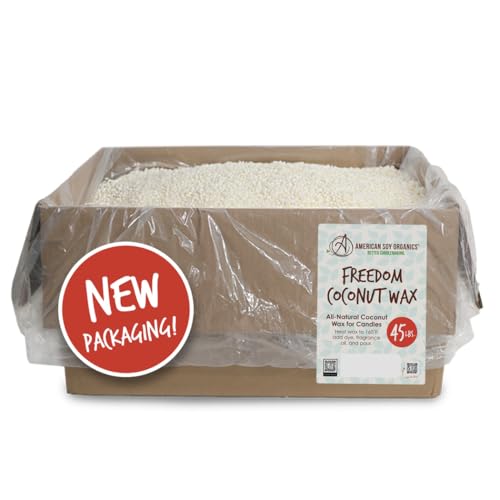
NATURAL COCONUT SOY WAX BEADS - Best candle making supplies make the best natural candles! Our safe, ethically produced, microwavable and paraffin-free coconut wax beads are smooth and creamy in appearance, perfect for candles, tealights and wax melts.

The information below is per-pack only
Quick Fixes for Soft Wax Right Now
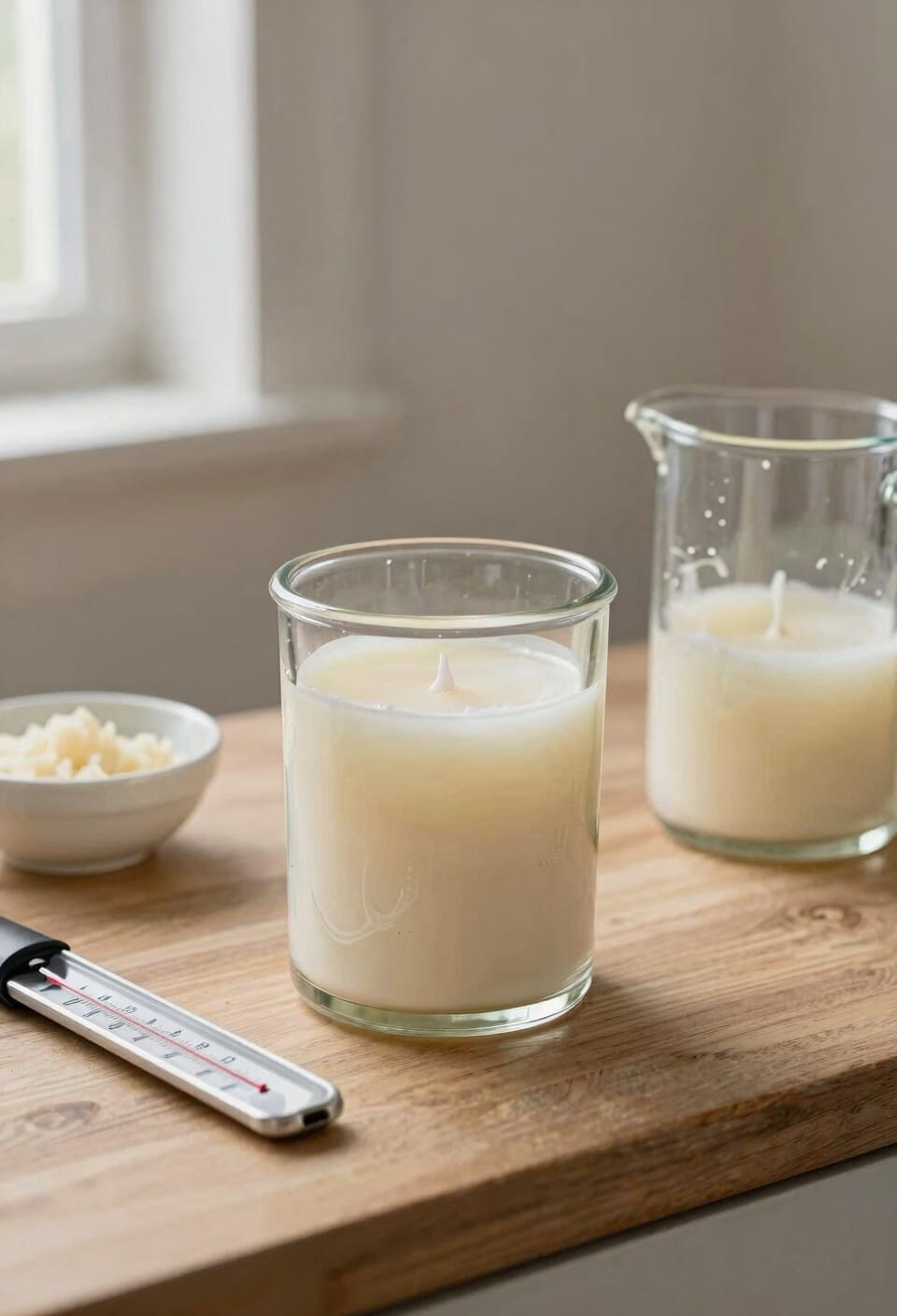
If you’ve already poured your candles and they’re coming out soft or not hardening properly, don’t panic—there are actually some moves you can make right now to salvage the situation. First, focus on temperature stabilization by moving your candles to a cooler, consistent space away from drafts and direct sunlight. Extreme temperature swings mess with how wax sets, especially with soy blends. Next, reconsider your container selection. Thin glass or metal conducts heat differently than thick ceramic or opaque vessels, which affects cooling rates. If you’re working with existing candles, gently pop them in the fridge for a few hours—sounds weird, but controlled cooling can firm things up. Just don’t shock them with freezing temperatures. These quick interventions won’t fix everything, but they’ll buy you time while you plan your next pour.
Recommended Products

All-In-One Starter Kit – Everything you need to dive into candle making! Our Hearth and Harbor soy candle wax for candle making includes 45 lbs of smooth soy wax flakes, 100 cotton wicks, 100 adhesive stickers, and 2 centering tools. Perfect for beginners or seasoned DIYers.

NATURAL SOY WAX BEADS, PARAFFIN-FREE: Freedom Soy Wax Beads are made from USA Midwest-grown soybeans, natural, paraffin-free, beeswax-free, and free of animal products. Soy burns cleaner and longer than paraffin, producing a safer candle your household can enjoy with confidence. Carefully sourced and proudly made in America for candlemakers who care about what goes into every pour and every burn.

NATURAL SOY WAX BEADS - Best candle making supplies make the best soy candles! These safe, ethically produced, microwavable and paraffin-free soy wax beads are smooth and creamy in appearance, perfect for container candles, tealights and melts.
Your Prevention Checklist for Next Time
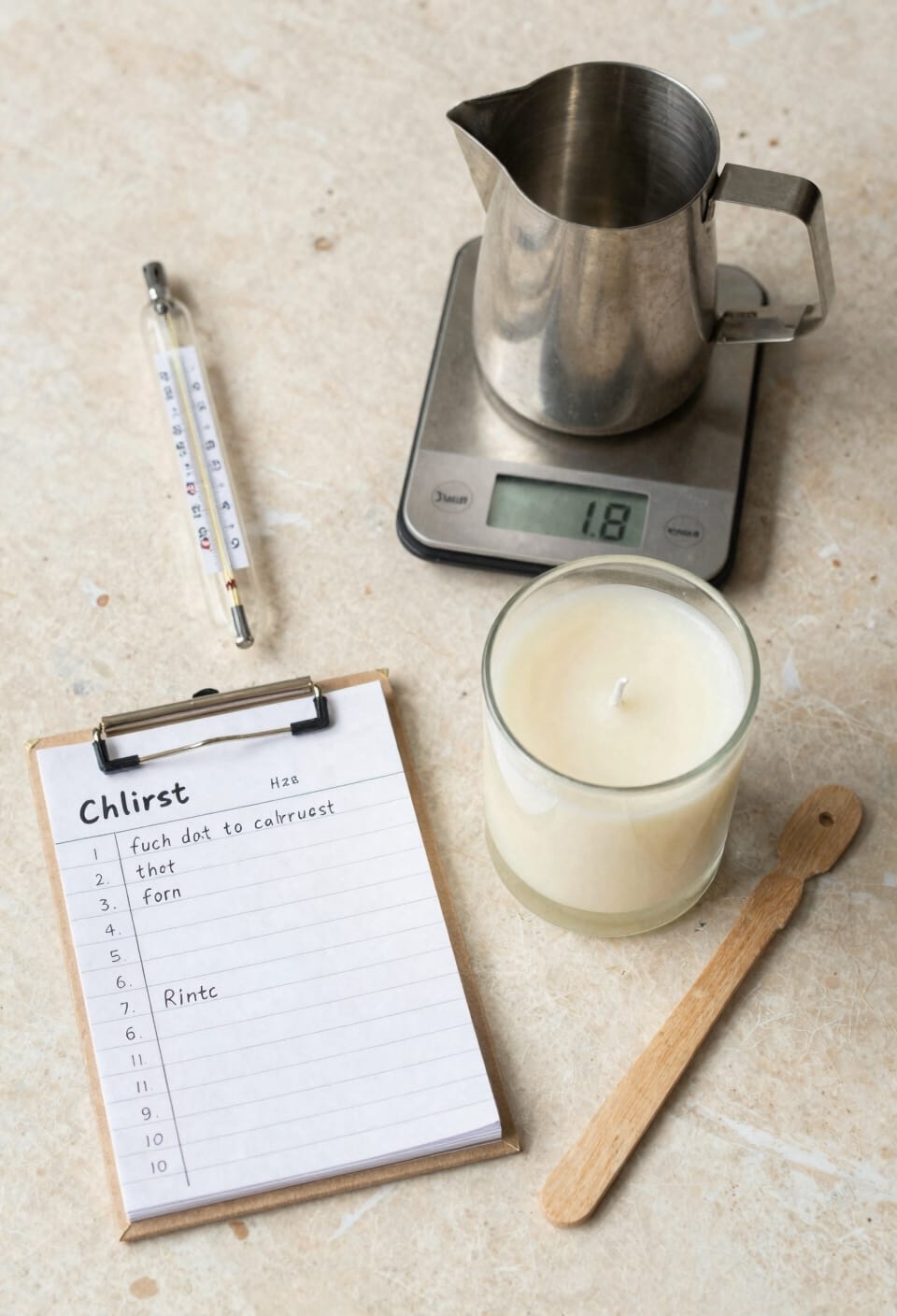
Once you’ve salvaged a soft-pour disaster or two, you’ll start seeing the whole process differently—and that’s when prevention becomes your real superpower. Here’s what I’ve learned matters most: prep your containers before pouring by preheating them slightly—this reduces the temperature shock that causes shrinkage and soft spots. Control your storage conditions too. Keep finished candles in a cool, stable environment away from direct sunlight and temperature swings. Dial in your pouring temperature and stick with it. Use a reliable thermometer. Pick the right wax blend for your climate—soy alone struggles in warm conditions, so consider paraffin blends. Trim your wick properly. Keep fragrance load reasonable. These small habits compound into consistently harder candles you’ll actually be proud of.
Recommended Products

✔UPGRADE CADNLE CRAFT, BOLDER CREATIONS: With Leerie D6 digital wax melter, you're not just upgrading your equipment—you're upgrading your entire crafting experience. With the 12 lbs capacity to melt up to 48 4oz candles at a glance, without the constant need for refills or multiple melting sessions. D6 Wax Melter is your craft room's new best friend, whether you're a DIY enthusiast looking to make candles for gifts or a small-batch producer aiming to grow your business.

【UPGRADE VERSION】TOAUTO V3 Wax Melter with stainless steel ball valve and upgrade inner tank design -- will not freeze up with wax inside the pot, NOT CLOGGY, NO NEED HEAT GUN ANYMORE! If you have a medium consistency of candle orders, this is well worth it to make things easier.If you are thinking of starting a small candle business this is ideal.

【Premium Material】Our beeswax pellets are sourced from quality farms, carefully selected to ensure high standards.
Frequently Asked Questions
Does Wax Type Selection Affect Hardness, and Should I Blend Soy With Paraffin?
Yes, wax type absolutely affects hardness. I’d recommend blending soy with paraffin because wax compatibility improves overall hardness. This blend reduces frosting while additives impact the final firmness, giving you better results than pure soy alone.
How Do Extreme Temperature Changes in My Environment Cause Soft or Sweating Wax?
Temperature cycling and humidity spikes cause your wax to sweat because rapid shifts force moisture absorption and surface condensation. I’d recommend storing candles in stable, moderate environments to prevent this softening effect.
Can Cracks Near the Wick Indicate Deeper Hardness or Quality Issues?
Studies show 60% of candle defects stem from cooling issues. Yes, cracks near your wick signal wax shrinkage and air bubbles—compromising wick integrity and surface tension. They’re symptoms, not deeper quality problems, but indicate your pouring temperature was likely too high.
What’s the Ideal Cooling Environment Temperature to Prevent Soft Wax Development?
I’d recommend a moderate, consistent room temperature for ideal cooling and gradual solidification. Avoid extreme temperature shifts, which cause soft wax. You’ll want steady conditions around 70°F to prevent premature softening.
How Does Wick Centering Impact Overall Wax Hardness and Burn Quality?
I’d say wick alignment directly affects flame symmetry, which controls burn evenness. When I center the wick properly, you’ll achieve uniform wax consumption across the candle’s surface, preventing soft spots and tunneling issues.
Conclusion
Look, I’ve absolutely *obliterated* batches by ignoring fragrance load—and you don’t want that nightmare. Your soft wax is screaming for help, but here’s what’ll save you: dial back the fragrance, nail your pour temp, and for heaven’s sake, let that candle cure properly. I’m talking full weeks. One tiny adjustment cascades into victory. You’ve got this.