As an Amazon Associate, we earn from qualifying purchases. Some links on this site are affiliate links at no extra cost to you. Our recommendations are based on thorough research and editorial judgment.

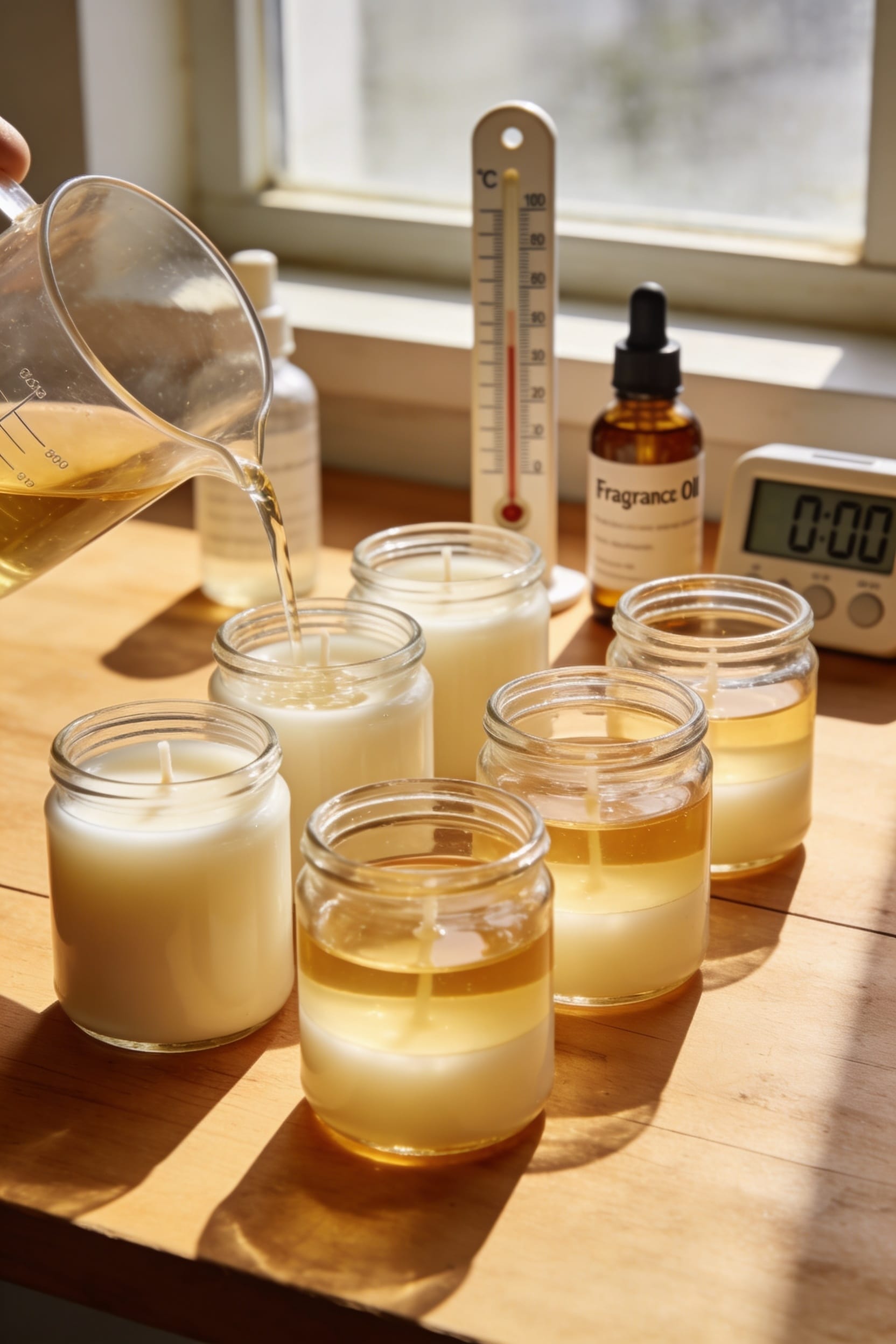
How Long Does Candle Making Take? (From Pour to Ready-to-Burn)

candle cure time—that’s the waiting period after you pour the wax before it’s actually ready to burn—depends almost entirely on your wax type. Soy and coconut need a full 14 days to stabilize properly, paraffin’s ready in 3–5 days, and beeswax splits the difference at 7–10 days. You’ll also want to skip burning for at least 24 hours after pouring, or you’ll get misleading scent and burn results. The specifics on what actually happens during those days—and why skipping them tanks your candles—matter more than you’d think.
Key Takeaways
- Soy and coconut wax require 10–14 days full cure; paraffin needs only 3–5 days before safe burning.
- All candles must cure at least 24 hours after pouring to prevent soft wax and inaccurate results.
- Beeswax cures in 7–10 days, while larger containers demand extended curing beyond smaller container timeframes.
- Conduct a 3–4 hour test burn after full cure to evaluate scent throw and wick performance accurately.
- Avoid moving, stacking, or temperature exposure during curing to prevent uneven settling and compromised burn quality.
From Pour to Flame: Your Complete Cure Timeline
Once you’ve poured that melted wax into your container and watched it cool, the real waiting game begins—and I won’t lie, it’s the hardest part of candle making because you’ve already done the fun stuff. Here’s the thing: cure time is when your wax fully hardens and your fragrance oil molecules settle throughout the wax, allowing proper scent diffusion later. Different wax types demand different patience. Soy needs 10-14 days. Paraffin gets away with 3-5. Coconut demands a full two weeks. Container sizing matters too—larger candles often need longer curing. Don’t burn your candle in that first 24 hours regardless. I know the temptation’s real, but trust me on this one.
Soy, Paraffin, Beeswax: How Wax Type Sets Your Wait
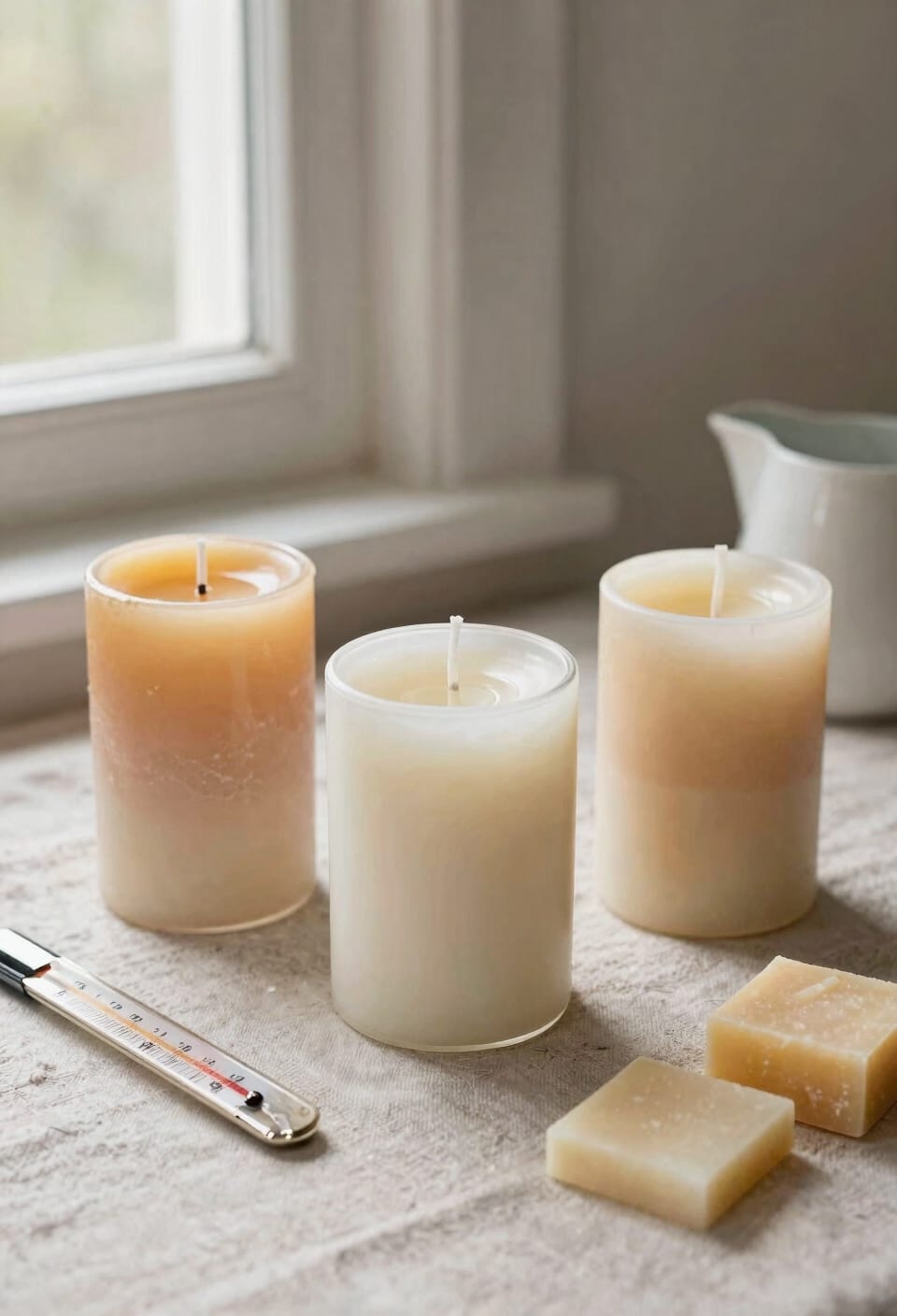
If you’ve got multiple containers of freshly poured candles cooling on your shelf right now, here’s the thing: they’re not all going to be ready at the same time, and that’s entirely because of what wax you chose. Soy chemistry requires 10-14 days minimum—the molecular structure needs time to fully stabilize before burning. Paraffin additives accelerate things considerably; you’re looking at just 3-5 days. Beeswax splits the difference at 7-10 days. Softer waxes melt easier initially, which means burning too soon gives you false results—the candle performs differently once properly cured. I’ve learned this the hard way. Pick your wax type first, then mark your calendar accordingly.
Recommended Products

100% Pure Beeswax Candle: Hand-poured from naturally filtered beeswax for a rich, golden glow. These clean burning candles are free from paraffin, soy, and synthetic fragrances. Each 1-wick dripless pillar candle features natural cotton candle wicks and pure candle wax for a long-lasting burn and warm, cozy candle light.

Industrial 67 Lbs Capacity Wax Melting Pot Pro Package Model: Includes Large Spout, Lid, Pouring Pot, Stirring Spoon. Cutting-edge technology ensures rapid melting of soy wax, paraffin, coconut, and beeswax for efficiency. It's perfectly suitable for most Wax types and Melt & Pour soap bases. Its user-friendly temperature guage allows temperature adjustment from from low to high temperature which maintains roughly 100 - 350 degrees Fahrenheit.

65 LBs Capacity Wax Melting Pot Pro Package Model: Includes Large Spout, Lid, Pouring Pot, Stirring Spoon. Cutting-edge technology ensures rapid melting of soy wax, paraffin, coconut, and beeswax for efficiency. While it can't be used for lye soap making due to aluminum's reactivity with lye, it's perfectly suitable for Melt & Pour soap bases. Its user-friendly temperature guage allows temperature adjustment from from low to high temperature which maintains roughly 100 - 350 degrees Fahrenheit.
The 24-Hour Hold: Why Burning Too Soon Gives False Results
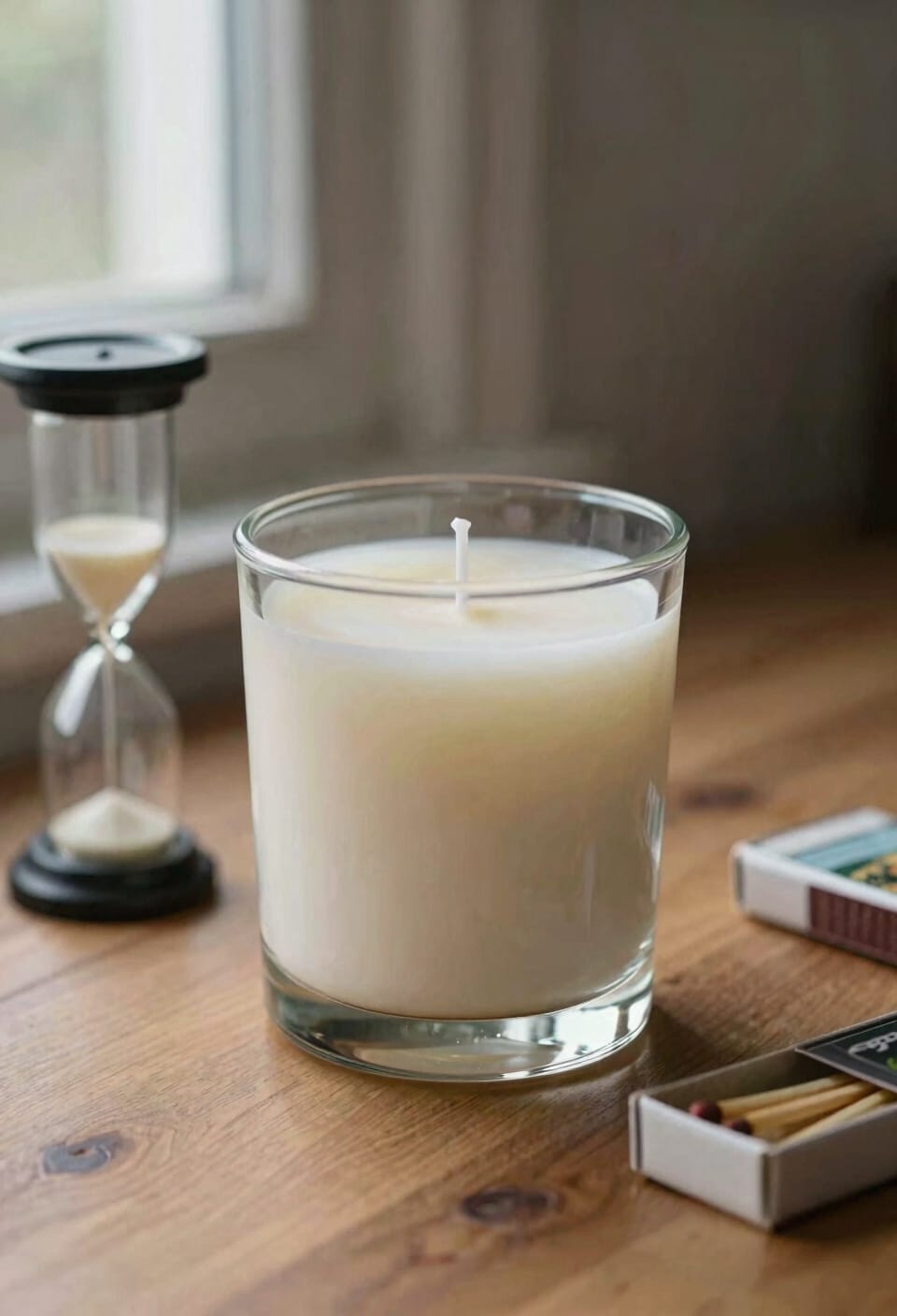
Now, here’s where patience becomes your best friend: you’ve got to let that candle sit untouched for at least 24 hours after pouring, and ideally much longer depending on your wax type. I learned this the hard way by torching a test burn way too early—the results were completely misleading. When you burn a candle before it’s fully set, the wax is still soft and melts too easily, throwing off your wick memory (the wick’s tendency to burn straight down the center). You’ll also get false scent retention readings since fragrance hasn’t fully bonded with the wax. Plus, surface crystallization won’t have developed properly, and you won’t know if your container compatibility is actually solid. Wait it out. Your data’s worth it.
Wick Count and Size: Do They Change Cure Time?
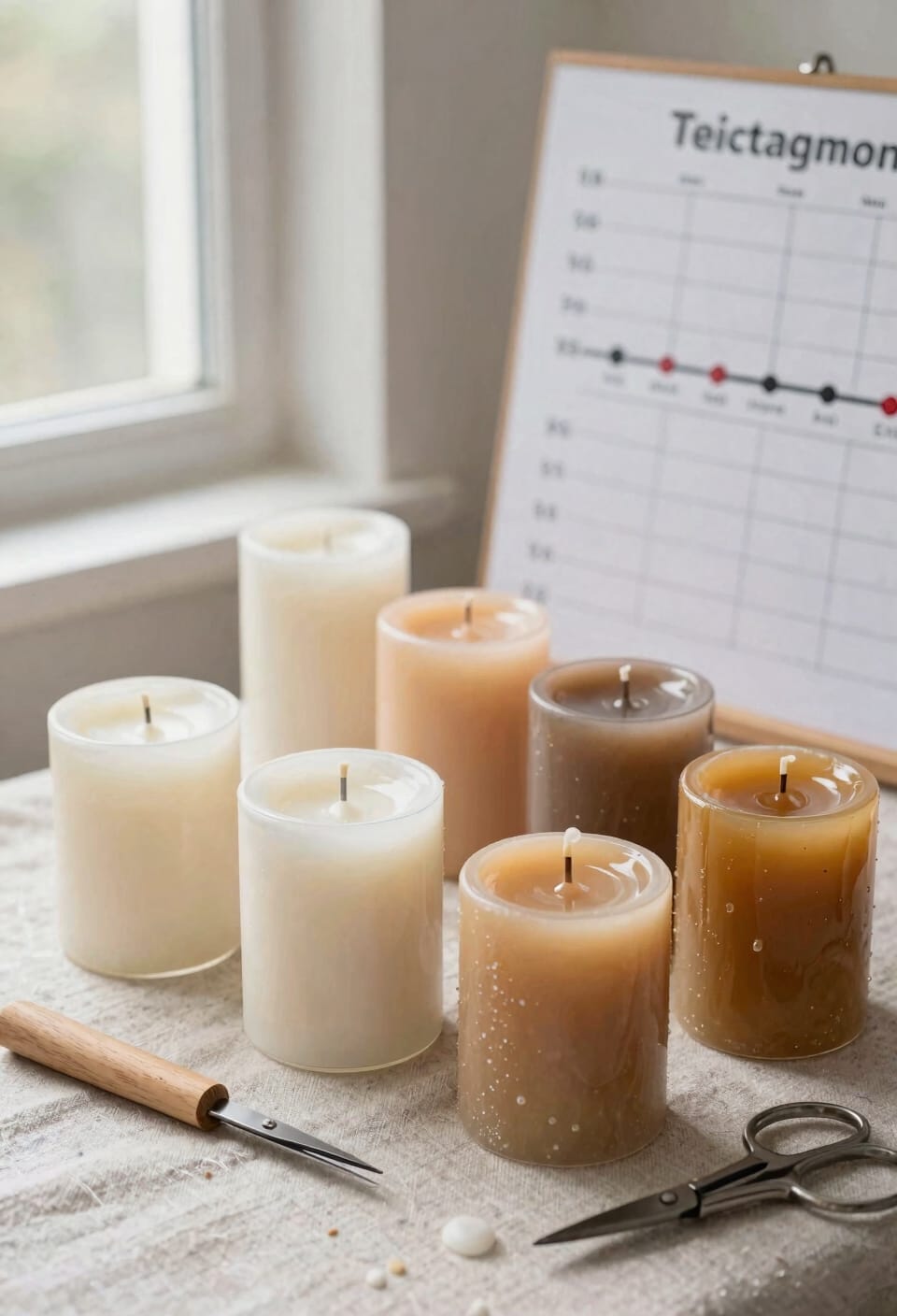
A question I get all the time is whether throwing more wicks or going bigger with your wick choice somehow speeds up the curing process—and I get why you’d think that, since bigger wicks burn hotter and faster. Here’s the thing: cure time doesn’t change based on wick count or size. Your wax still needs its full 10-14 days for soy, 7-10 for beeswax, whatever your specific wax demands.
What *does* matter is wick placement and heat diffusion during the actual burn. More wicks create faster melting and better scent throw, but they won’t rush the stabilization your candle needs beforehand. The cure time’s about molecular structure settling, not about what’s going to happen when you light it. Patience first, burn later.
Recommended Products

FOR BEGINNERS AND EXPERTS ALIKE: Wax in bead form is the hassle free way to make soy candles – wax beads quickly melt, so you can pour the candle wax and start your next batch easily! Ideal for those who are new to DIY candles.
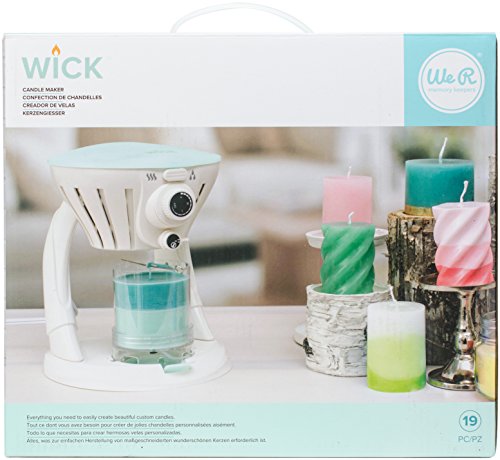
COMES WITH EVERYTHING YOU NEED: This kit includes 3 lbs of Paraffin Wax, 72 inches of cotton wick, 3 candle rubber stoppers, pigment (red, yellow, blue, white), 3 candle molds with base, and a color mixing chart

NATURAL: Our waxes are designed for a long and clean burn. Our Coconut Soy Blend is composed of high quality coconut wax, soy wax, and small amounts of paraffin. Because of the blend's nature, color may vary between off white and beige.
Testing Your Candle’s Burn Rate (After Curing)
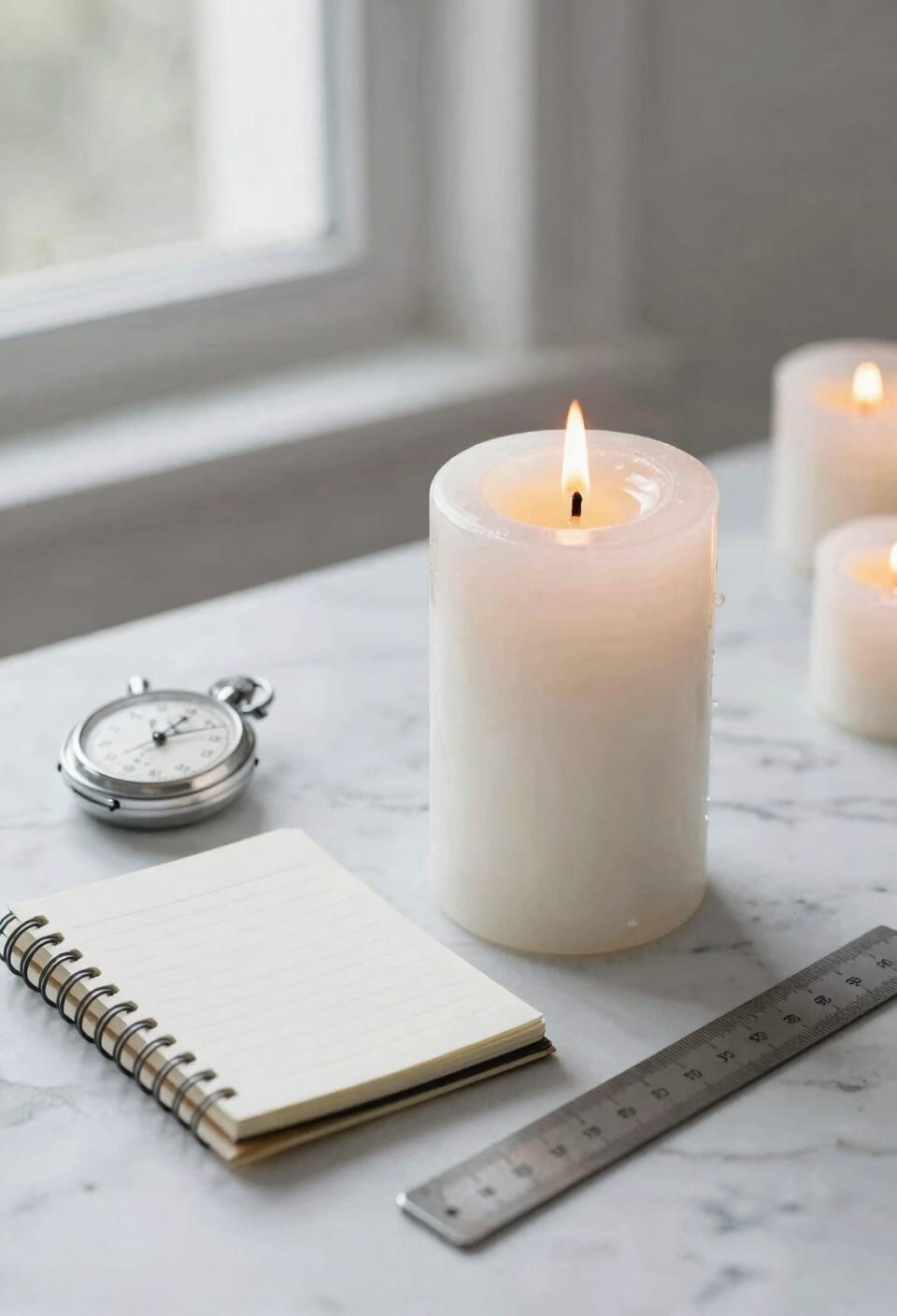
Once your candle’s cured and you’re itching to light it up, the real test begins—and I mean that literally. Burn it for 3-4 hours and watch what happens. You’re checking scent throw—how well that fragrance actually fills your room—and monitoring wick maintenance to guarantee it’s not smoking or tunneling. Weigh the candle before and after to calculate wax consumption. Divide those hours by ounces burned, then multiply by your candle’s total weight for a realistic burn time estimate. A 16-ounce candle that burns one ounce per hour? That’s roughly 16 hours total. Different wax types perform differently—soy’s thriftier than paraffin. Don’t skip this step. It’s the only way you’ll know if your candle actually delivers what you promised.
Recommended Products
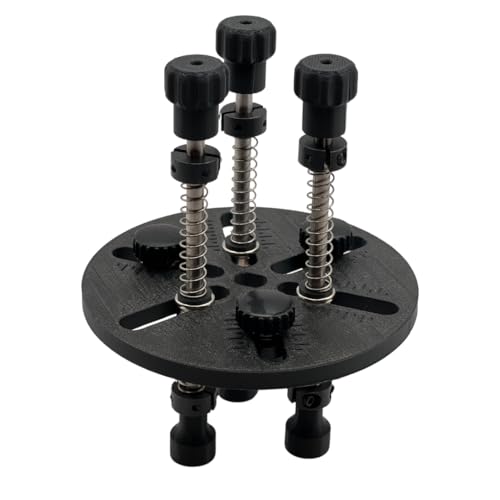
✔ ADJUSTABLE FOR ANY CANDLE JAR – Expandable arms fit jar openings from 2-1/2″ to 4-5/8″ wide, making it perfect for single, double, or triple wick candles in nearly any container.

【PACK LIST】 24 Count 12 inch Beeswax Taper Candles in white color will come in the box

The information below is per-pack only
Calculating Total Burn Hours Using Your Test Data
Take that test burn data you just collected and turn it into something actually useful—a realistic estimate of how long your candle’s going to last in the real world. Weigh your candle before and after that 3-4 hour test burn. Subtract the final weight from the starting weight to find how much wax you consumed. Now divide your test burn hours by the ounces burned—that’s your hours-per-ounce ratio. Multiply that number by your candle’s total weight for your burn time estimate. Weight tracking matters because ambient temperature affects how quickly wax melts, so your real-world results might vary slightly. A 16-ounce candle burning at 4 hours per ounce? You’re looking at roughly 64 total hours.
Why Beeswax Burns Longer Than Paraffin (and Soy)
When you compare burn times across different wax types, beeswax consistently outperforms both paraffin and soy—and there’s real chemistry behind why that happens. Beeswax has a higher melting point than paraffin or soy, which means it burns slower and hotter. That density matters because the combustion chemistry is fundamentally different. Beeswax molecules pack tighter together, creating a denser fuel source that takes longer to consume. Here’s what I’ve noticed: with natural airflow in your room, beeswax doesn’t vaporize as quickly as softer waxes do. You’re looking at roughly one hour per inch of diameter for beeswax, while paraffin only gives you thirty minutes to an hour. Soy falls somewhere in between. That’s why beeswax candles feel like a luxury—they genuinely last longer.
The Cure-Killing Mistakes You’re Probably Making
Now, here’s where a lot of candle makers—myself included, early on—get overconfident: you’ve got your beautiful poured candles sitting on the shelf, and they look *done*. They’re not. Improper handling—moving them around, stacking them, exposing them to temperature swings—disrupts the curing process and creates uneven burn performance later. I’ve learned this the hard way. Then there’s fragrance overload, where you think more scent equals better throw (that’s how far your fragrance travels when burning). Nope. Too much fragrance oil actually interferes with proper curing and can cause tunneling. You’re also probably burning candles before their wax has fully stabilized. Wait the full cure time your specific wax demands. Soy needs 10-14 days. Coconut needs 14. Your impatience now means disappointing burns later.
Recommended Products

ESSENTIAL CANDLE MAKING SUPPLIES - Our 300mm probe wax thermometer for candle making will assist with all types of candle making and is one of those great accessories to compliment your candle making kit.
ESSENTIAL CANDLE MAKING SUPPLIES - Our 175mm probe wax candle making thermometer will assist with all types of candle making and is one of those great accessories to compliment your candle making kit.
Your Pre-Burn Checklist: Is Your Candle Ready?
Before you light that wick, you’ve got to confirm your candle’s actually ready—and I don’t just mean it looks pretty sitting there. Here’s the thing: a proper safety inspection matters. Check for surface cracks, uneven settling, or wick centering issues that’ll cause problems during burning. Next, assess scent diffusion by smelling the candle from a few inches away—you’re verifying the fragrance’s dispersed evenly throughout the wax. I’ve made candles that cured perfectly but still had dead zones. Now, confirm your cure time‘s actually complete. Soy needs 10-14 days, paraffin 3-5 days, coconut a full 14. Burning too early risks false results and disappointing performance. Trust me, waiting those extra days saves frustration later.
Recommended Products
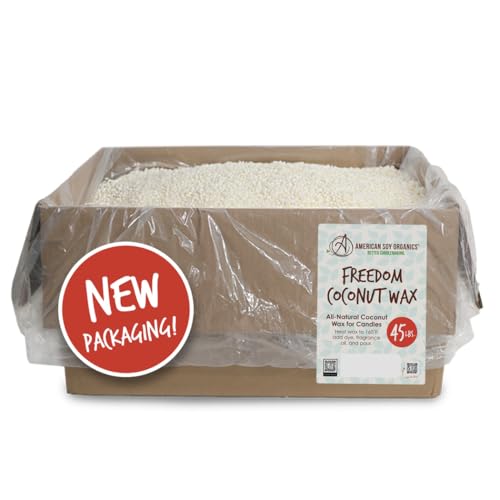
NATURAL COCONUT SOY WAX BEADS - Best candle making supplies make the best natural candles! Our safe, ethically produced, microwavable and paraffin-free coconut wax beads are smooth and creamy in appearance, perfect for candles, tealights and wax melts.

All-Inclusive Kit: Comes with 50 lbs of soy wax flakes, 100 pre-waxed 6 inch wicks, and 2 centering devices; this set gives you essential candle making supplies for DIY projects or gifting

CANDLE MAKING SUPPLY KIT: 30lbs soy wax, 300 cotton wicks, 300 glue stickers, 6 metal wick holders. Includes Everything you need to make your own candles.
Frequently Asked Questions
Can I Speed up Curing Time by Placing Candles in the Freezer or Refrigerator?
I don’t recommend freezing candles to speed curing. Freeze risks include cracking, warping, and separation. You’ll compromise scent preservation and the wax’s molecular structure, ultimately ruining your candle’s quality and burn performance.
Does Adding Fragrance Oil or Dye Affect How Long Candles Need to Cure?
I’ve found that adding fragrance oil or dye doesn’t extend your candle’s cure time—you’ll still follow your wax type’s standard timeline. However, they do need that full cure for proper fragrance retention and color stability.
What Humidity and Temperature Conditions Are Ideal for Proper Candle Curing?
You might think curing’s just about time, but it’s not—I’ve found stable temperature and ideal humidity matter just as much. I cure my candles in 65-75°F environments with 40-50% humidity for consistent, peak results.
Can I Sell Uncured Candles if I Provide Curing Instructions to Customers?
I wouldn’t recommend it. You’ll face legal risks if customers experience poor performance, and you’ll damage customer trust. Selling cured candles protects your reputation and guarantees satisfied buyers.
Does the Container Type (Jar Versus Container-Less) Impact Overall Curing Duration?
Like water finding its level, container type shapes curing differently. I’ve found jar candles—with their glass thickness and wick placement considerations—cure slightly slower than container-less pillars, though wax type remains the primary factor.
Conclusion
I’ve watched impatient candle makers light their creations after just twelve hours, only to watch them tunnel and burn unevenly. Studies show that properly cured candles (we’re talking the full 24–48 hours) burn up to 30% longer than rushed ones. That patience you’re fighting? It pays off. You’re not just waiting—you’re building a better candle.