As an Amazon Associate, we earn from qualifying purchases. Some links on this site are affiliate links at no extra cost to you. Our recommendations are based on thorough research and editorial judgment.

When to Add Fragrance Oil to Candle Wax for the Best Scent Throw

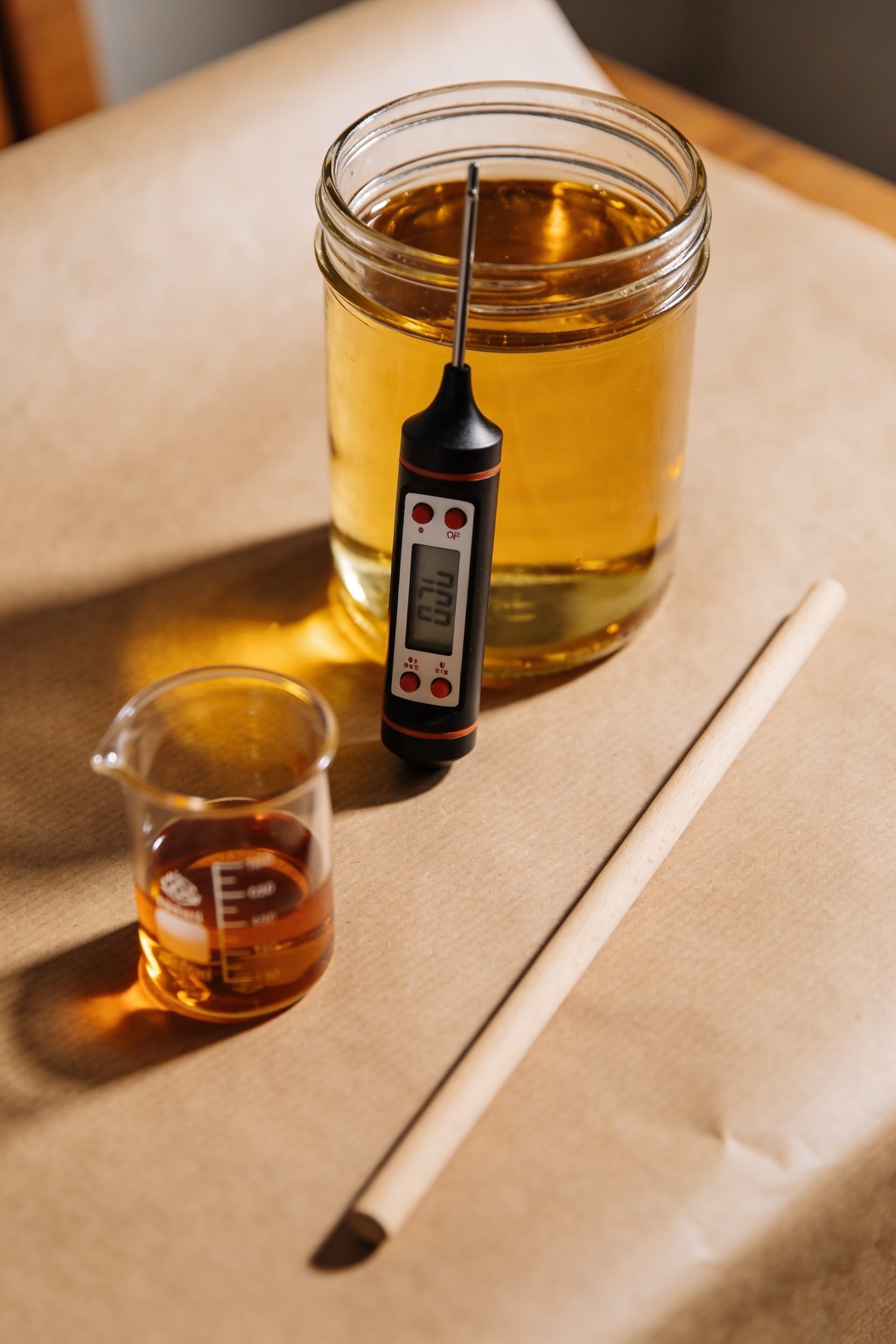
Add fragrance oil when your soy wax hits 155–165°F—that sweet spot where it flows like honey but isn’t so hot it burns off your scent. Too cool and the wax crystallizes, trapping fragrance molecules uselessly; too hot and you’re literally watching your scent evaporate into thin air. Stir constantly for two minutes, then let it cool to 120–140°F before pouring. The exact temperature depends on your fragrance’s flash point, so check your supplier’s data sheet first. Get this timing wrong and you’ll pour beautiful candles that smell like nothing, which is honestly worse than a bad pour.
Key Takeaways
- Add fragrance oil to soy wax between 155–165°F to prevent crystallization and volatilization while ensuring optimal scent retention.
- Temperature timing is the primary factor affecting scent throw; too cool traps fragrance, too hot causes oil evaporation.
- Stir fragrance constantly for at least two minutes after addition to ensure even distribution and prevent unblended pockets.
- Consult fragrance supplier data sheets for flash points; add oils at or below that threshold for safety and performance.
- Cool blended wax to 120°–140°F before pouring to lock scent into the wax during the curing process.
The Ideal Fragrance Oil Temperature Window for Soy Wax (155–165°F)
When you’re working with soy wax—and trust me, I’ve scorched plenty of it learning this the hard way—the sweet spot for adding fragrance oil lands right between 155°F and 165°F. This temperature precision matters because it’s cool enough to prevent fragrance volatilization (that’s when your scent literally evaporates before it bonds with the wax) but warm enough to guarantee proper blending. At this range, your wax has achieved melt clarity—it’s completely liquid without being dangerously hot. You’ll notice the wax flows like honey, accepting the fragrance oil smoothly. This window gives you that perfect balance: your scent oils incorporate evenly throughout, preventing weak spots or unblended pockets that’d ruin your candle’s performance later.
Recommended Products

【Natural Soy Wax Flakes】Our soy wax flakes comes from organic farms, enriched with natural soy, without additives, harmless and pure, it is your ideal soy wax for candle making.

SOY CANDLE MAKING KIT FOR ADULTS: Includes 12 lb natural soy wax for candle making (1 bag 10lb + 4 bags, 8 oz each), 1200 mL melting pot, thermometer, 2 round and 2 square 8 oz candle tins with lids, 100 cotton candle wicks, 100 wick stickers, 2 metal wick centering tools, 4 wooden wick holders, 4 wooden stirring sticks, 4 warning labels, 1 silicone finger protector, 1 silicone trivet, 4 gift tags with 18” twine, and step-by-step instructions.

Wax melter for candle making: Large pot holds approximately 7 Qts Melted Wax! Super- Fast Melter can melt Soy Wax, Paraffin, Coconut, Beeswax. Easy to use temperature setting to adjust your tempature as needed. Its best to always check tempature with a thermometer. Great for DIY Candle Makers.
Why Temperature Matters: How Wrong Timing Kills Scent Throw
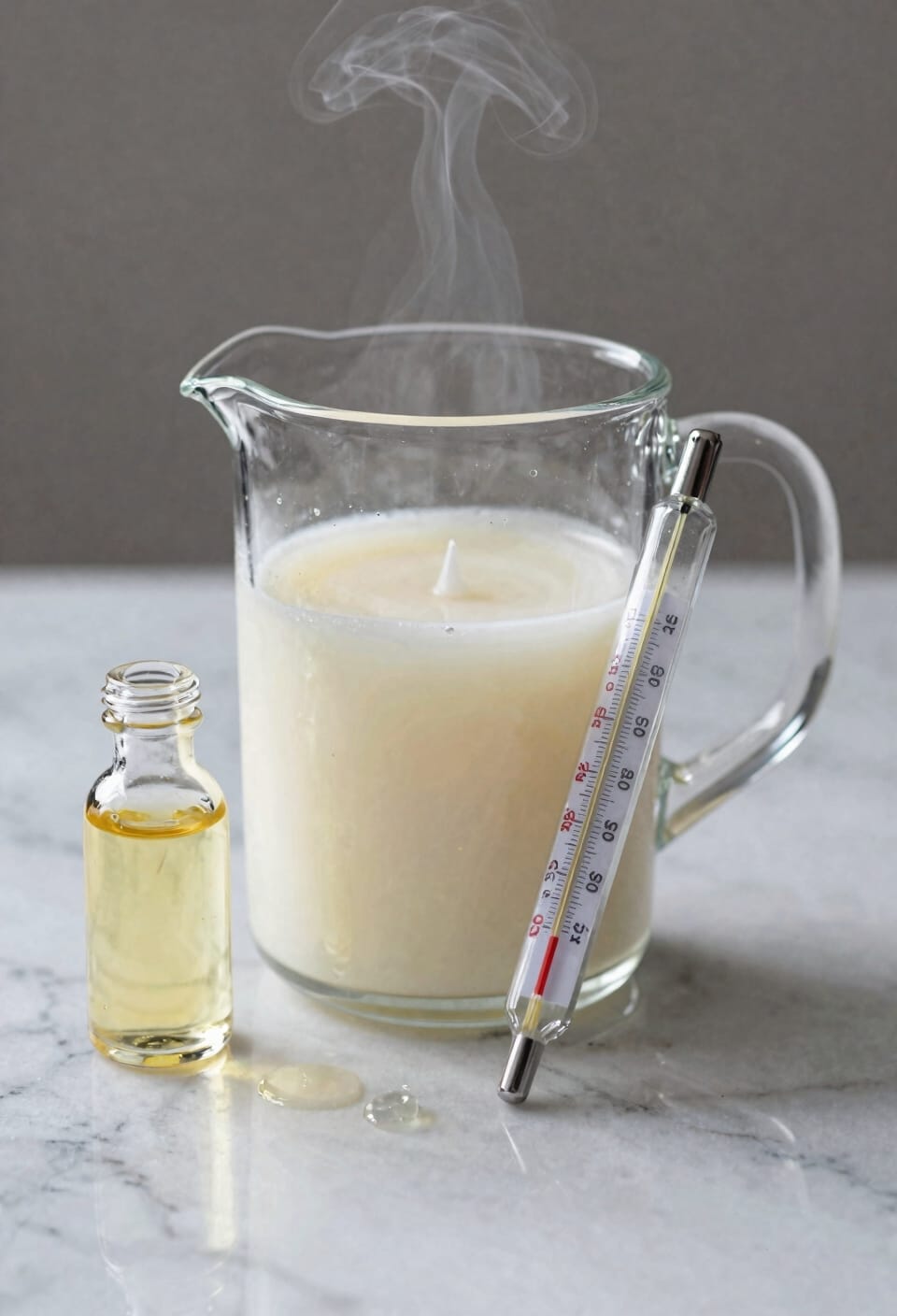
If you’ve ever lit a candle you poured and wondered why it barely smells like anything—even though you *know* you added the fragrance oil—temperature timing is almost certainly your culprit. When wax gets too cool, wax crystallization begins, trapping fragrance molecules before they can fully integrate. Pour too hot, and you’re battling oil volatility—your scent literally evaporates into the air instead of bonding with the wax. I’ve watched perfectly good fragrance disappear because I got impatient and poured at the wrong temp. That’s why hitting 155–165°F for soy wax matters so much. You’re threading a needle between crystallization and evaporation, locking scent throw into your finished candle rather than watching it vanish.
When to Add Fragrance by Wax Type (Soy, Paraffin, Blends)
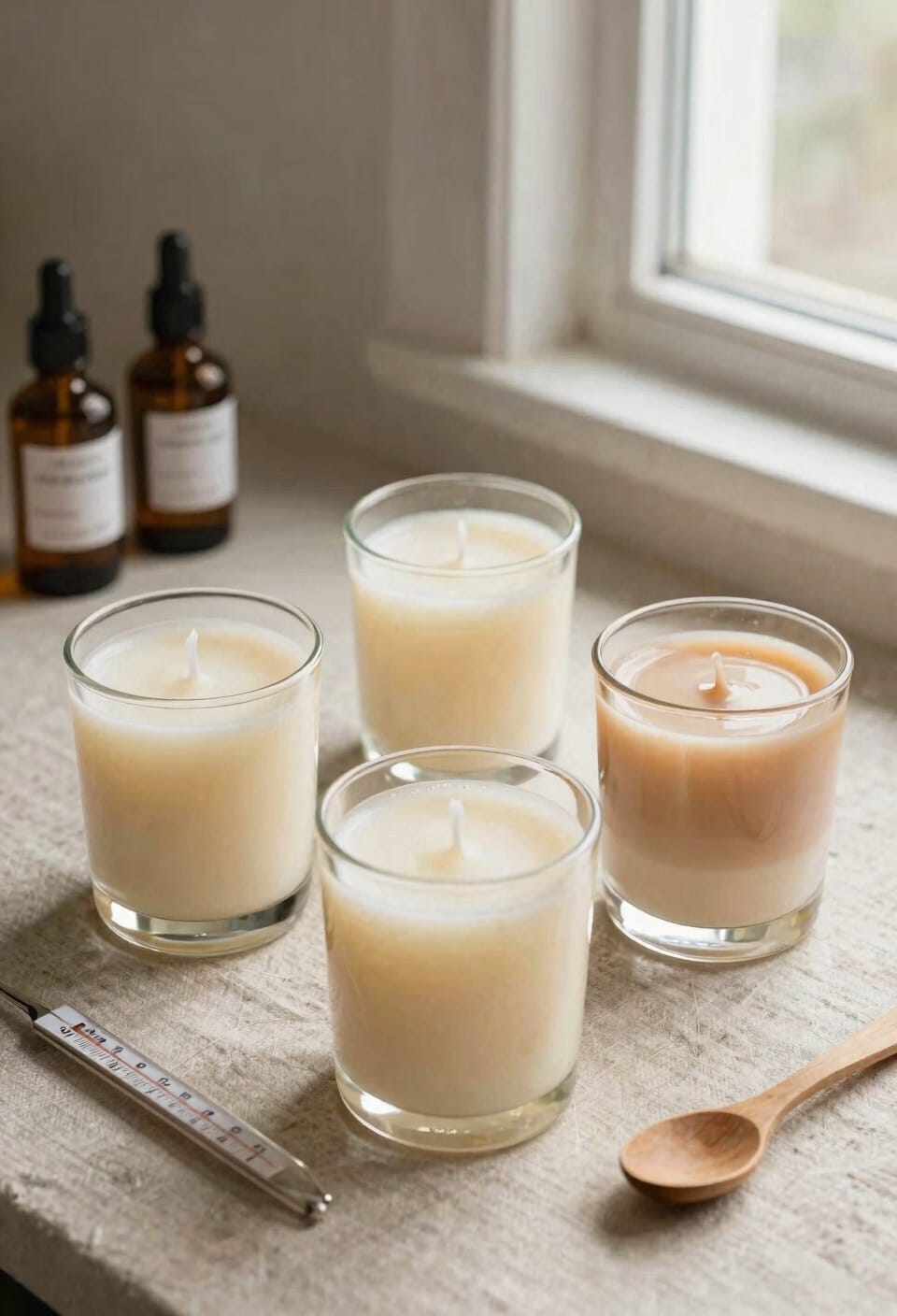
Different wax types have wildly different personalities, and I’ve learned the hard way that treating soy and paraffin the same way is a recipe for weak scent throw or, worse, fragrance that never bonds properly with your wax.
Soy wax wants fragrance between 155–165°F—that’s your sweet spot for wax compatibility. Paraffin’s more forgiving; you can push toward 185°F without worry. Blends? They’re temperamental. I add fragrance right around 180°F to make certain even scent retention across both components.
The difference matters because each wax type absorbs fragrance differently. Soy’s porous structure grips oil readily at lower temps. Paraffin needs more heat to open up its molecular structure. Hitting your wax’s preferred window means the fragrance actually stays put instead of separating during cure.
Recommended Products

100% Pure Beeswax Candle: Hand-poured from naturally filtered beeswax for a rich, golden glow. These clean burning candles are free from paraffin, soy, and synthetic fragrances. Each 1-wick dripless pillar candle features natural cotton candle wicks and pure candle wax for a long-lasting burn and warm, cozy candle light.

You know it as: Pearled Wax, Pearled Candles, Candle Pearls, Pearl Wax, Candle Powder, Granulated Natural Plant Based Wax.
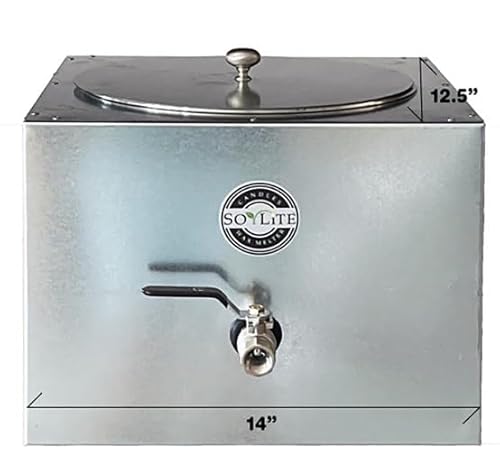
Profeshional wax melter for candle making, Effortlessly make large batches candles . No more messing with temperature control. This new wax melter automatically keeps wax around 180 to 190 degrees. Just simply add wax and turn on. If you are running a small business or handling a big custom order? SoyLite will help save you time.
Step-by-Step: Melt, Cool, Add, Blend Process
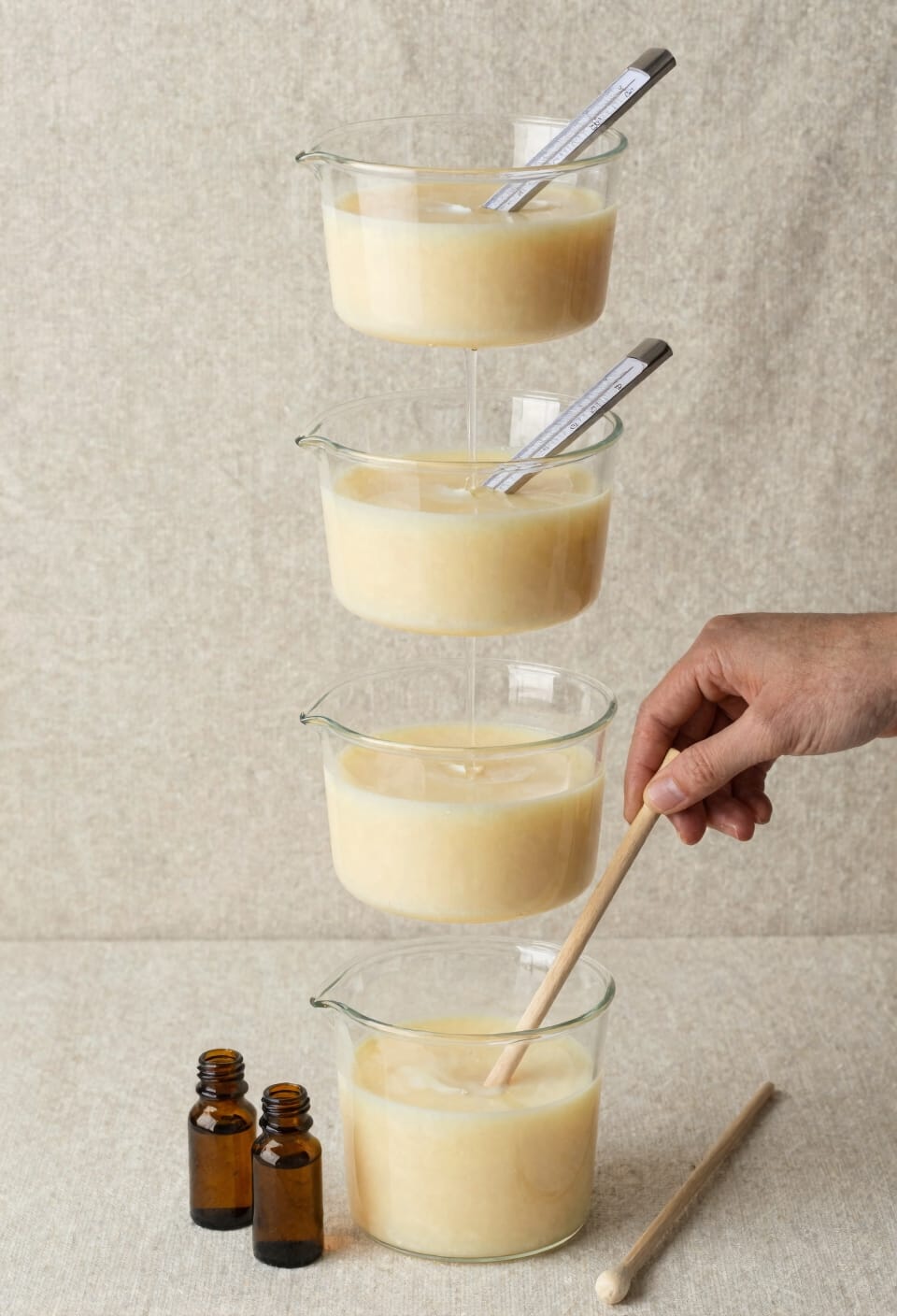
Now that you’ve figured out which temperature window works best for your specific wax, you’ve got to actually execute the process—and I promise it’s simpler than it sounds, though the order matters more than you’d think.
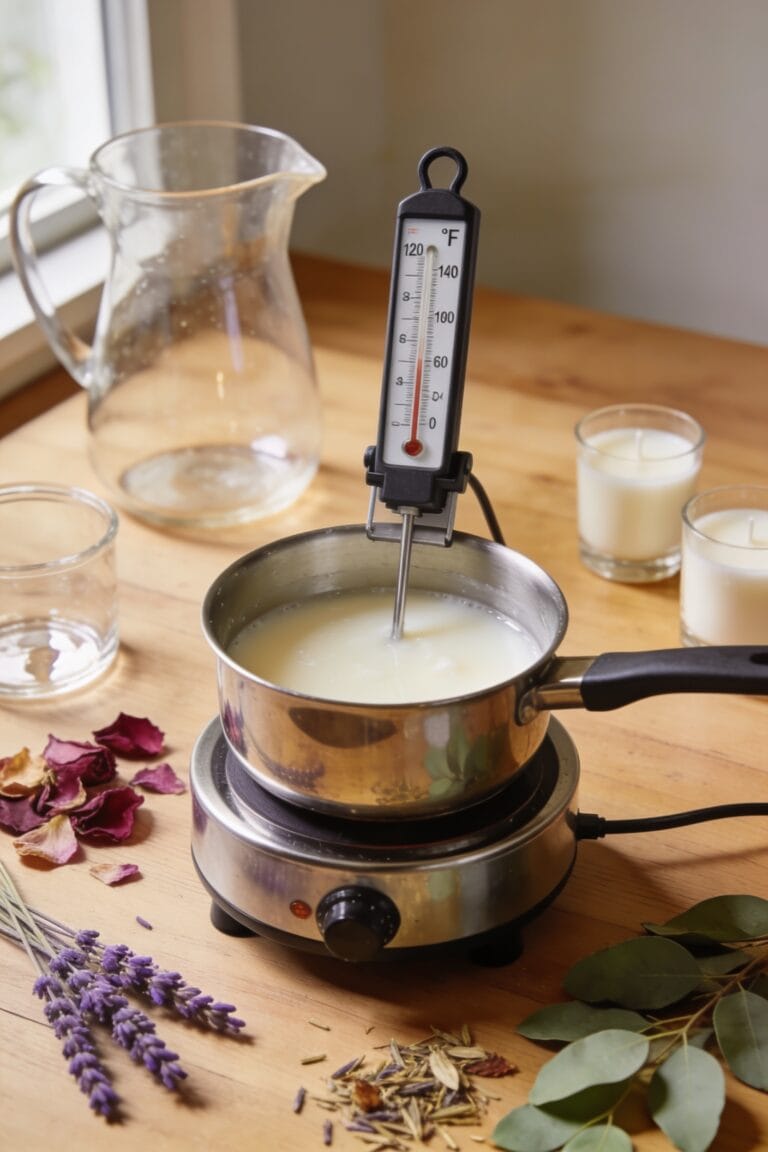
First, melt your wax to 175°-185°F using a double boiler. Once it’s completely liquid and clear, let it cool to your target temperature—usually 155°-165°F for soy. Pour fragrance oil in slowly while stirring constantly for two minutes minimum. This thorough blending prevents hot spots where pure oil pools dangerously.
For batching efficiency, I prep multiple wax batches simultaneously, adding fragrance at identical temperatures. This consistency helps with scent layering across your candle line. Cool to 120°-140°F before pouring into molds.
Flash Point: Why It Determines Your Exact Fragrance Timing
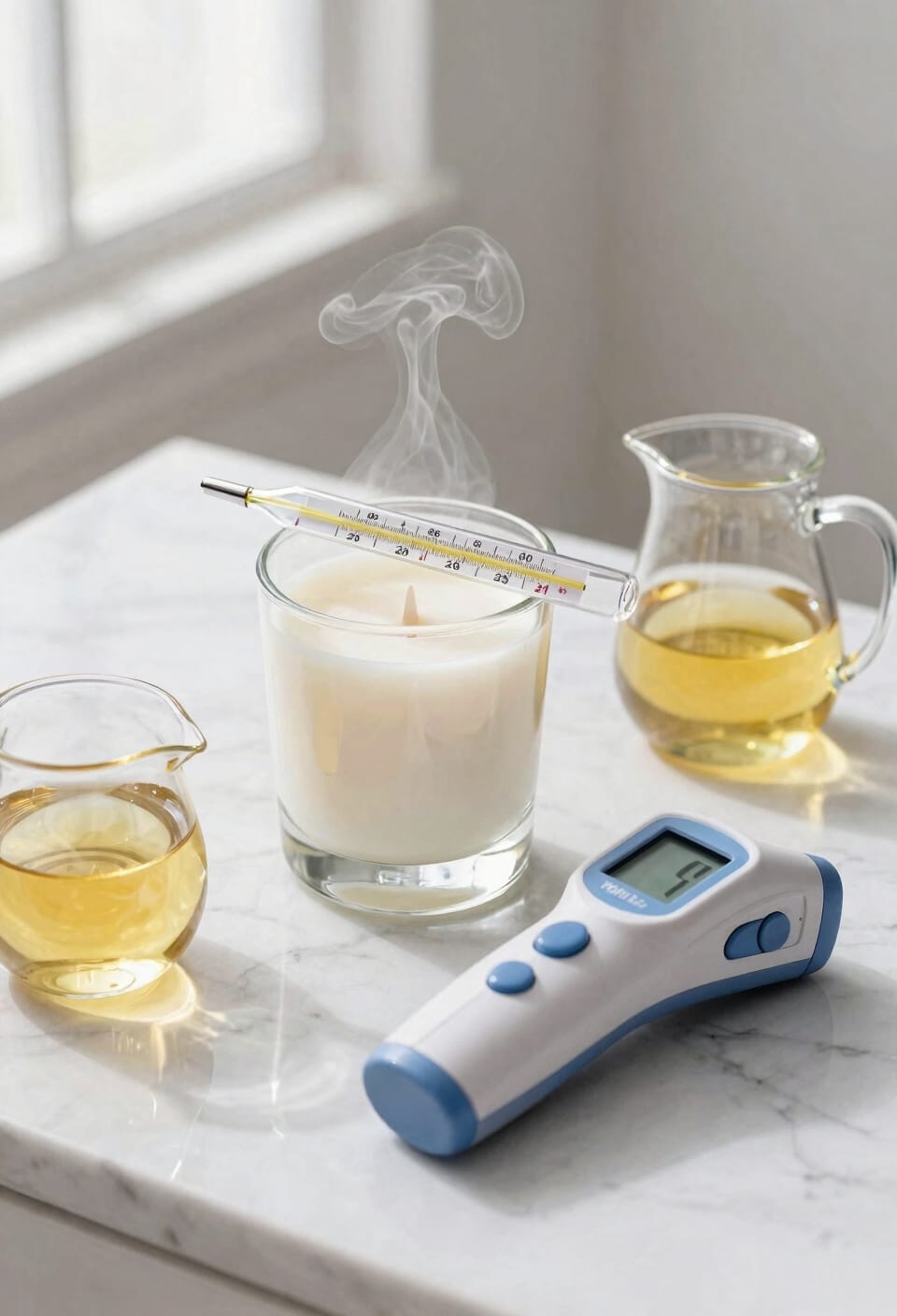
While you’ve nailed the basic melt-and-cool rhythm, there’s one invisible factor that’ll actually override everything else I’ve told you—and that’s your fragrance oil’s flash point, which is the temperature at which the oil becomes volatile enough to ignite. This is pure flash point chemistry at work. Below 130°F? Add at or below that threshold. Between 130°-180°F? Stay at or slightly below the flash point itself. Above 180°F? Never exceed it, period. I learned this the hard way after a few close calls. Understanding your specific fragrance’s flash point means better ventilation planning during your mixing process and genuinely safer candles burning in your customer’s homes. Check your supplier’s data sheet—it’s always listed there.
Recommended Products

ACCURATE FAST READINGS (No More Burned Candy) --- Our candy deep fry thermometer provides instant and accurate temperature readings within seconds. Its advanced technology ensures precise measurements, allowing you to monitor the temperature of your food with confidence.
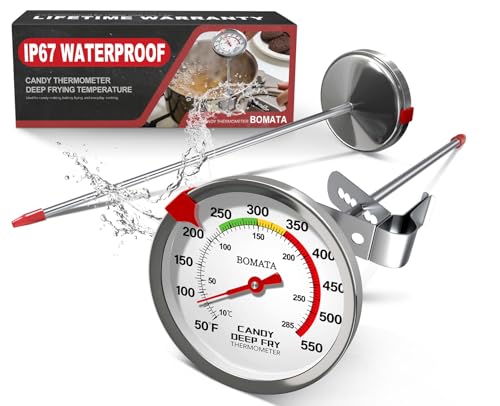
[ Fast, Accurate Reading ]: This candy thermometer gives accurate readings within seconds. With a wide range of 50°F to 550°F and ±10°F (±5°C) accuracy, it’s a reliable candy-making companion. Note: Please insert the probe deeper than 1.4in

[ Pot Clip Design, Rotatable Digital Screen ] This digital candy thermometer can be fixed to the pot with the clip and the display screen can be rotated to a suitable angle. This frees your hands to focus on cooking and reads clearly and easily.
When to Add Fragrance: The 185°F Safety Rule
When wax stays too cool, fragrance pools instead of fully incorporating. Those pockets of pure oil? They’re your ignition prevention nightmare. They’ll burn hotter, faster, and unpredictably once someone lights your candle. This safety protocol isn’t optional—it’s foundational.
I know 185°F feels hot. It is. But it’s your guarantee that every molecule of fragrance binds evenly throughout the wax. Cool pours all you want after blending, but get that temperature right first.
Fragrance Load Ratios and How Much Affects Temperature Timing
The amount of fragrance you’re adding to your wax actually matters for temperature timing, and this is where a lot of candle makers get tripped up—they think fragrance load (that’s the percentage of scent oil mixed into your wax by weight) is just about how strong your candle smells, but it’s also a thermal consideration that can shift when and how hot you need to go. Here’s the thing: heavier loads like vanilla at 6% demand slightly hotter wax, sometimes pushing toward 200°F, because the oil needs more thermal energy to fully disperse through the wax structure. Standard 8-10% loads work fine at 185°F. Load scaling affects aroma retention and scent saturation differently depending on your base wax. More fragrance means more molecules competing for space, so percentage effects compound—thicker, viscous oils especially need that extra heat for even distribution. Underheat a heavy load and you’ll get cold spots where scent pools unevenly.
Recommended Products
![VINEVIDA [128 Oz] Scent No.3715; Fragrance Oil for Candle Making and Soap Making - Premium Candle Scents for Soy Candles](https://m.media-amazon.com/images/I/31L5k3TD43L._SL500_.jpg)
Versatile Uses: Perfect fragrance oil for candle making; ideal for soy wax, soap making, perfume making, body butter, car freshies; create professional quality scented products with these concentrated essential oil alternatives
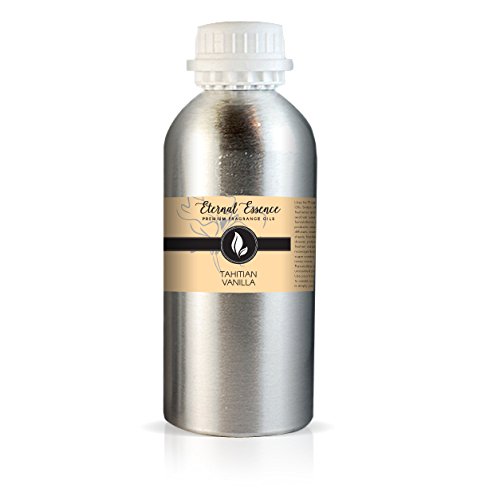
This Fragrance Oil invites in the soft and sweet aroma of a Tahitian Island breeze. Our stylish and high quality 16oz Aluminum Bottles with tamper evident ring and cap are lightweight and durable.

OIL USES: Designed for but not limited to candle scents for candle making (especially works well with soy wax candle making), diffuser oil scents, freshie scents, oils for laundry, soap making supplies, slime scents, oils for skin, perfume oil, bath and body formulations, bath bombs, and many more essential DIYs.
5 Timing Mistakes That Cause Weak Throw and Leaking
Most weak throw and leaking issues trace back to one core mistake: adding fragrance oil at the wrong temperature, which prevents the scent from binding properly to the wax and lets the oil separate during cooling. I’ve watched fragrance pools form at the bottom of containers, turning into container sweating—that greasy film on the outside—because I rushed and added oil when the wax was too cool. Too cold, and the oil won’t incorporate evenly. Too hot below 185°F, and you risk poor blending that causes wick tunneling, where only the center burns. Add between 185°-200°F instead. Your candles’ll throw better, stay put, and actually perform as intended.
Recommended Products

【Premium Material】Our beeswax pellets are sourced from quality farms, carefully selected to ensure high standards.

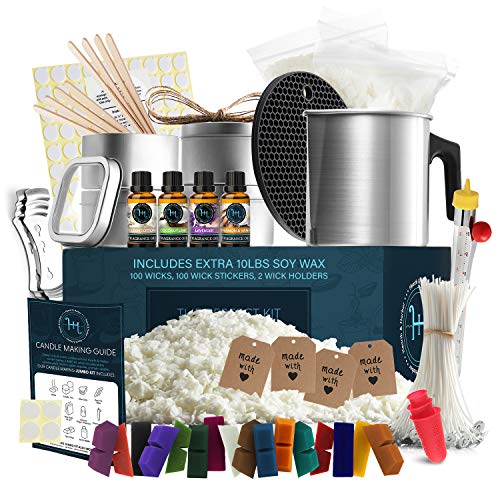
CANDLE MAKING STARTER KIT: Kit Inclusions: 4 8oz soy wax bags, 16 dye blocks, 4 10ml fragrance oils, melting pot, trivet mat, thermometer, 2 round and 2 square 8oz candle tins with covers, 4 cotton wicks, 4 glue dots, 4 warning labels, 4 stirring sticks, 4 bow tie clips, 3 finger protectors, and 4 pieces of kraft card with 18-inch-long string. Includes Everything you need to make your own candles.
Common Viscosity Issues and Temperature Fixes
If you’ve ever poured fragrance oil into wax that felt like trying to mix honey into cold peanut butter, you’ve hit a viscosity problem—and it’s more common than you’d think. Warmed viscosity is your fix. Heavier scents like vanilla need slightly hotter wax, up to 185°-200°F, which opens the wax structure and lets oil blend smoothly. Stirring techniques matter too. Don’t just stir halfheartedly—use slow, deliberate circular motions for two to three minutes, reaching the bottom corners where unmixed pockets hide. If your fragrance still feels gloppy, your wax isn’t warm enough. Raise it another five degrees and try again. Patience with temperature beats fighting stubborn oil every time.
Frequently Asked Questions
Can I Add Fragrance Oil to Already-Cooled Wax and Reheat Without Damaging Scent?
I wouldn’t recommend it. Re-melting effects can diminish your scent concentration markedly. You’ll risk volatile fragrance loss during reheating, compromising your candle’s throw and overall performance quality.
How Long Should I Stir Fragrance Oil Into Wax for Complete Blending?
I’d recommend stirring for 2-3 minutes using slow, deliberate blend techniques. You’ll want consistent stirring duration to guarantee the fragrance oil fully incorporates throughout your wax, preventing uneven scent distribution in your finished candle.
What Happens if I Accidentally Exceed the Fragrance Oil Percentage Ratio?
If you exceed the fragrance oil ratio, you’ll experience scent saturation that paradoxically reduces throw, risks wick clogging, and creates safety concerns. I’d recommend staying within 8-10% to avoid these issues.
Can I Use a Thermometer Other Than a Candy Thermometer for Accuracy?
I’ve found that just when I thought candy thermometers were my only option, I discovered digital probe and infrared thermometers work excellently for candle wax temperatures. They’re actually more accurate and faster than traditional candy thermometers.
Does Adding Fragrance at Higher Temperatures Affect the Final Candle Color?
Yes, I’ve found that higher temperatures can cause subtle color shift through dye interaction. When you add fragrance at 185°-200°F, the intensified heat may slightly alter how pigments bond with wax, potentially deepening or shifting your candle’s final hue.
Conclusion
I once ruined an entire batch by adding fragrance at 200°F—coincidentally the same temperature I’d used successfully months before on a completely different wax. You’d think I’d learned. The takeaway? Temperature isn’t one-size-fits-all. Get it right for your specific wax type, nail that fragrance load, and you’ll finally stop wondering why your candles smell like nothing. You’ve got this.