As an Amazon Associate, we earn from qualifying purchases. Some links on this site are affiliate links at no extra cost to you. Our recommendations are based on thorough research and editorial judgment.

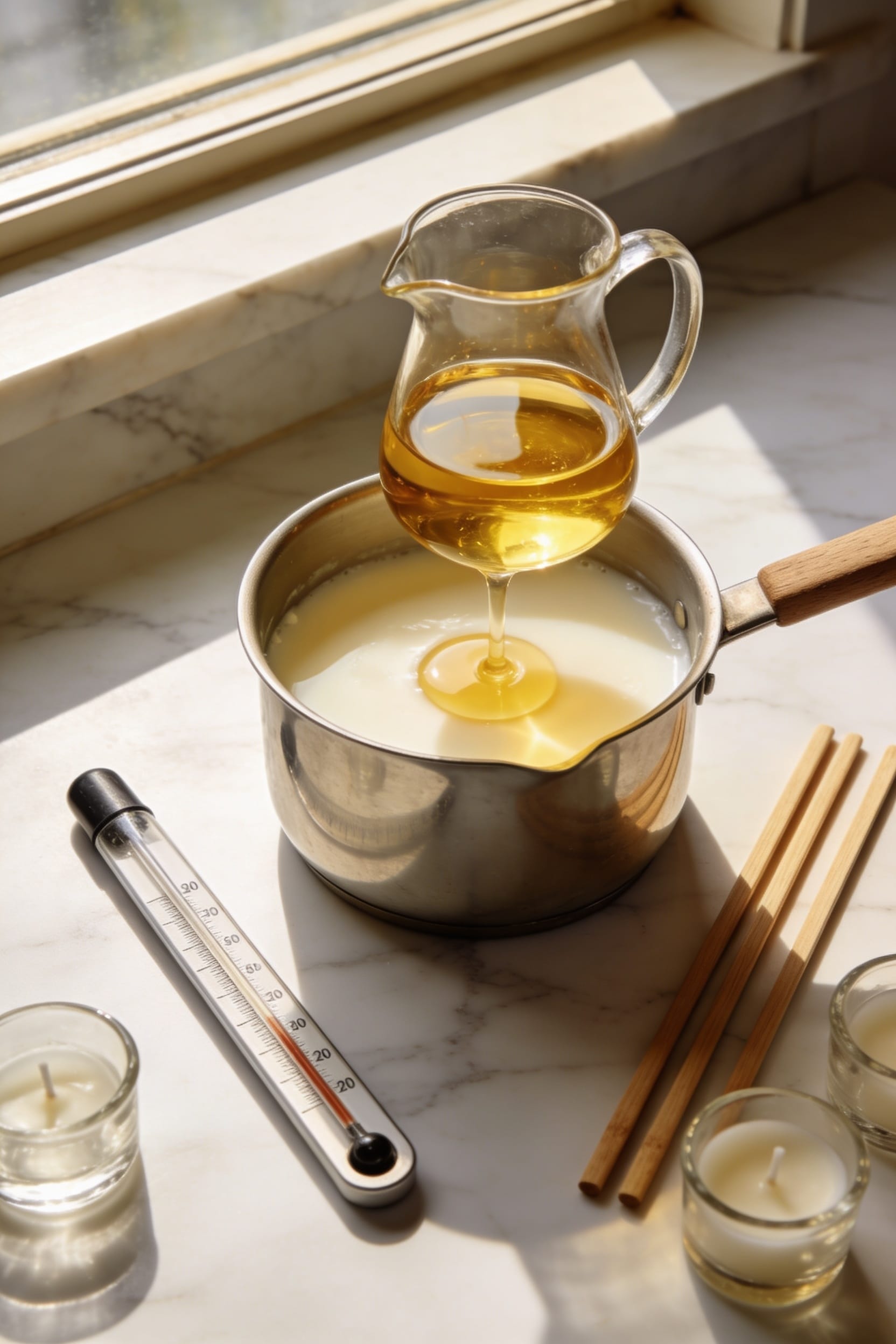
Candle Fragrance Not Mixing With Wax? Here’s Why and How to Fix It

Look, fragrance not binding usually means you’re either overloading the wax (stick to 8–10%), adding oil at the wrong temperature, or using a fragrance formulated for something else entirely. I’ve ruined batches by pouring too hot, stirring too hard, and grabbing whatever oil was cheapest—all fixable mistakes. The trick’s matching your fragrance type to your specific wax, hitting that 175°F sweet spot before stirring gently, then actually waiting for cure time (7–14 days for soy). Scroll down and I’ll show you exactly how to diagnose what went wrong with yours.
Key Takeaways
- Verify fragrance oil compatibility with your specific wax type, as mismatched formulations prevent proper bonding and dissolution.
- Maintain precise temperatures: heat wax to 185°F, cool to 175°F before adding fragrance to ensure optimal molecular bonding.
- Stir slowly for 3–5 minutes using gentle, deliberate motions to avoid air bubbles and uneven fragrance distribution throughout wax.
- Limit fragrance load to 8–10% maximum, as excessive oils exceed wax’s capacity to hold fragrance molecules effectively.
- Allow adequate curing time—7–14 days for soy wax, 2–3 days for paraffin—so fragrance molecules fully bond with wax.
The Five Root Causes of Poor Fragrance Binding
When your candle smells like almost nothing—or worse, smells like disappointment—it’s usually not because you picked the wrong scent or bought bad wax, though those things happen. More often, fragrance simply isn’t bonding with your wax. I’ve found five culprits lurking in most failed batches. First, you’re probably exceeding your fragrance load—that’s the percentage of scent oil mixed into melted wax, typically capped at 8-10%. Second, oil chemistry matters; not all fragrance oils are created equal. Supplier verification is essential here. Third, your wax might be cloudy, meaning it’s not homogeneous. Fourth, you’re using incompatible oils. Fifth, temperature mismatches during mixing sabotage everything. Address these, and your scent throw improves dramatically.
Recommended Products

SCENT - Chamomile Lavender features lavender with warm & enveloping bergamot. Calming chamomile melts into a heart of eucalyptus to create a feeling of well-being. Smoky patchouli is enhanced by hints of sage & rosemary for a quiet, relaxing finish.
![VINEVIDA [128 Oz] Scent No.3011; Fragrance Oil for Candle Making and Soap Making - Premium Candle Scents for Soy Candles](https://m.media-amazon.com/images/I/31Z-0b7xm7L._SL500_.jpg)
100% NATURAL SOY WAX : Hand-poured in small batches with natural soy wax and premium fragrance oils for a clean and long-lasting burn
Why Temperature Kills Fragrance-Wax Bonding
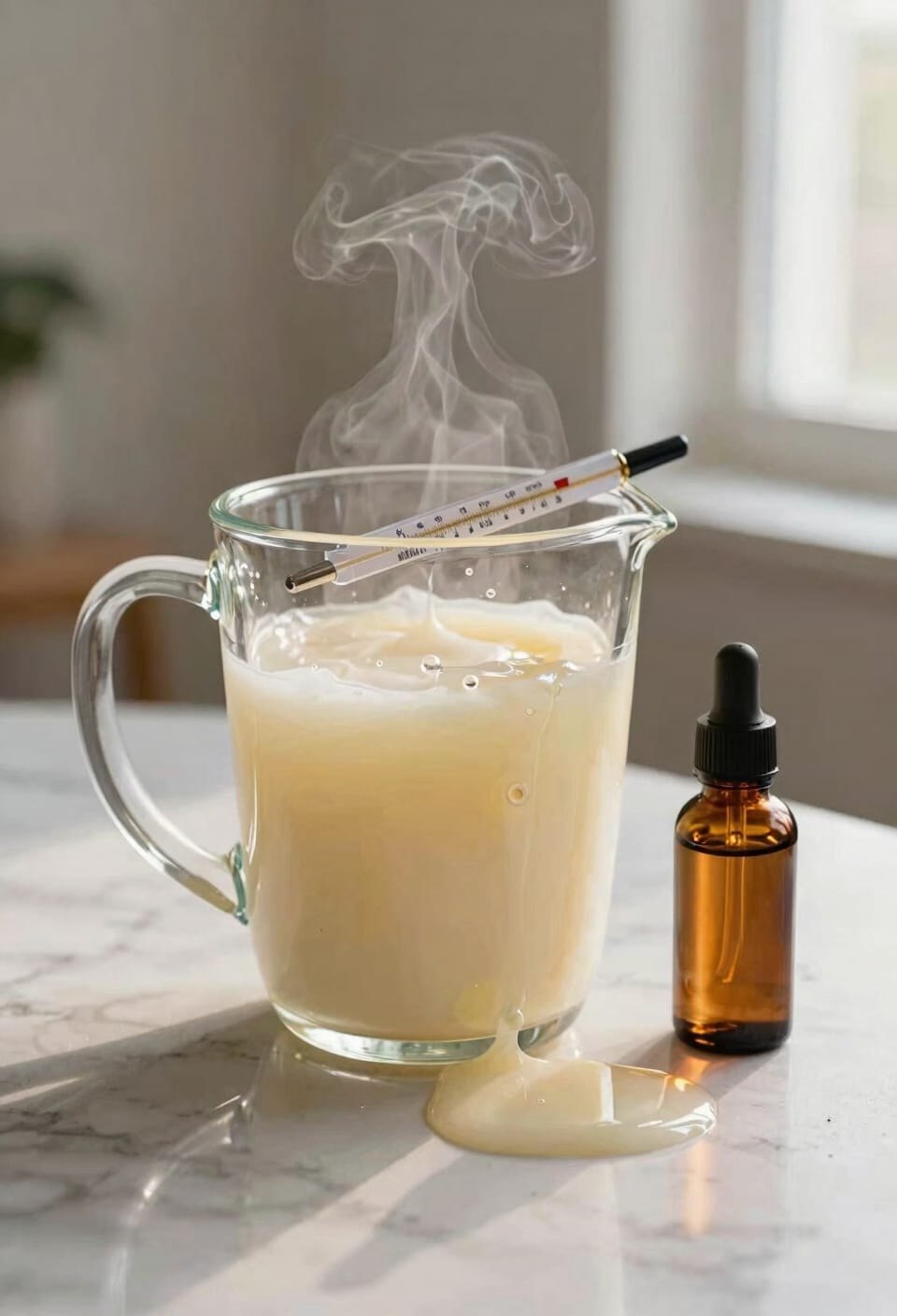
Of those five culprits I just mentioned, temperature is perhaps the sneakiest—it doesn’t announce itself like a cloudy batch does, and you won’t catch it by reading a label. Here’s the thing: fragrance oils are volatile, meaning their aromatic compounds evaporate easily, especially when exposed to extreme heat or cold. Add fragrance to wax that’s too cool, and you’ve created a temperature gradient—a mismatch where the oil won’t properly dissolve into the wax molecules. Overheat your wax, and you’re literally burning off the scent before it ever bonds. I’ve poured batches at 160°F thinking I’d save time, only to watch the fragrance separate and rise to the surface. Heat your wax to 185°F, cool it to 175°F, then add your fragrance. That sweet spot matters more than you’d think.
Mixing Mistakes That Prevent Fragrance Binding
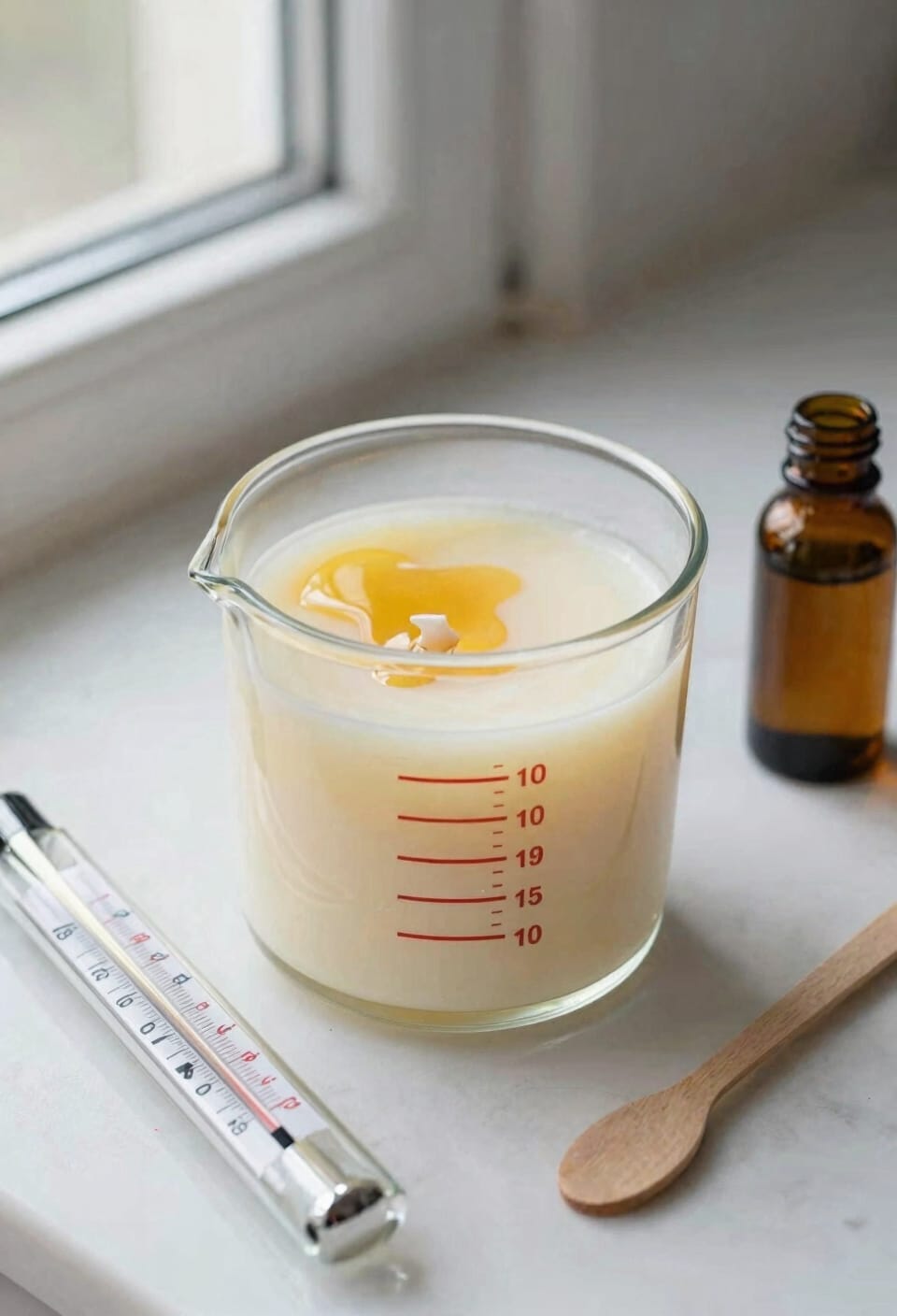
All right, so you’ve nailed the temperature part, but now comes the part that’ll actually make or break your batch: how you stir. I’ve seen people treat their wax like they’re making concrete—vigorous, aggressive mixing that introduces air bubbles and creates fragrance layering instead of actual blending. That’s not what you want. Slow, deliberate stirring for three to five minutes distributes your fragrance evenly throughout the wax. Over stirring effects are real: you’ll trap tiny air pockets that’ll show up as tiny white specks in your finished candle. And uneven distribution means some areas smell amazing while others smell like nothing. Stir deliberately. Not lazily, but not frantically either.
Recommended Products

Wax Melting Pot with 17.5 LBS Capacity of Wax! Spoon included! Super-Fast Technology can melt Soy Wax, Paraffin, Coconut & Beeswax in record time. You'll be surprised why you didn't have a large wax melter like this earlier. Easy to use thermostat can be set anywhere from a Warm - 400 degrees F.

All-In-One Starter Kit – Everything you need to dive into candle making! Our Etienne Alair soy candle wax for candle making includes 50 lbs of smooth soy wax flakes, 100 cotton wicks, 100 adhesive stickers, and 2 centering tools. Perfect for beginners or seasoned DIYers.

【UPGRADE VERSION】TOAUTO V3 Wax Melter with stainless steel ball valve and upgrade inner tank design -- will not freeze up with wax inside the pot, NOT CLOGGY, NO NEED HEAT GUN ANYMORE! If you have a medium consistency of candle orders, this is well worth it to make things easier.If you are thinking of starting a small candle business this is ideal.
Matching Fragrance Oils to Your Wax Type (Why Mismatch Kills Binding)
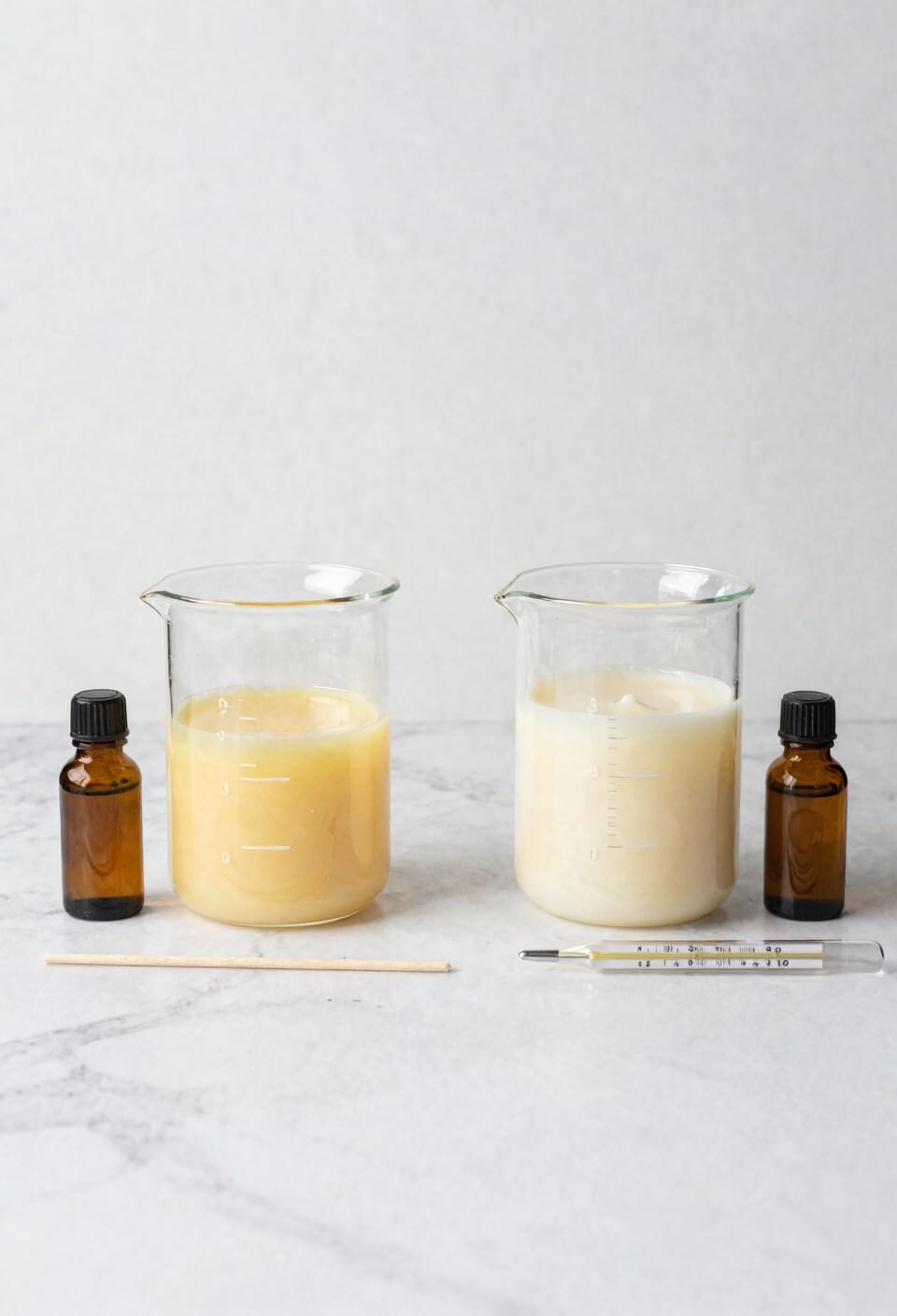
I once bought a gorgeous floral fragrance oil that smelled incredible in the bottle, only to discover it was formulated for reed diffusers, not candles, and it basically refused to bind with my soy wax no matter how perfectly I heated and stirred. Here’s the thing: fragrance polarity matters enormously. Soy wax and paraffin have completely different chemical makeups, which affects how fragrance oils dissolve into them. A fragrance designed for paraffin won’t have the right wax solubility in soy, and vice versa. You’ll also encounter aroma volatility issues—oils formulated for body products burn off faster under candle heat. Before buying fragrance, check the label. It’ll specify which wax types it’s compatible with. Blend compatibility isn’t negotiable; mismatch guarantees poor binding and weak scent throw.
Recommended Products

HIGHEST QUALITY - Our candle fragrance MADE IN THE USA using pure, natural, and raw ingredients. All VINEVIDA products are vegan, free of phthalates, parabens, and other potentially dangerous chemicals.
![VINEVIDA [128oz] Birthday Cake Fragrance Oil for Soap Making Scents for Candle Making, Perfume Oils, Soy Candles, Bath Bombs, Slime, Car Freshies, Car Spray, Lotion, Linen Spray, Laundry, Kitchen](https://m.media-amazon.com/images/I/31z0YuAiwQL._SL500_.jpg)
HIGHEST QUALITY - Our scents and fragrances are skin-safe (when diluted) MADE IN THE USA using pure, natural, and raw ingredients. All VINEVIDA products are vegan, free of phthalates, parabens, and other potentially dangerous chemicals.

MASSIVE 8" × 14" LUXURY CANDLE – 300 OZ OF NATURAL COCONUT SOY WAX Make a statement with this Classic Big Ass Candle—our largest candle. This luxury candle delivers bold presence, elegant style, and room-filling fragrance. Perfect as a centerpiece for living rooms, great rooms, and upscale spaces.
Curing Time and Fragrance Bonding
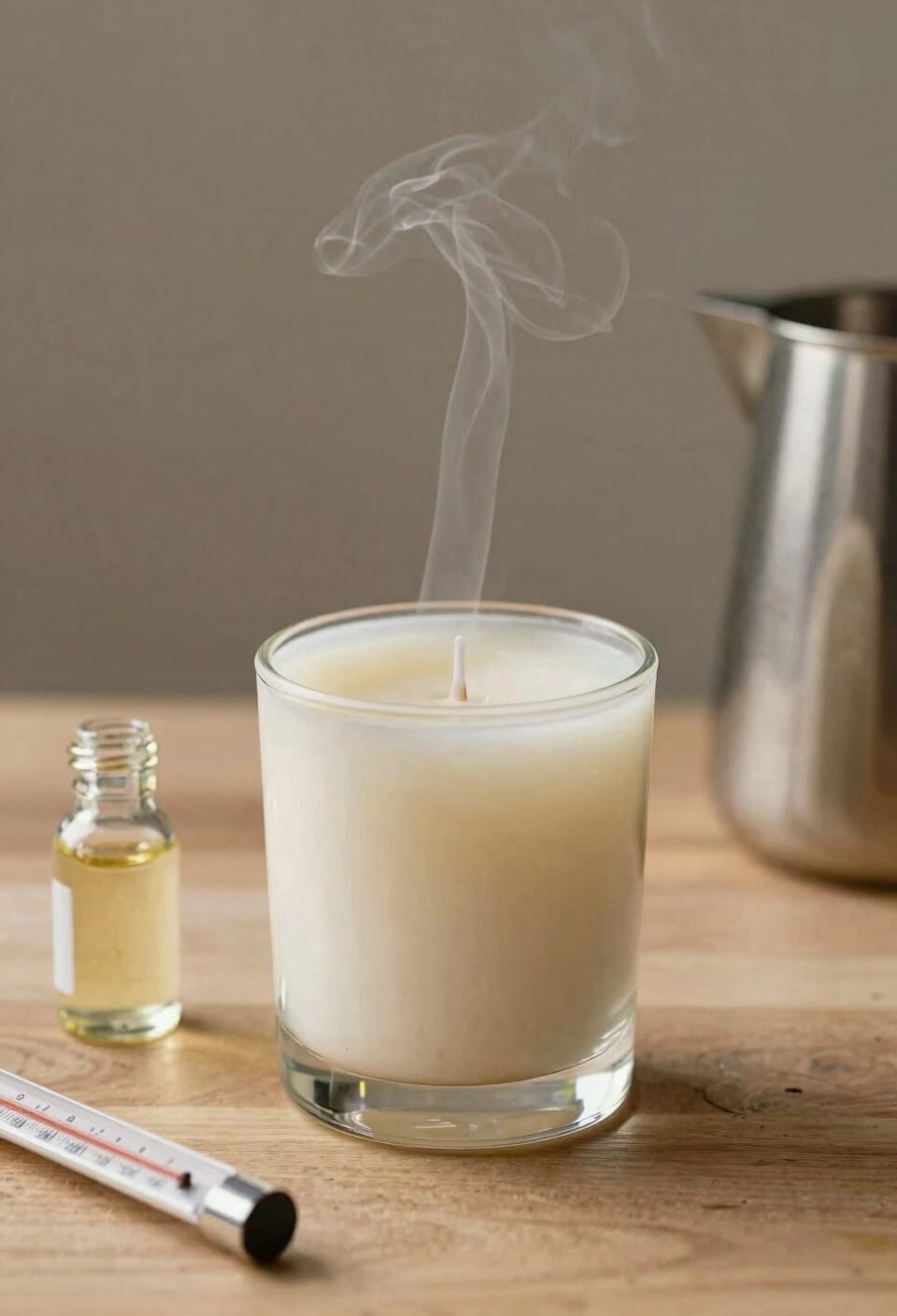
When you pour your fragrance into melted wax and stir it perfectly, you might think you’re done—but here’s where patience becomes your secret weapon. The curing chemistry—that’s the process where fragrance molecules bond with wax molecules over time—doesn’t happen instantly. Soy waxes need 7-14 days for proper scent maturation, while paraffin and parasoy blends typically require 2-3 days. I’ve learned this the hard way by testing candles too early and thinking I’d messed up the fragrance load when really I just hadn’t waited. Skipping the cure means your wax molecules haven’t settled enough to trap and hold the scent properly. Give it time. Your patience directly impacts how well your candle throws fragrance when it burns.
How to Add Fragrance Oil Without Ruining Your Batch
Now that you understand why patience matters in the curing process, let’s talk about the moment that actually determines whether your fragrance will bond properly in the first place: adding the oil itself.
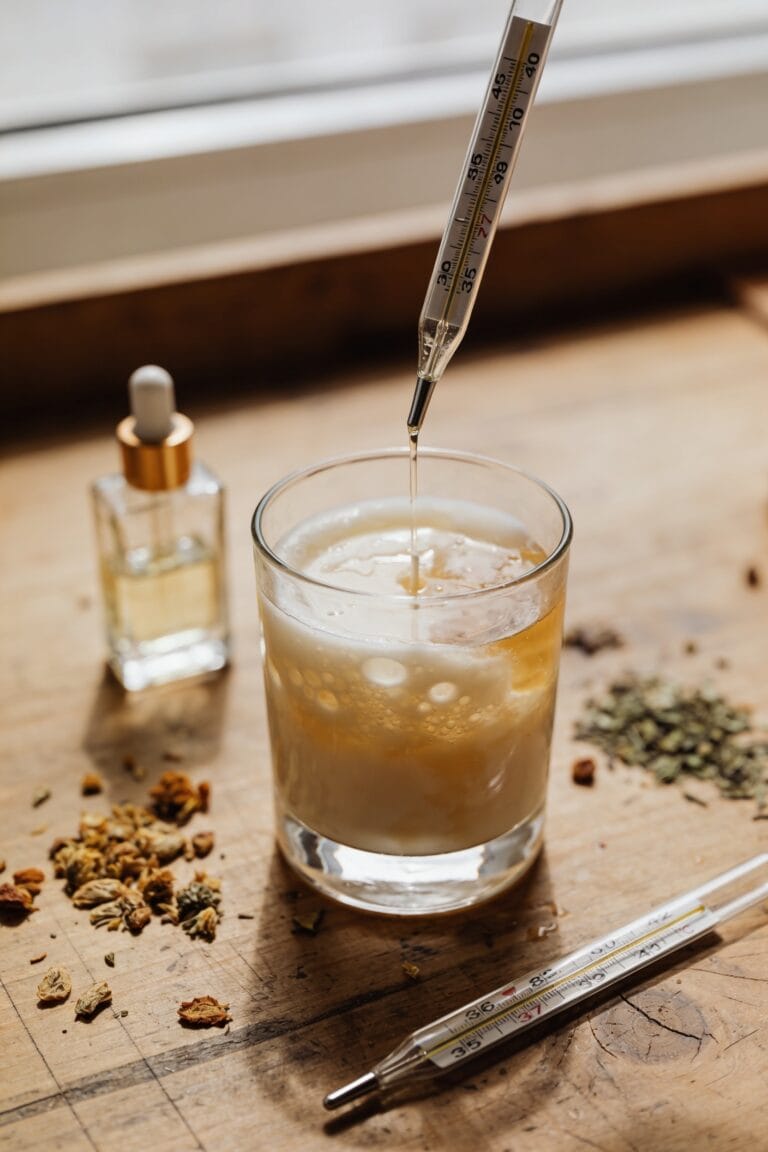
All right, here’s what I’ve learned from plenty of ruined batches. Heat your wax to 185°F, then let it cool to 175°F before pouring fragrance in. Pre heating oils slightly—just warming them gently—helps them integrate smoothly into cooler wax without shocking the batch. Stir slowly but thoroughly for a full minute. Don’t rush this step.
Fragrance layering, or adding oil gradually rather than all at once, gives you better control and homogeneity. Add half your fragrance load, stir completely, then add the remainder. You’re preventing lumps and ensuring even distribution. That’s honestly the difference between a salvageable candle and a cloudy disaster.
Recommended Products

COMPLETE POTTERY + CANDLE MAKING SET: Includes all pottery sculpting & candle making supplies you need to easily craft a beautiful custom candle at home. The perfect beginner arts & crafts gift, hobby idea, and romantic date night surprise.

COMPLETE POTTERY + CANDLE MAKING SET: Includes all pottery sculpting & candle making supplies you need to easily craft a beautiful custom candle at home. The perfect beginner arts & crafts gift, hobby idea, and romantic date night surprise.

Bliss Wax is blend of soy wax (60%) and Food Grade paraffin wax (40%) . This superb wax comes in granular form for easy measuring, scooping, and use. This wax is great for tarts/wax melts, votive candles, and pillar candles. This wax has excellent fragrance retention and produces both a great cold and hot throw.
Diagnose Your Binding Problem: A Troubleshooting Flowchart
If your candle’s fragrance isn’t mixing properly with the wax, you’ve got a detective job on your hands—but the good news is that most binding failures follow predictable patterns, and once you know what to look for, you can figure out exactly where things went sideways.
Here’s the thing: I’ve built a flowchart overview that walks you through key decision checkpoints. Start by asking yourself three questions. First, did you exceed your fragrance load—that’s the percentage of scent oil you’ve added, typically capped at 8-10%? Second, what temperature was your wax when you poured? Third, how long have you actually let it cure? Each answer narrows down your culprit, whether it’s temperature, incompatible oils, or simply impatience.
Recommended Products

King of Floral Essential Oils - Because of its highly fragrant aroma Jasmine Oil is regarded as leader of Floral Scented Oils throughout the aromatherapy industry. It belongs to the Oleaceae botanical family and has a warm, musky, sweet, exotic, euphoric aroma that uplifts mood, creates a romantic mood and also increase self-confidence.
![VINEVIDA [128 Oz] Scent No.3010; Fragrance Oil for Candle Making and Soap Making - Premium Candle Scents for Soy Candles](https://m.media-amazon.com/images/I/317iHilltgL._SL500_.jpg)
![VINEVIDA [128 Oz] Scent No.3016; Fragrance Oil for Candle Making and Soap Making - Premium Candle Scents for Soy Candles](https://m.media-amazon.com/images/I/31eDg3sHSxL._SL500_.jpg)
Frequently Asked Questions
Can I Salvage a Batch of Candles With Poor Fragrance Binding by Remelting?
Yes, you can salvage your batch through remelt techniques for scent rejuvenation. I’d recommend reheating to 185°F, adding fresh fragrance oil carefully, stirring thoroughly, then recuring properly before burning.
How Long Should I Wait Before Testing Scent Throw on Newly Poured Candles?
I’d recommend waiting 7-14 days for soy wax or 2-3 days for paraffin blends before throw testing. This curing time lets wax molecules settle and properly trap fragrance, giving you accurate scent results.
What’s the Difference Between Fragrance Oil Quality Grades and How Does It Affect Binding?
You get what you pay for, and fragrance oil’s purity grading directly impacts binding. I’ve found that supplier transparency about grading standards reveals fillers weakening your scent throw—premium oils bind better to wax molecules than watered-down alternatives.
Does Container Size or Shape Impact How Fragrance Oils Bind to Wax?
Container dimensions don’t directly affect fragrance binding to wax, but they influence how well your candle performs. I’ve found wick placement matters more—it determines melt pool size, which controls scent throw and fragrance release during burning.
Why Does My Fragrance Smell Different in the Candle Than in the Bottle?
You can’t judge a book by its cover. Your fragrance smells different because heat destabilizes certain aromatic compounds, olfactory fatigue dulls perception, and chemical interactions with wax alter the scent profile compared to what you’re experiencing in the bottle.
Conclusion
Look, I’ve poured batches where the fragrance just… vanished. Turns out I’d been matching soy wax with paraffin-friendly oils—a rookie move I won’t repeat. Now I match my fragrance oils to my wax type, nail the temperature, and actually wait for cure time before deciding something’s broken. You’ll waste less wax, fewer candles’ll smell like nothing, and you’ll actually enjoy this hobby instead of cursing it.