As an Amazon Associate, we earn from qualifying purchases. Some links on this site are affiliate links at no extra cost to you. Our recommendations are based on thorough research and editorial judgment.

Soy Wax Cure Time: How Long Before Your Candle Smells Its Best

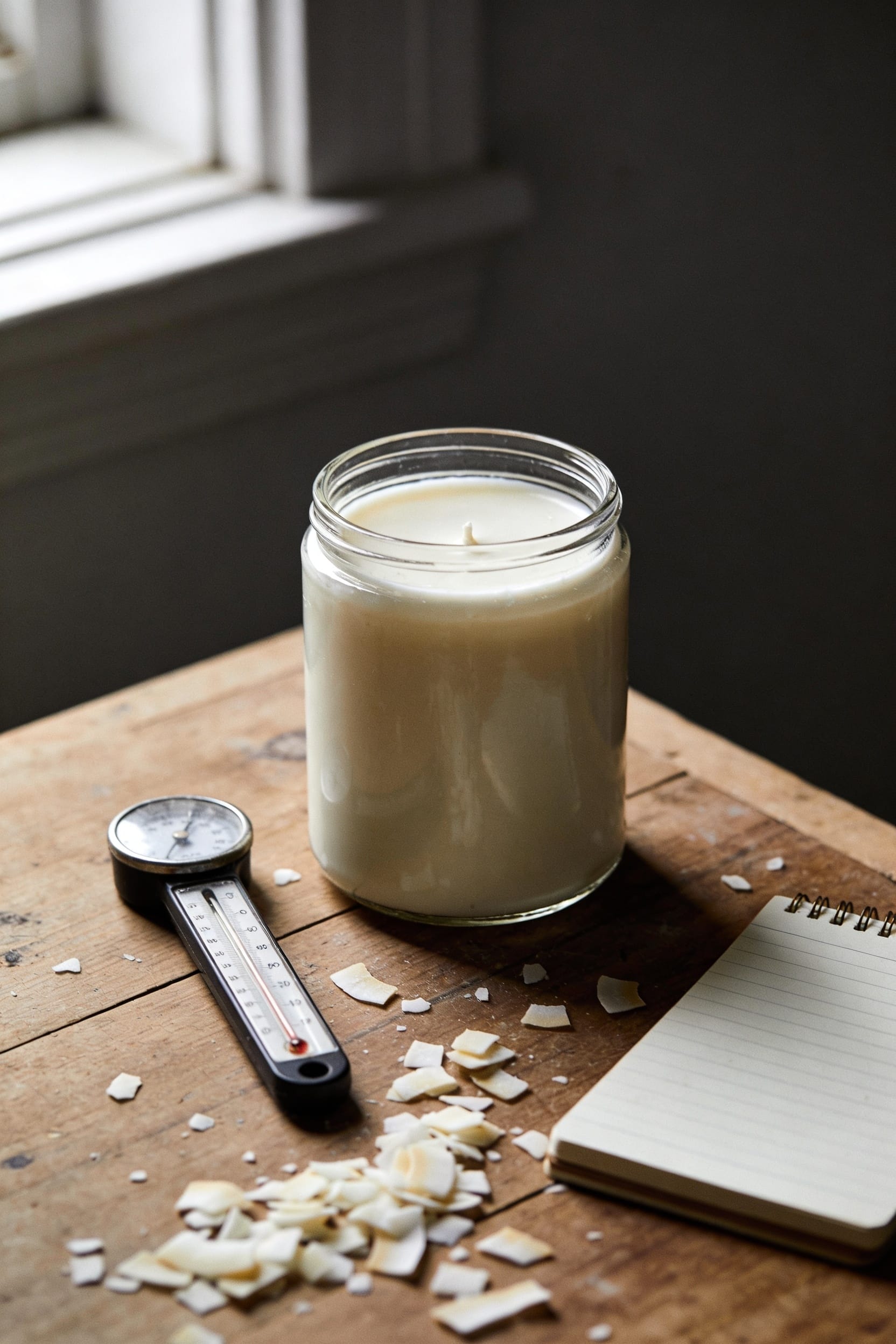
Soy wax needs at least 72 hours to cure—that’s the bare minimum—but I’ve found that waiting a full 1–2 weeks gives you the room-filling scent throw you’re actually after. Here’s why: fragrance molecules need time to lock into the wax structure, and rushing it leaves you with a candle that barely smells when lit. The longer cure lets scent saturation happen properly, transforming that day-three whisper into a day-seven powerhouse. Your future burns will thank you.
Key Takeaways
- Pure soy wax requires 1–2 weeks minimum cure time for optimal scent throw and fragrance saturation.
- Fragrance molecules need time to lock into the wax structure; 72 hours is minimum, not ideal.
- Add fragrance at 80–85°C and pour at 125–135°F to ensure proper molecular binding during cure.
- By day 7, properly cured candles transition from faint scent to full room-filling fragrance performance.
- Wax blends affect cure timeline: coconut-soy cures fastest at 72 hours; pure soy needs full week.
The Minimum Soy Candle Cure Time You Actually Need
When you pour your first soy candle, the hardest part isn’t actually the pouring—it’s waiting. I learned this the painful way after labeling mistakes cost me an entire batch. Here’s the thing: soy wax needs a minimum of 72 hours to cure, which means the wax fully hardens and the fragrance bonds properly. But honestly, I don’t recommend stopping there. One to two weeks gives you the best scent throw—that’s how strong your candle smells when lit or cold. Storage humidity matters too; keep cured candles in a dry place around 60-65% humidity. Rushing past that 72-hour minimum might save time, but you’ll sacrifice performance. Patience pays off.
Recommended Products

Fast Melt 60 Candles for You: Achieving a rush order for a bulk order was made easy. TOAUTO 30Lbs wax melter can melt 30Lbs of candle wax and make 60 8-ounce candles at a time, greatly reducing your production time and making mass production of candles piece of cake. it's time to consider investing in a fully functional candle maker machine!

Fast Melt 80 Candles at A Time: The TOAUTO WMF-10L digital wax melter can handle a rush order for bulk candle production. It can melt 10 quarts of candle wax and create 80 4-ounce candles at a time, significantly reducing production time and making mass production easier.

Effortless Wax Draining: Bid farewell to wasted wax with our wax melter's bottom liquid outlet. This feature ensures that every last drop of wax is utilized, allowing the wax liquid to flow smoothly to completion. Say goodbye to the frustration of leftover wax residue and hello to uninterrupted crafting sessions.
Why Waiting Longer Delivers Better Scent Throw
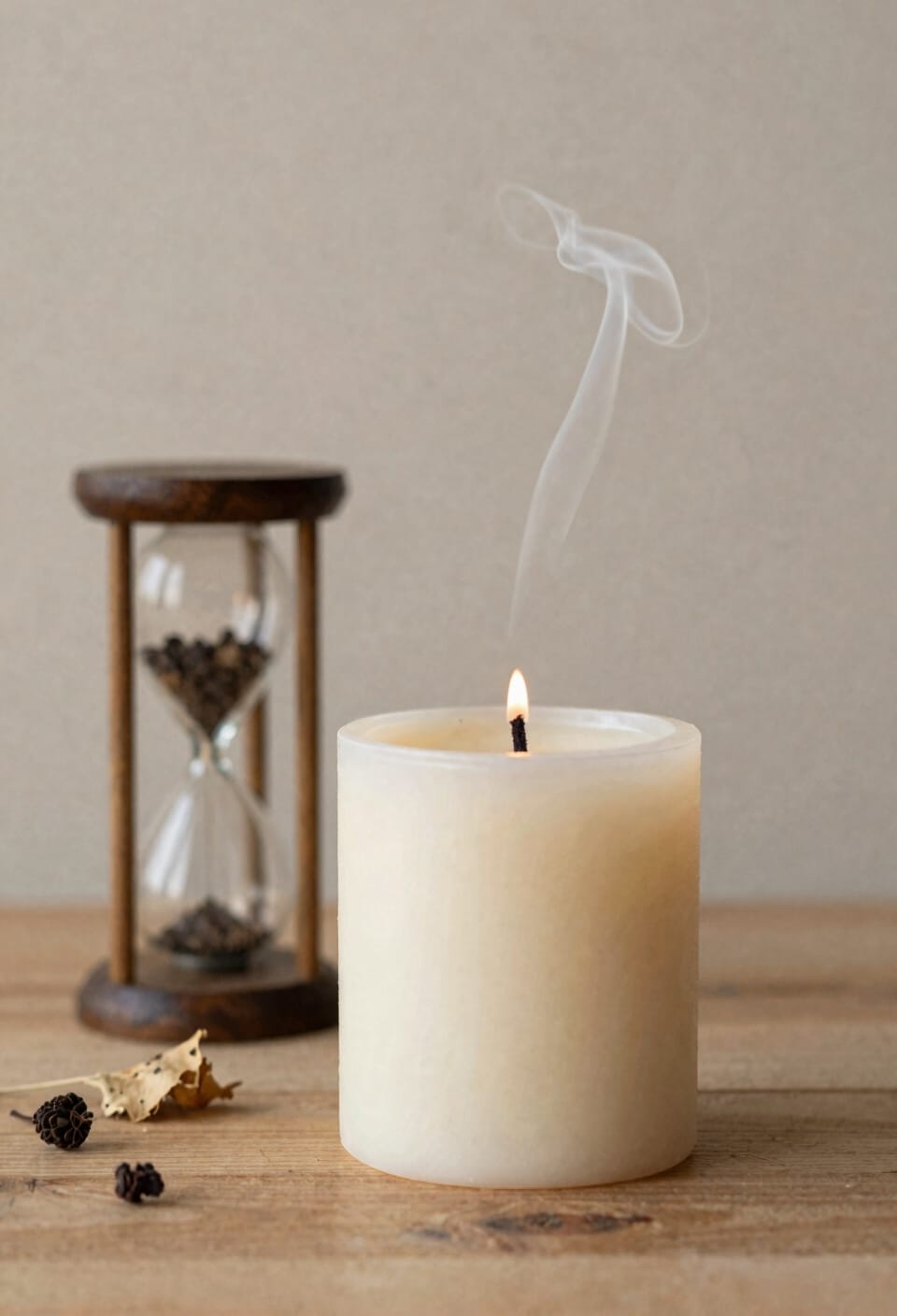
You know that 72-hour minimum I mentioned? That’s just your candle’s foundation. Here’s the thing: waiting the full 1-2 weeks transforms everything through scent saturation and molecular binding. When you rush it, fragrance oil molecules haven’t fully locked into the wax structure yet. They’re still settling, still finding their places. I’ve learned this the hard way—burned a freshly poured candle at day three and got barely a whisper of scent. Come back at day seven, and the same candle fills an entire room. That’s not magic; it’s chemistry. The longer cure allows complete molecular binding, so fragrance releases steadily and powerfully when lit. You’re not just waiting around—you’re building the difference between an okay candle and one people actually remember.
Getting Fragrance and Pour Temperatures Right
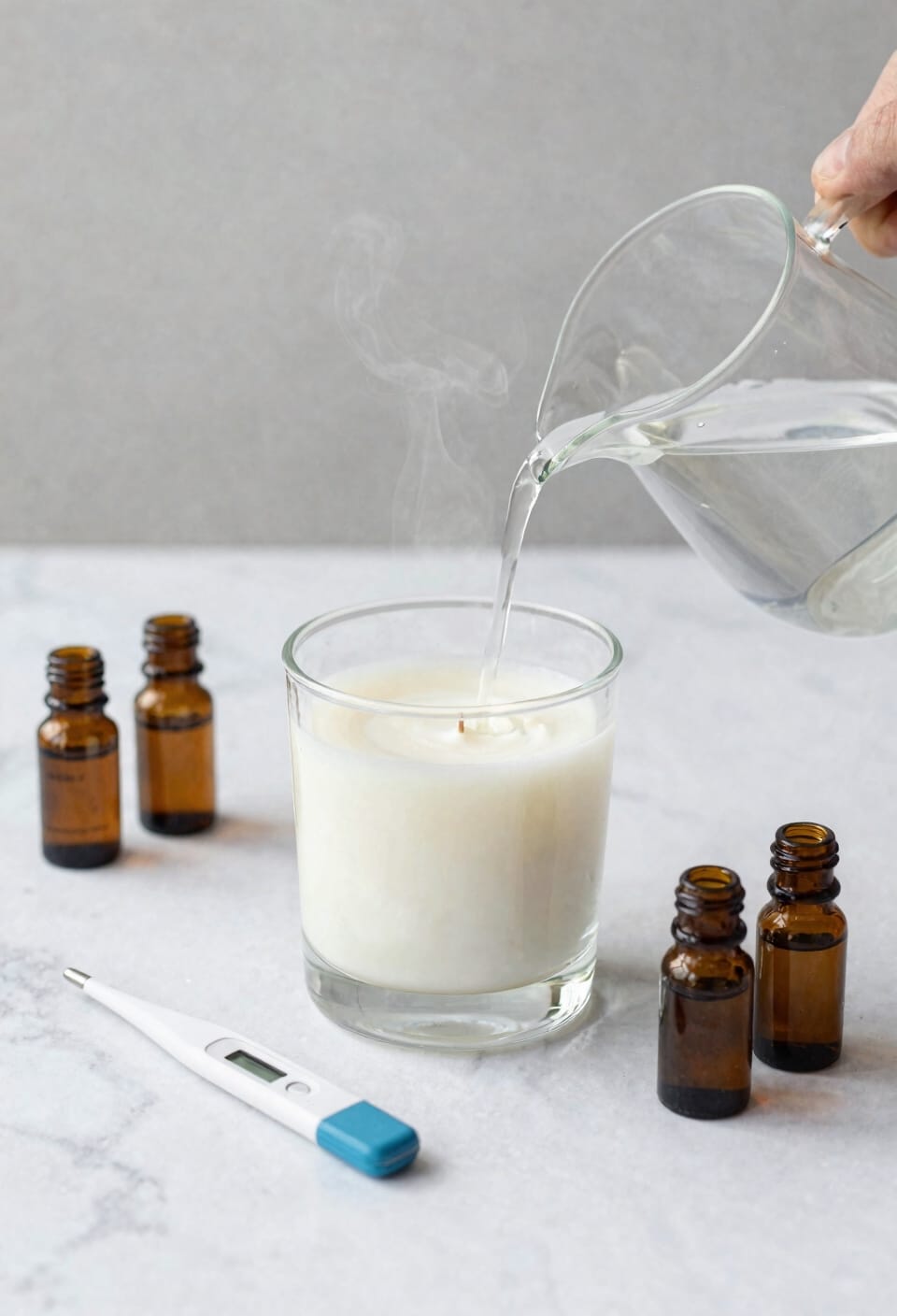
One for adding fragrance, another for pouring, and if you’re off by even 20 degrees on either one, your whole batch can suffer. I learned this the hard way after watching melted wax separate like oil and vinegar.
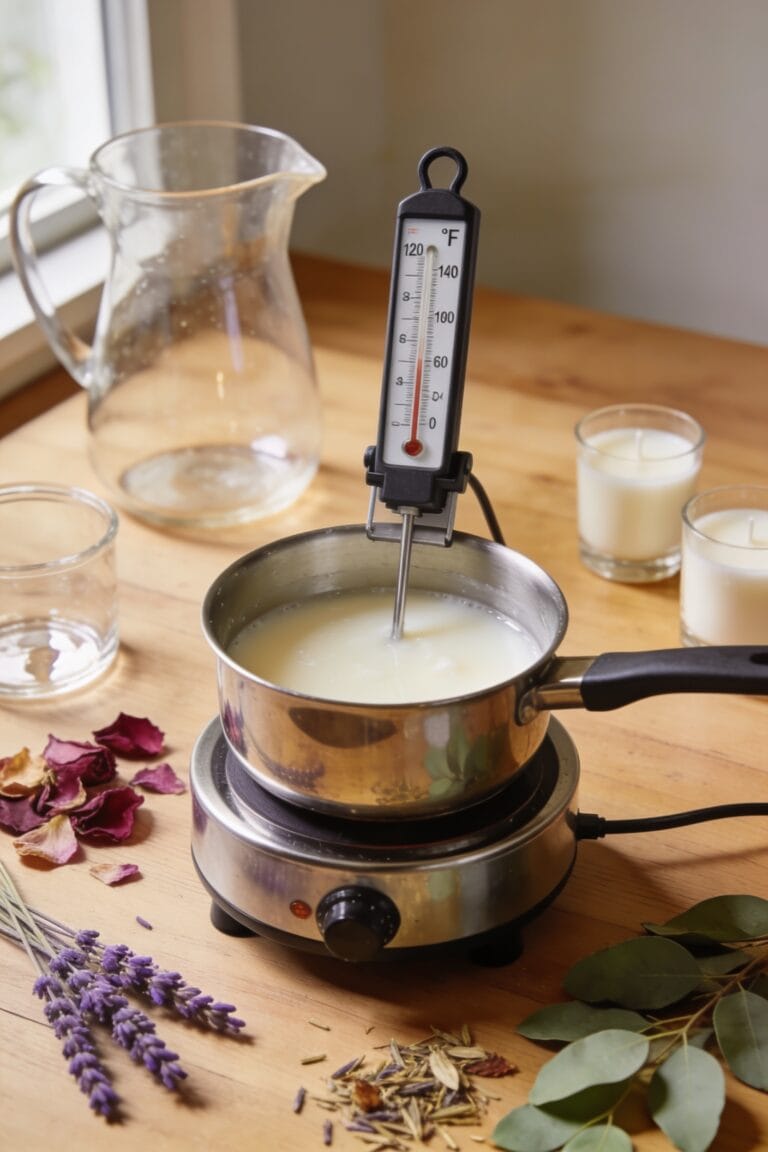
Here’s the thing: fragrance chemistry demands precision. Add your oils between 80-85°C (175-185°F)—this temperature range lets fragrance molecules bind properly with the wax. Pour timing matters equally. You’ll cool that wax down to 125-135°F before pouring, which keeps everything fluid enough for even distribution without causing surface imperfections.
Go too hot on pour, and you’ll get sinkholes. Too cool, and you risk incomplete blending. I typically let my wax cool for 15-20 minutes after fragrance addition, checking the temperature constantly. It’s tedious, sure, but consistency beats guesswork every single time.
Recommended Products

TWENTY POUNDS of PREMIUM FLORIDA SPRING BLOSSOM BEESWAX: 100% Natural, clean burning, sweet floral, with the honey-like fragrance typically associated with beeswax, cosmetic ready and suitable for food contact. Our pure beeswax bars are perfect for a wide variety of applications. Packaged in a one-pound bars (5″ x 3.5" x 1.75").

【Natural Soy Wax Flakes】Our soy wax flakes comes from organic farms, enriched with natural soy, without additives, harmless and pure, it is your ideal soy wax for candle making.

SOY CANDLE MAKING KIT FOR ADULTS: Includes 12 lb natural soy wax for candle making (1 bag 10lb + 4 bags, 8 oz each), 1200 mL melting pot, thermometer, 2 round and 2 square 8 oz candle tins with lids, 100 cotton candle wicks, 100 wick stickers, 2 metal wick centering tools, 4 wooden wick holders, 4 wooden stirring sticks, 4 warning labels, 1 silicone finger protector, 1 silicone trivet, 4 gift tags with 18” twine, and step-by-step instructions.
How Wax Blends Change Your Cure Timeline
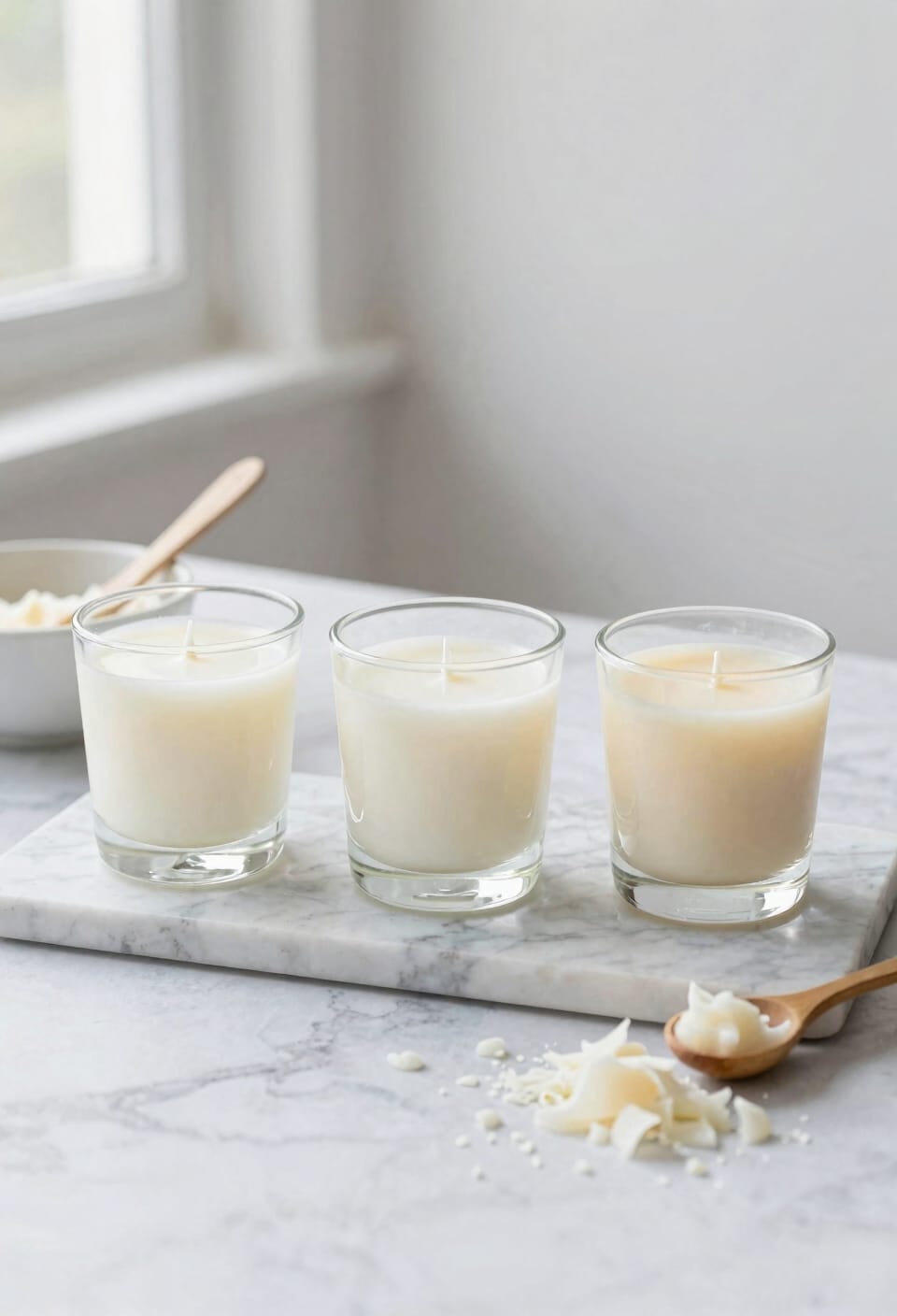
Getting those temperatures dialed in is half the battle, but here’s what I wish I’d understood sooner: the wax you choose—pure soy, a coconut-soy blend, or a soy-paraffin mix—completely rewrites your cure timeline. Pure soy needs a full 1-2 weeks minimum. Coconut-soy blends? They’re speedsters, curing in just 72 hours thanks to their additive effects. Soy-paraffin mixes fall somewhere between, typically 4-7 days depending on your blend ratios. I learned this the hard way by rushing a paraffin-heavy candle to market, only to watch the scent throw disappoint. The cheaper the shortcut, the more obvious the mistake. Your wax blend determines how quickly molecules settle and bind with fragrance—respect that, and your candles reward you with genuinely better performance.
Recommended Products

NATURAL SOY WAX BEADS - Best candle making supplies make the best soy candles! These safe, ethically produced, microwavable and paraffin-free soy wax beads are smooth and creamy in appearance, perfect for votives, pillars, tealights, tarts and melts.


All-In-One Starter Kit – Everything you need to dive into candle making! Our Hearth and Harbor soy candle wax for candle making includes 45 lbs of smooth soy wax flakes, 100 cotton wicks, 100 adhesive stickers, and 2 centering tools. Perfect for beginners or seasoned DIYers.
Cure Times for Every Wax Type
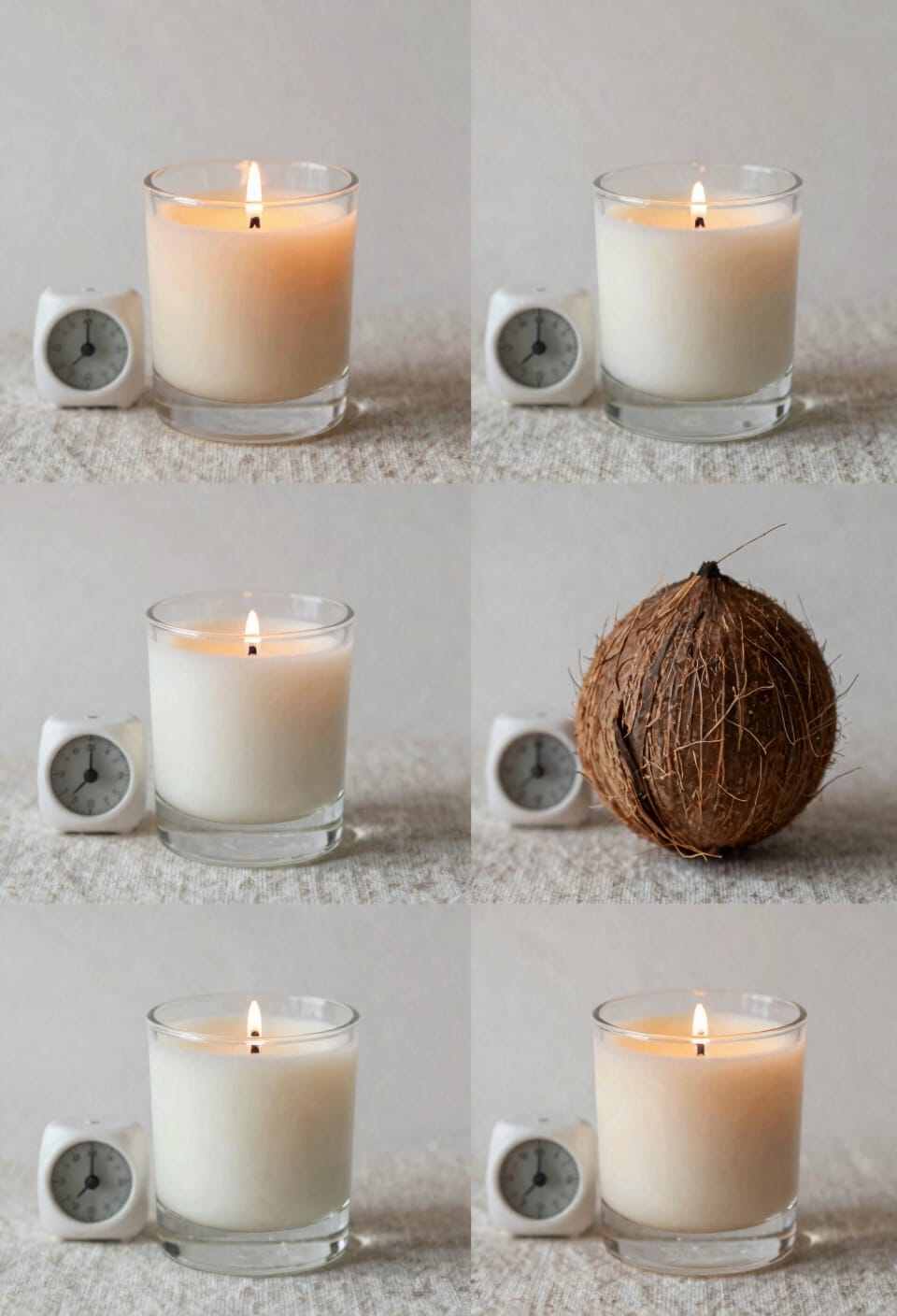
Since every wax type has its own personality—and its own stubbornness—understanding which one you’re working with is the only way to nail your cure timeline without guessing.
Pure soy demands the full 1-2 weeks for ideal scent throw (how strong your candle smells when lit or cold). Soy-paraffin blends? They’re speedier at 4-7 days. Coconut-soy hybrids cut corners further, needing just 72 hours minimum. Beeswax sits somewhere in the middle at 7-10 days.
The wait matters because rushing means poor wick priming and weak fragrance release. You’ll also compromise label longevity since a properly cured candle performs consistently throughout its lifespan. I know waiting feels brutal, but trust the timeline. Your candles—and your reputation—will thank you.
Recommended Products

CANDLE MAKING SUPPLY KIT: 50lbs soy wax, 500 cotton wicks, 500 glue stickers, 10 metal wick holders. Includes Everything you need to make your own candles.

Made in the USA. Golden Wax 464 is a completely natural and renewable resource and a solid choice in sustainable waxes. This reliable wax provides a long list of environmental advantages. It’s non-toxic, biodegradable, clean burning, and buying USA products means less fuel was wasted transporting the wax to your home or business.
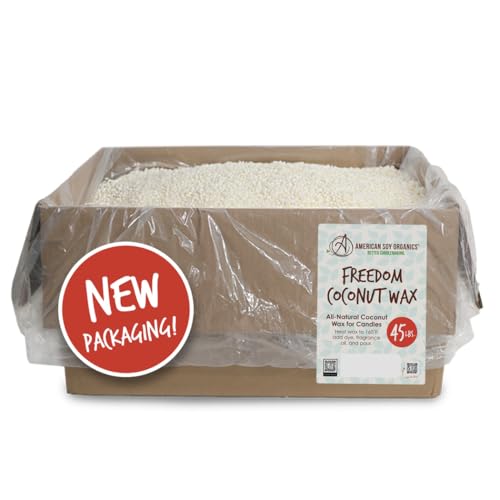
NATURAL COCONUT SOY WAX BEADS - Best candle making supplies make the best natural candles! Our safe, ethically produced, microwavable and paraffin-free coconut wax beads are smooth and creamy in appearance, perfect for candles, tealights and wax melts.
Frequently Asked Questions
Recommended Products


【Heating Core Spout Technology】SAY NO TO clogged! The patented spout tech keeps wax heating and running internally. The nozzle is located lower than the bottom of the internal container allowing the wax to flow emptying and faster pouring easily. Great for a clean pour! Built for candles, soap making, ideal for DIY hobbies, small-medium size candle business.

NATURAL SOY WAX BEADS, PARAFFIN-FREE: Freedom Soy Wax Beads are made from USA Midwest-grown soybeans, natural, paraffin-free, beeswax-free, and free of animal products. Soy burns cleaner and longer than paraffin, producing a safer candle your household can enjoy with confidence. Carefully sourced and proudly made in America for candlemakers who care about what goes into every pour and every burn.
Can I Burn My Candle Before It’s Fully Cured?
I wouldn’t recommend burning your candle before it’s fully cured. You’ll face safety risks like uneven burning and poor scent development. I’d suggest waiting the recommended 1-2 weeks for peak fragrance throw.
Does Room Temperature Affect How Quickly My Candle Cures?
Yes, room temperature markedly affects your candle’s cure time. I’d recommend keeping yours in a cool, stable environment between 60-70°F to optimize fragrance diffusion and guarantee proper curing.
What Happens if I Pour at the Wrong Temperature?
If you pour at the wrong temperature, you’ll likely encounter uneven scent distribution and wet spots where the wax hasn’t properly bonded with fragrance. This compromises your candle’s performance and throw quality markedly.
Can I Speed up the Curing Process With Heat or Cold?
I won’t recommend rushing results with rapid remedies. You can’t genuinely quicken curing—hot waterbaths or frozen storage won’t work. I’d advise patience; proper curing at room temperature guarantees peak scent throw and performance.
How Do I Know When My Candle Is Perfectly Cured?
I’d say your candle’s perfectly cured when you’re noticing strong scent throw and uniform melt pool formation. That’s typically 1-2 weeks post-pour for soy wax, indicating full fragrance binding and peak performance.
Conclusion
I spent months rushing candles to market, convinced patience was overrated. Turns out, waiting actually works—ironically, the hardest part of candle making isn’t the pouring or the fragrance calculations, it’s simply doing nothing. You’ve got to let your candle cure (that’s when the wax fully sets and scent molecules bond throughout). Give it time. Your future customers will thank you for the restraint you probably won’t naturally have.