As an Amazon Associate, we earn from qualifying purchases. Some links on this site are affiliate links at no extra cost to you. Our recommendations are based on thorough research and editorial judgment.
Christmas Candle Making: Festive Recipes, Scents & Gift Ideas

Christmas candles live or die by three decisions. Start with soy wax—it’s forgiving, holds fragrance beautifully, and won’t punish beginner mistakes like beeswax will. Try the Traditional Christmas blend (clove, cinnamon, frankincense) or go bold with Pine-Frankincense for serious depth. Pour around 170°F, let it cure the full 72 hours—I know, patience kills—then dress it with ribbon and dried rosemary. Wrap it in kraft paper, gift it, and watch people actually light it instead of hoarding it. The specifics on getting there, though, will save you a lot of wasted wax.
Key Takeaways
- Try Traditional Christmas scent blend: 10 drops clove bud, 10 cinnamon bark, 5 frankincense per batch for classic holiday aroma.
- Holiday mix combines ginger, sweet orange, cedarwood, and balsam fir for warm, festive fragrance with excellent scent projection.
- Start with soy wax for beginners; it’s forgiving, holds fragrance well, burns cleanly, and minimizes waste during learning.
- Gift-ready candles need 72-hour cure time minimum before testing; wrap jars in burlap or kraft paper for presentation.
- Decorate finished candles with ribbon bows, dried rosemary sprigs, or lavender for festive appeal and personalized handwritten gift tags.
What You’ll Actually Need to Get Started
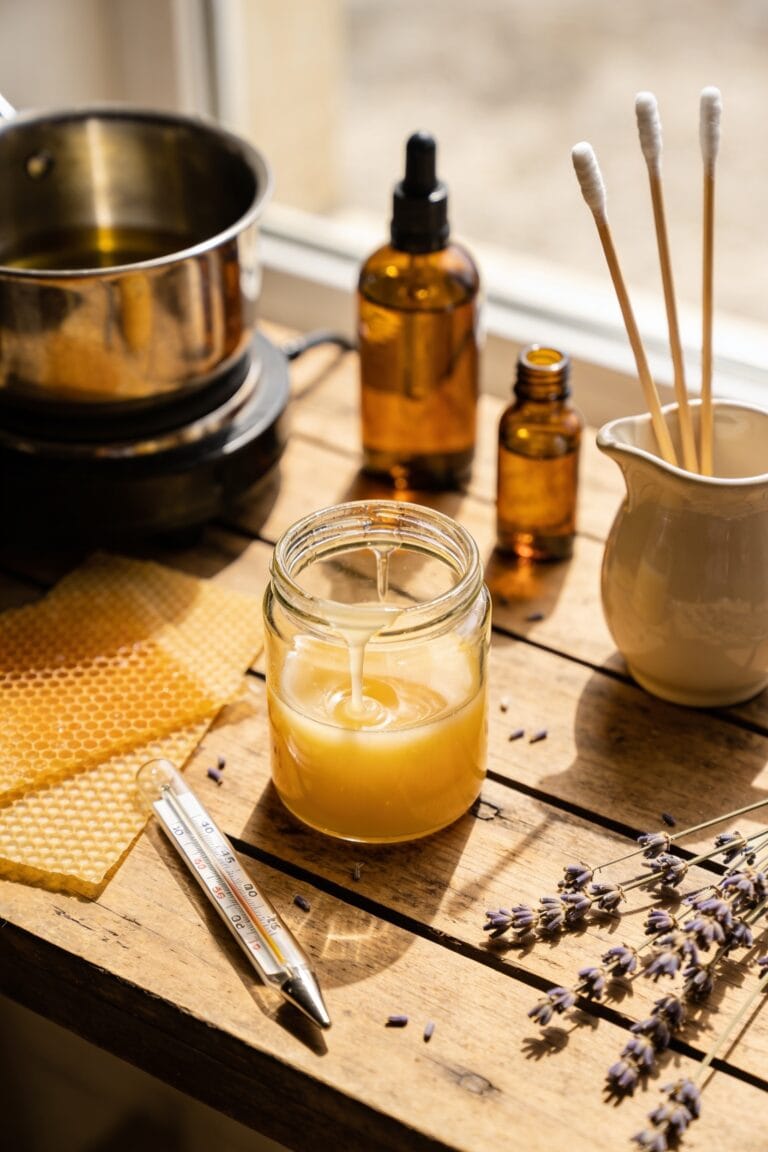
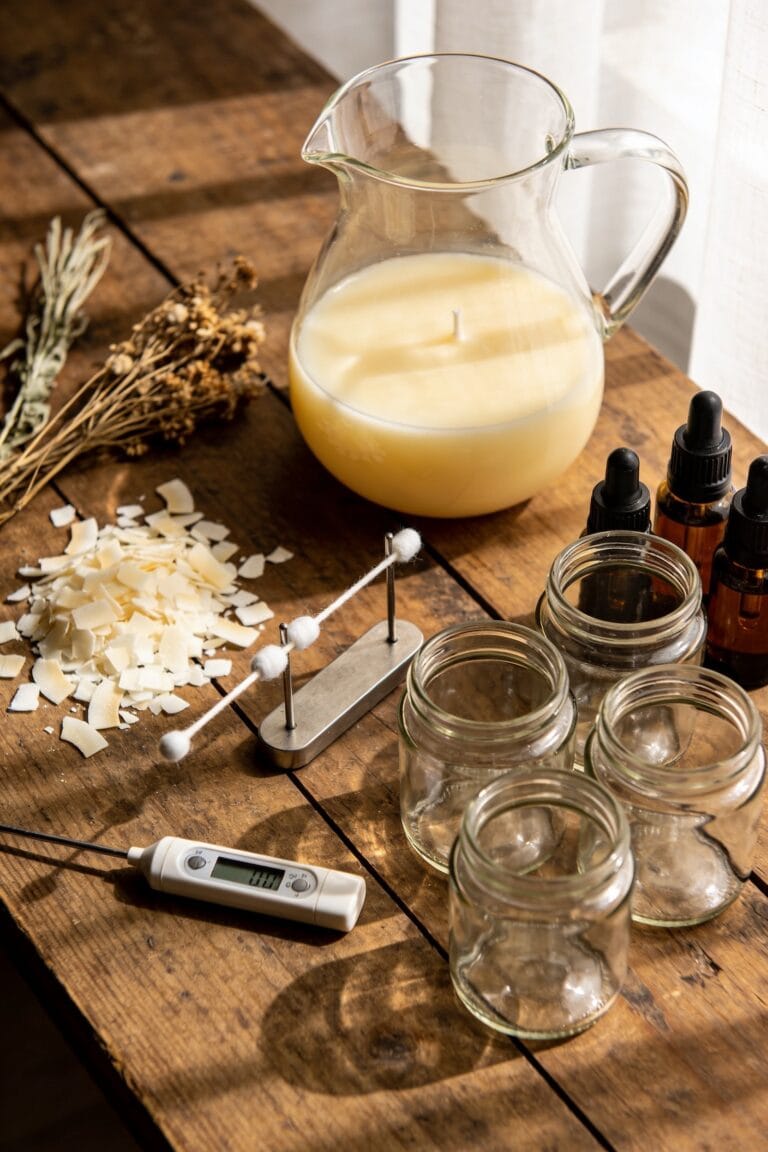
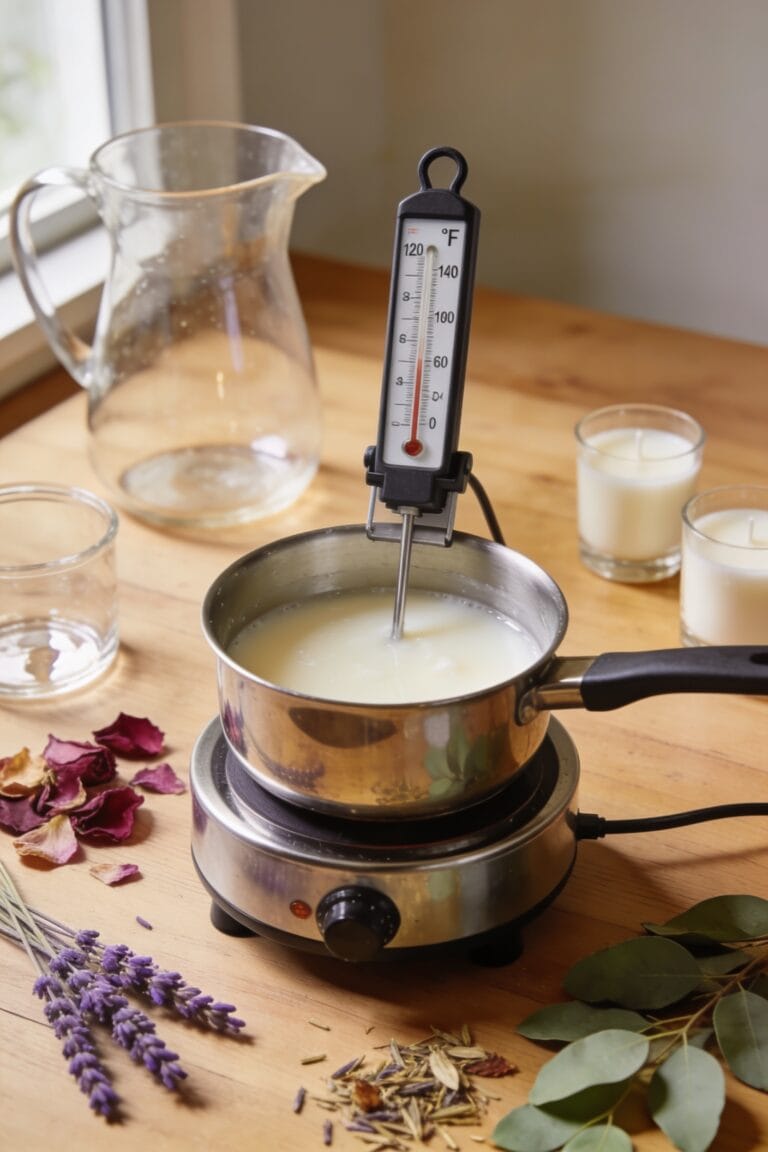
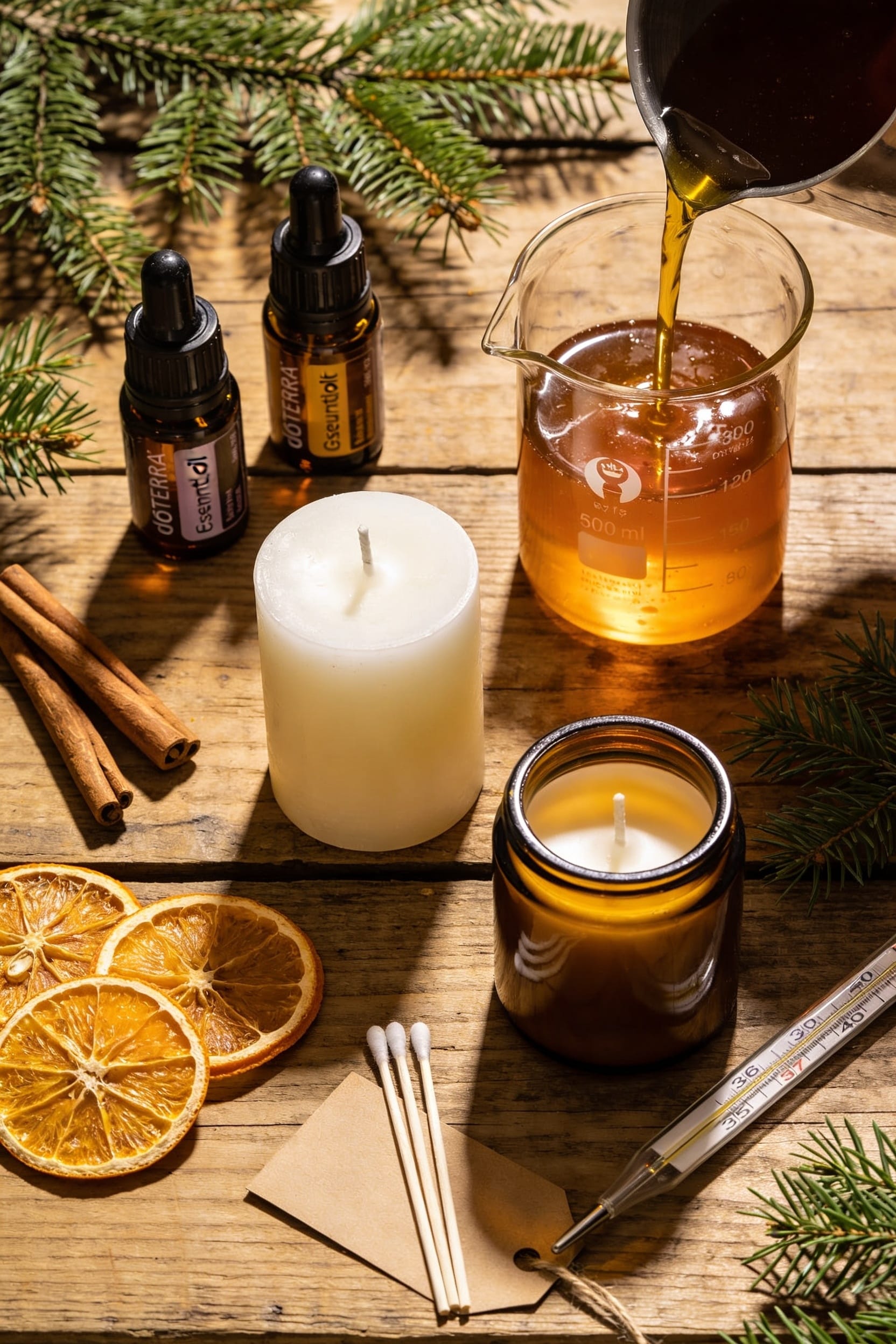
Look, you don’t need much to make your first batch of Christmas candles, and that’s honestly what makes this so dangerous—you’ll want to keep making them. Start with soy wax flakes or beeswax pellets, about 3-4 cups per batch. Grab natural wicks with metal bases, glass jars, and a double boiler for melting. You’ll want safety gloves to protect your hands from hot wax, and a starter thermometer because pouring at the right temperature (around 170-180°F) prevents cracking and uneven surfaces. I’ve learned this the hard way. Add essential oils or fragrance oils—30-60 drops typically—and you’re basically done. Popsicle sticks hold wicks straight while cooling. That’s genuinely it. Everything else is just refinement.
Recommended Products

[Ultra-Fine Details & Productivity] This advanced 10W (10000mW) laser engravers, with an ultra-fine 0.06 x 0.04mm spot, delivers precise 1:1 photo-realistic engravings. The spacious 23.93" x 15.16" bed size makes it ideal for large projects like door signs or engraving up to 119 dog tags in one go. Perfect for engraving on wood, leather, craft paper, stone, and glass.

CANDLE MAKING SUPPLY KIT: 50lbs soy wax, 500 cotton wicks, 500 glue stickers, 10 metal wick holders. Includes Everything you need to make your own candles.

All-In-One Starter Kit – Everything you need to dive into candle making! Our Hearth and Harbor soy candle wax for candle making includes 45 lbs of smooth soy wax flakes, 100 cotton wicks, 100 adhesive stickers, and 2 centering tools. Perfect for beginners or seasoned DIYers.
Soy vs. Beeswax: Choose Your Base
Now that you’ve got your supplies lined up, here’s where things get interesting—because your choice of wax base actually determines everything else about your candles, from how they smell to how long they’ll burn.
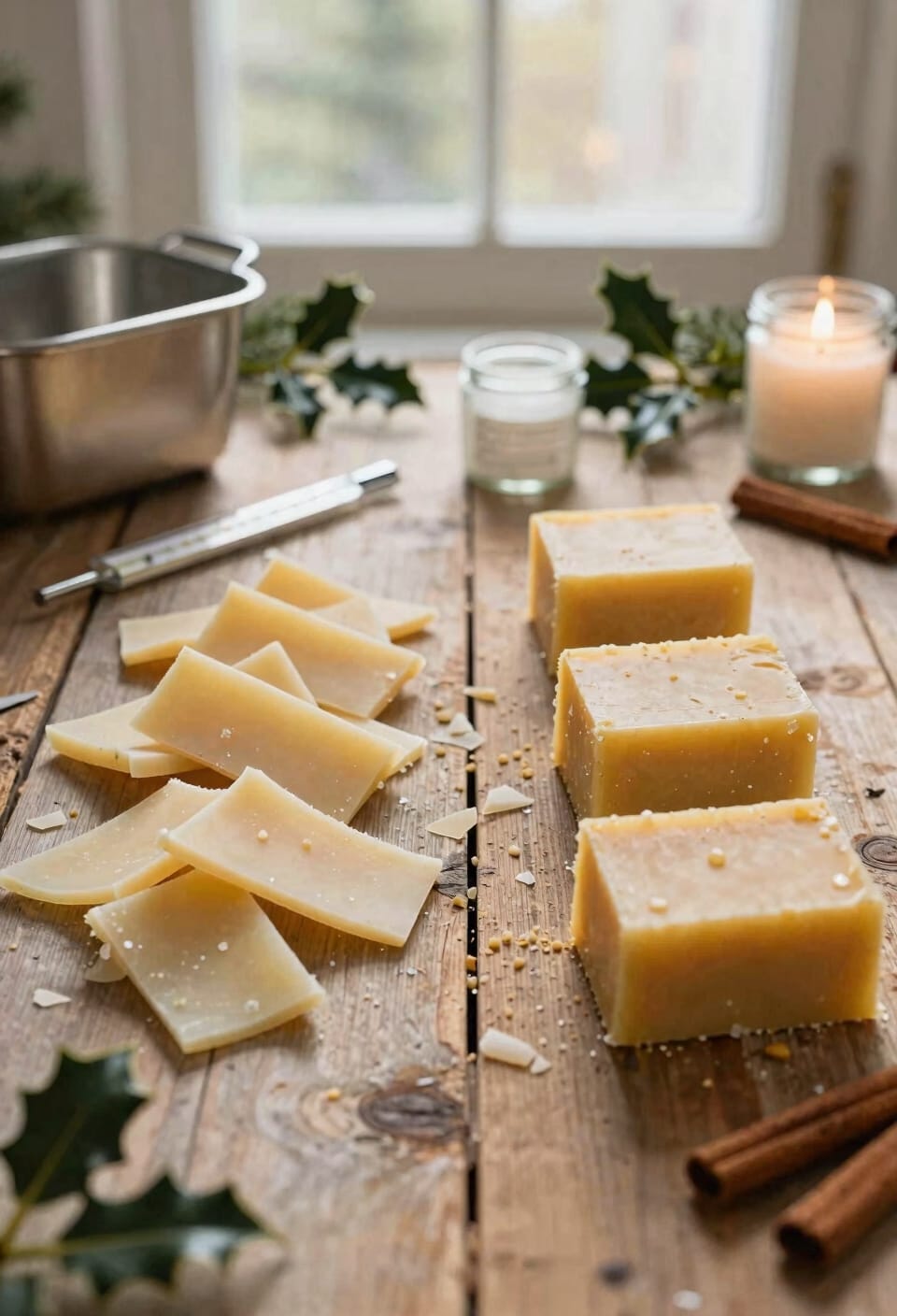
Soy wax is my go-to. It’s clean burning, meaning it produces less soot than paraffin, and it holds fragrance beautifully without weird hot spots. The crafting texture is smooth and forgiving—if you mess up a pour, you can usually reheat and fix it.
Beeswax is the premium option. It burns longer, smells naturally sweet, and has those clean burning benefits built right in. The downside? It’s pricier and holds less fragrance oil, so your scent won’t project as loudly.
For beginners, I’d suggest starting with soy. You’ll waste less money while you’re learning.
Recommended Products


Safer Ambience for Everyday Moments: Our sand wax candle design with self-extinguishing sand candle wicks minimizes fire risk if tipped and prevents hot wax spills; ideal for homes with pets or kids that won’t renounce stylish décor, offered in White, Red, Nude, and Black for cozy luxury

Professional Wax Melter for Candle Making or Soap Making, Melter 3 Gallon Stainless Tank, Extra Deep for Your Larger Batches Of Candles or Soap, This Has Been Designed From Customers Requests and is Unlike Other Competitors.
Christmas Scents Everyone Loves
This is where the magic happens—and honestly, it’s probably the part you’re most excited about anyway. You’ve got choices that’ll make your candles smell like an actual holiday, not like a synthetic disaster.
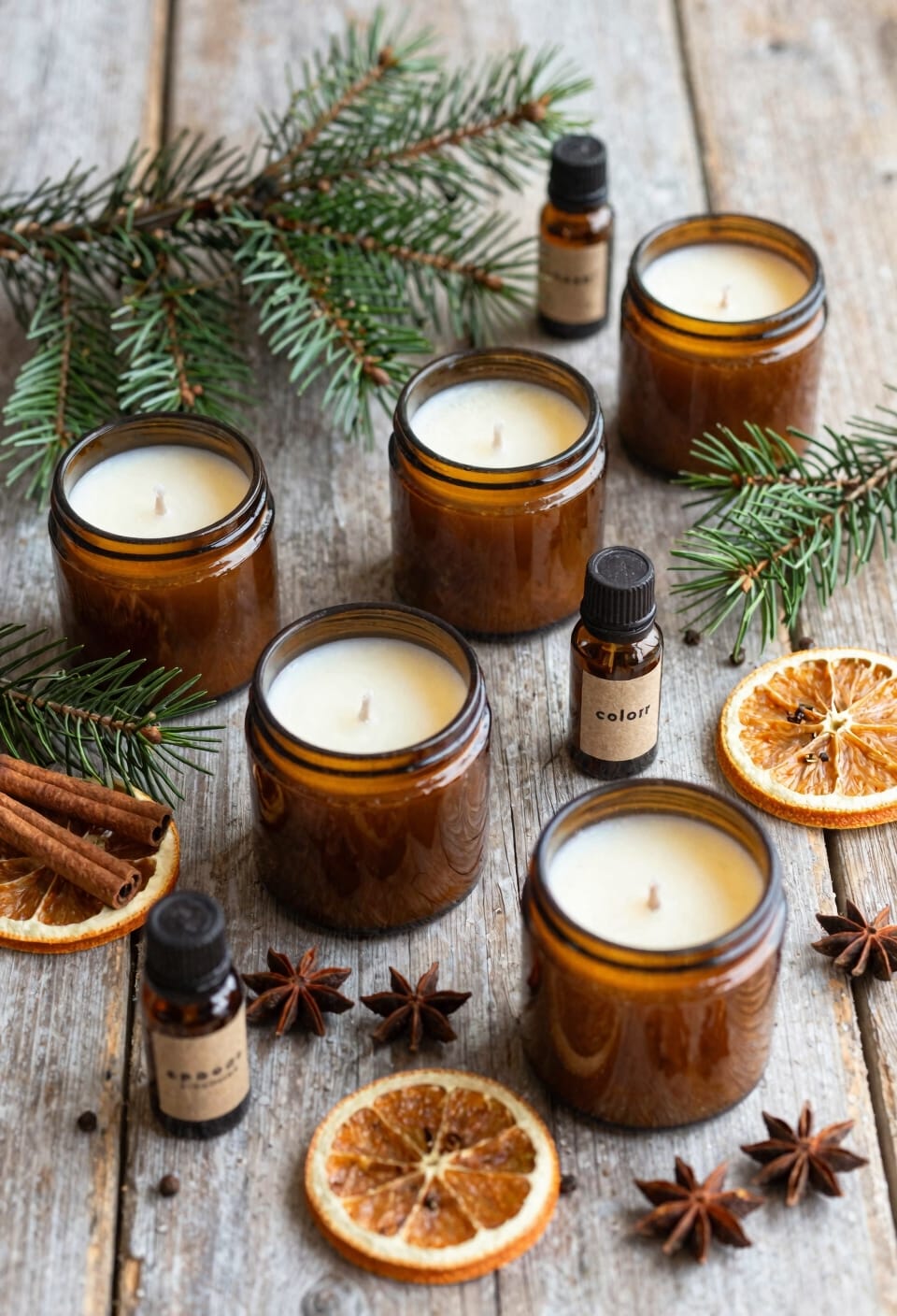
I’m talking pine balsam blends that transport you straight to a forest, spiced citrus combinations that warm your whole space, and those classic cinnamon-clove-frankincense combos everyone loses their mind over. The Traditional Christmas recipe—10 drops clove bud, 10 cinnamon bark, 5 frankincense—hits different because it’s balanced. Not too heavy on any single note.
Now, here’s what I’ve learned: fragrance load (that’s the percentage of scent oil compared to your wax) matters more than you’d think. Aim for around 10 percent with essential oils. Your nose will thank you.
Five Christmas Candle Recipes to Make Today
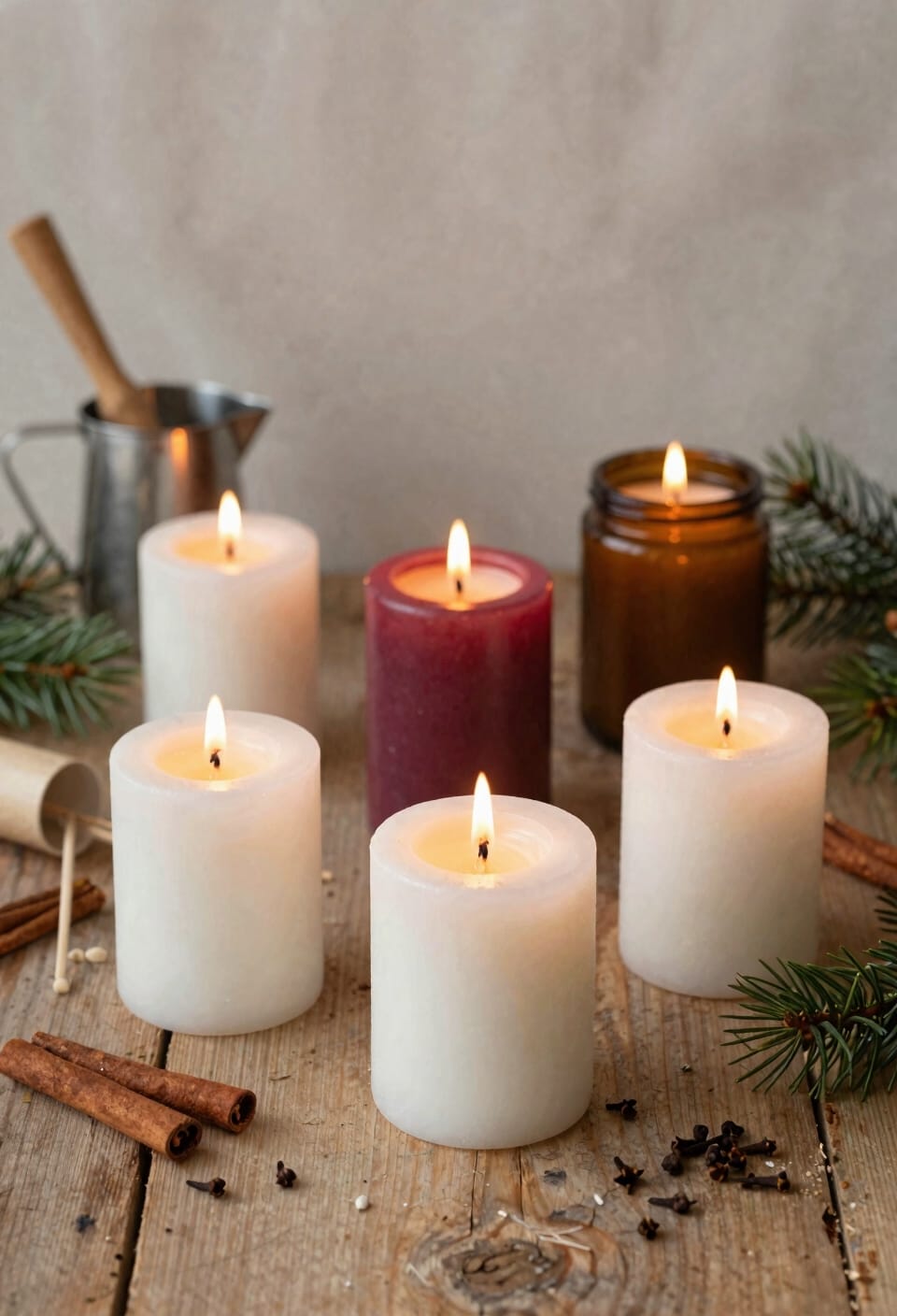
So you’ve got your scent strategy locked in, and now you’re ready to actually make something. Let me walk you through five recipes I’ve tested repeatedly—because honestly, I’ve botched enough batches to know what works.
The Traditional blend combines 10 drops Clove Bud, 10 Cinnamon Bark, and 5 Frankincense per 3-4 cups soy wax. Try the Holiday mix: 10 Ginger, 10 Sweet Orange, 5 Cedarwood, 5 Balsam Fir. Pine-Frankincense hits different—30-45 drops each creates serious depth. Orange-Spice layers 40 Sweet Orange, 10 Spruce, 5 Clove into beeswax for richness. Finally, my cranberry sprig variation adds star anise and cocoa nibs alongside frosted berries for visual pop and complexity. Each recipe yields multiple candles. Stir thoroughly while wax heats, pour at 170-180°F, and let cure fully—usually 48 hours minimum.
Recommended Products

DURABLE CLEAR PLASTIC AND CLASSIC DESIGN: Made from high-quality clear plastic polycarbonate, our candle protector is designed for long-lasting use. The sleek (2.75" dia x 2.25" height) design fits 5" - 6.5" length white taper candles, pink candlesticks, and colorful candlesticks, adding a touch of elegance and tradition to any service.

USER-FRIENDLY, SAFE, & WAX-FREE: The 3" in height candle protector is safe and easy to hold, designed to snugly fit 1/2" diameter candles, providing a secure grip and preventing candle shifting during use. This design protects hands from hot wax drips, reducing the risk of burns, making it ideal for use in crowded or communal settings. Perfect for church candles, vigil candles, and memorial candles.

REUSABLE CANDLE HOLDERS FOR CANDLELIGHT SERVICES - Enhance your church vigils, memorial services, and Christmas Eve celebrations with Concordia Supply's reusable plastic candle holders. Designed to protect hands from hot wax, these holders provide a safe and serene atmosphere for any event. (Wax candles are sold separately)
Pour Your First Batch (Step-by-Step)
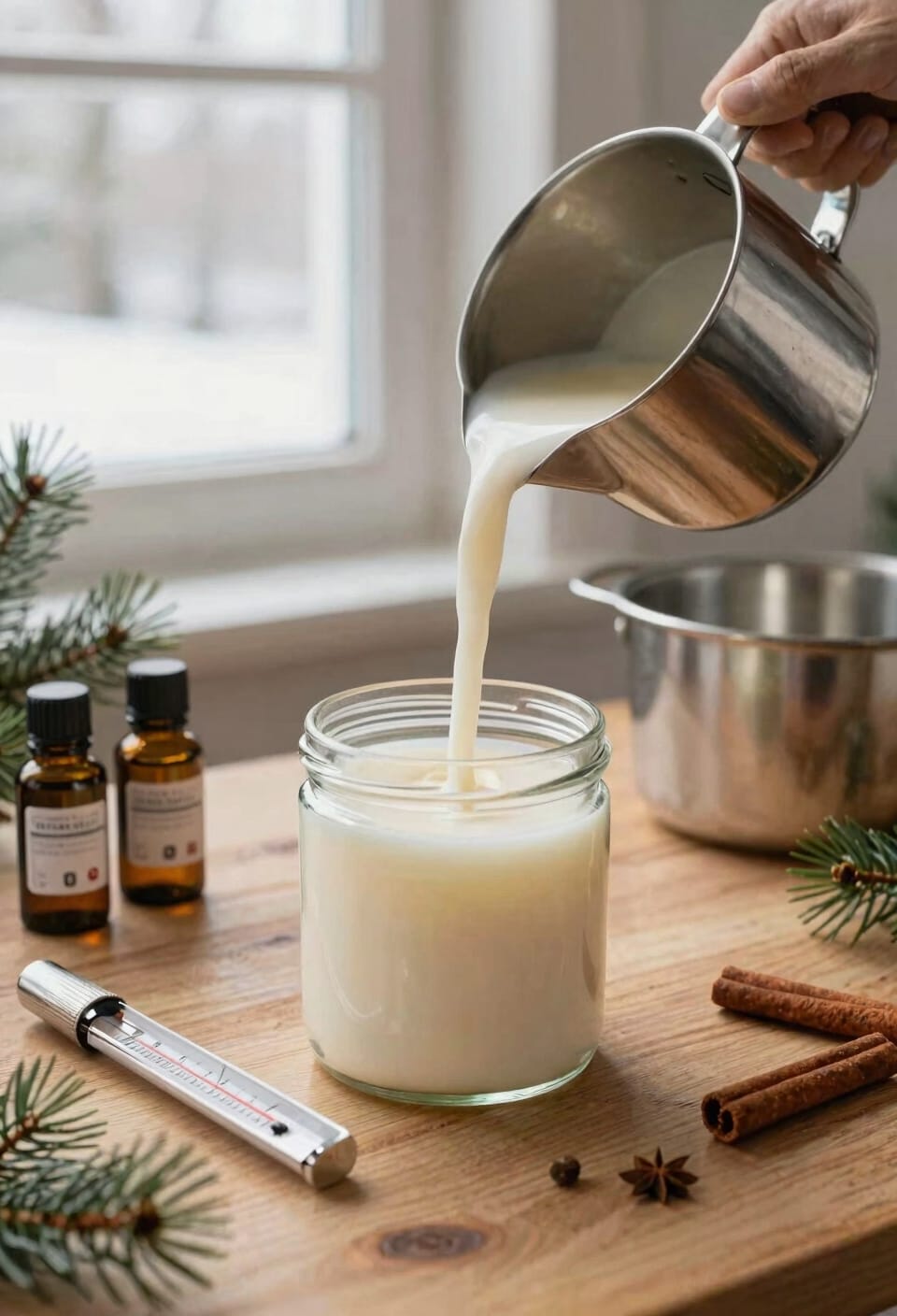
wick’s centered, jar’s stable, nothing flammable nearby. Pour your melted soy or beeswax slowly—rushing causes uneven surfaces and air bubbles. I aim for around 170°F, though honestly, I’ve poured successfully anywhere between 160–180°F depending on my wax type. Wrap the jar in a washcloth immediately after pouring; it insulates and prevents thermal shock cracking. Your cooling techniques here are essential. Let it solidify completely—at least 20 minutes, preferably longer. Don’t move it. Patience now saves you a ruined candle later.
Recommended Products

Industrial 67 Lbs Capacity Wax Melting Pot Pro Package Model: Includes Large Spout, Lid, Pouring Pot, Stirring Spoon. Cutting-edge technology ensures rapid melting of soy wax, paraffin, coconut, and beeswax for efficiency. It's perfectly suitable for most Wax types and Melt & Pour soap bases. Its user-friendly temperature guage allows temperature adjustment from from low to high temperature which maintains roughly 100 - 350 degrees Fahrenheit.

65 LBs Capacity Wax Melting Pot Pro Package Model: Includes Large Spout, Lid, Pouring Pot, Stirring Spoon. Cutting-edge technology ensures rapid melting of soy wax, paraffin, coconut, and beeswax for efficiency. While it can't be used for lye soap making due to aluminum's reactivity with lye, it's perfectly suitable for Melt & Pour soap bases. Its user-friendly temperature guage allows temperature adjustment from from low to high temperature which maintains roughly 100 - 350 degrees Fahrenheit.
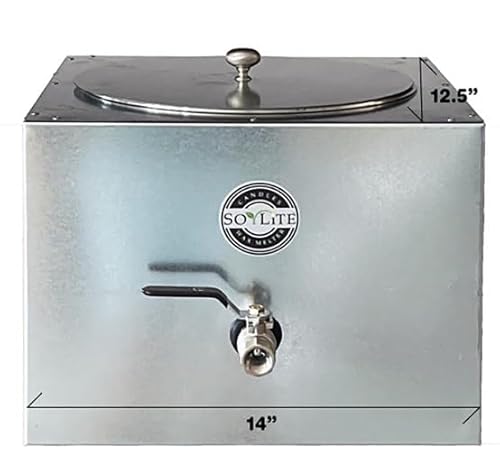
Profeshional wax melter for candle making, Effortlessly make large batches candles . No more messing with temperature control. This new wax melter automatically keeps wax around 180 to 190 degrees. Just simply add wax and turn on. If you are running a small business or handling a big custom order? SoyLite will help save you time.
Decorating Your Christmas Candles for Gifting
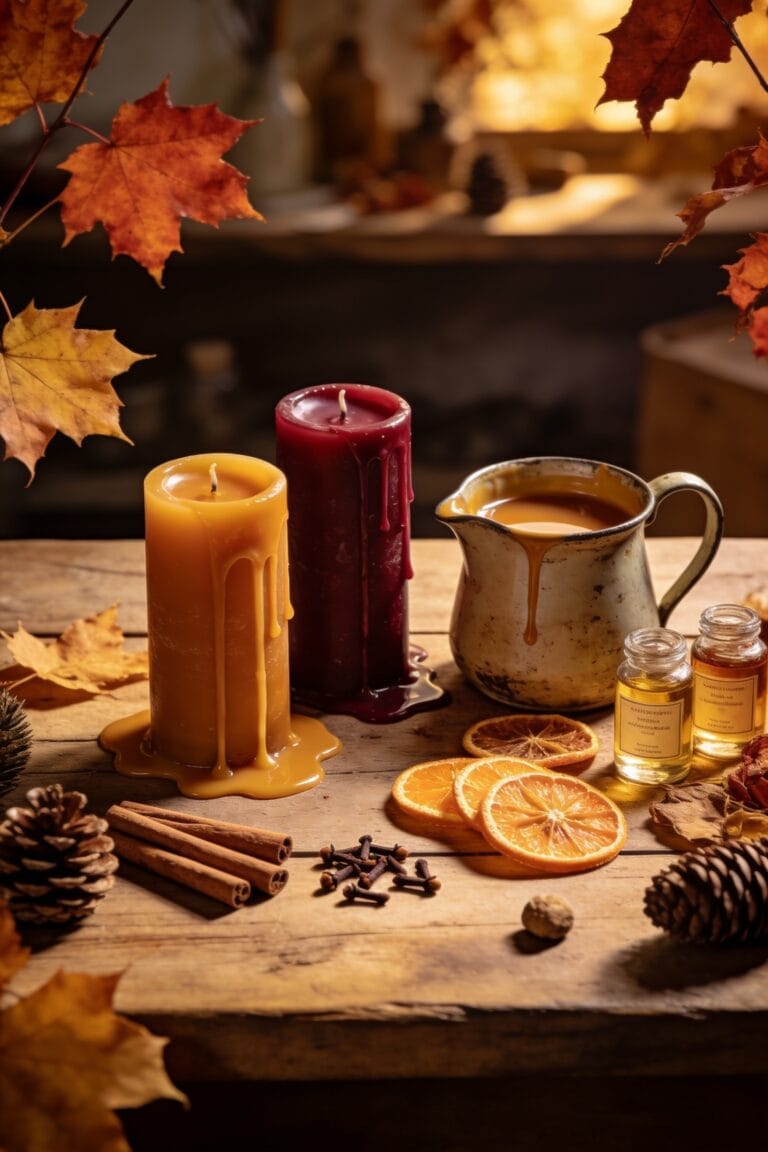
Once your candles have cooled completely and the wax has fully set, you’ve got a blank canvas ready for the fun part—making them look like gifts people actually want to receive. I’d start with ribbon bows wrapped around the jar neck. They’re simple, elegant, and instantly elevate the whole thing. Next, add dried sprigs of rosemary or lavender tucked under the ribbon for texture and visual interest. Handwritten tags personalized with the scent name or recipient’s name feel thoughtful—way better than generic labels. Finally, consider festive wraps like burlap or kraft paper around the base. These touches transform your candles from homemade projects into genuinely giftable items. You’re basically packaging care into something people can actually use and display.
Recommended Products

PREMIUM QUALITY CRAFTSMANSHIP: Discover Celestial Gifts' USA-made Cotton Muslin Bags with Drawstrings, meticulously crafted from 100% premium-quality cotton. These durable and softy cotton bags are perfect for storing small items like soap, herbs, spices, or potpourri. Experience exceptional durability and versatility with our reusable muslin bags, proudly made in the USA.

Package Includes: you will receive 10 sets of gold metal candelabra, very retro and elegant, to meet your daily use and sharing needs, suitable for your party candles of most sizes

PERFECT LITTLE PACKAGE: The perfect little box for packaging your goodies in a neat little package. Fill it up with little trinkets, knick knacks, or small prizes and give it out as party favors by a birthday party or holiday event. There are boundless options for which you can use these whimsical party boxes.
When Things Go Wrong (And How to Fix Them)
All right, so you’ve decorated your candles beautifully, wrapped them in ribbon and kraft paper, and you’re feeling pretty proud—then you light one and it tunnels, or the scent barely registers, or the whole thing frosted over like it got caught in a blizzard.
Wick tunneling—when only the center burns and wax builds up around the edges—usually means your wick’s too thin for your wax type. Size up next time. Soot buildup, that black coating on your jar, typically signals incomplete combustion from a wick that’s too thick or fragrance oil that’s too heavy.
Here’s the thing: most failures come down to cure time. You’ve poured it, but you haven’t waited long enough. Give it seventy-two hours minimum before testing. Your patience now saves your gifting later.
Frequently Asked Questions
How Long Do Homemade Soy and Beeswax Candles Typically Burn Compared to Store-Bought?
I’ll give you an honest answer: homemade soy candles typically burn longer than store-bought versions, while beeswax comparisons show even superior longevity. You’re investing in quality that lasts considerably longer than commercial alternatives.
Can I Use Fragrance Oils Instead of Essential Oils for Christmas Candle Making?
Yes, you can use fragrance oils instead of essential oils. I’d recommend fragrance oils for their superior fragrance longevity and synthetic strength, which’ll give your candles a more potent, longer-lasting scent than essential oils typically provide.
What’s the Ideal Room Temperature for Pouring Candles to Prevent Imperfections?
You might think room temp doesn’t matter, but I’ve found it’s essential. I recommend pouring at 170-180°F when your room temp stays between 68-72°F. This pour temp prevents sink holes and surface imperfections you’ll regret.
How Should I Store Leftover Wax and Supplies Between Candle-Making Batches?
I’d recommend storing your leftover wax in airtight containers to prevent dust and moisture absorption. Keep essential oils and supplies in labeled bags organized by scent type. This way, you’ll easily locate everything for your next batch.
Are Homemade Candles Safe to Burn Around Pets and Small Children?
Your homemade candles aren’t inherently dangerous—but are they truly secure? I’d recommend using pet safe essential oils, keeping them on child proof shelves, and never leaving burning candles unattended around your family.
Conclusion
Look, I’ve poured hundreds of candles and still botched a batch last month—uneven cooling, fragrance separated, the whole mess. But here’s what I learned: candle making’s like baking. You follow the recipe, respect the timing, and yeah, you’ll fail sometimes. That’s not failure though. That’s just data. You’ll nail your next pour because you’ll know exactly what went wrong. You’ve got this.