As an Amazon Associate, we earn from qualifying purchases. Some links on this site are affiliate links at no extra cost to you. Our recommendations are based on thorough research and editorial judgment.

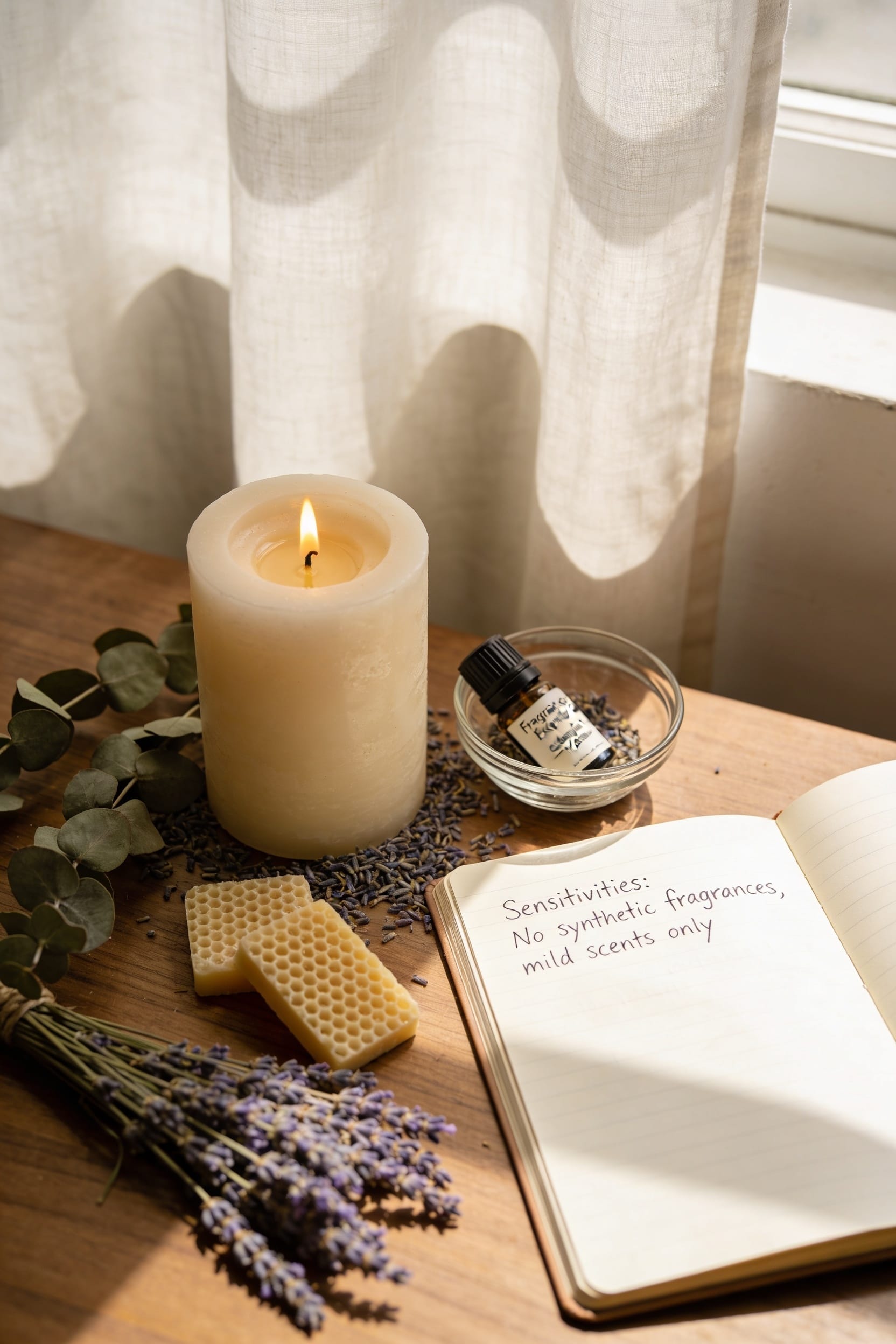
Allergic Reactions to Candle Fragrances: Causes, Symptoms & Safe Alternatives

those sneezes and rashes aren’t random. Synthetic fragrances—especially in paraffin candles—release petroleum-adjacent fumes that irritate your airways instantly or sensitize your skin over time. About one in five people report symptoms ranging from runny nose to chronic coughing. If you’ve got asthma or sinusitis, you’re at triple the risk. Switching to soy or beeswax with plant-based essential oils dramatically reduces reactions, though you’ll sacrifice scent longevity and pay more. Fragrance-free options work too. Tracking when symptoms hit helps pinpoint your exact trigger, which matters way more than you’d think.
Key Takeaways
- Most candle fragrance reactions stem from direct chemical irritation of olfactory receptors rather than true allergies, with synthetics producing petroleum-adjacent fumes.
- Respiratory symptoms include immediate runny nose and sneezing, while repeated exposure can trigger chronic coughing, wheezing, and airway remodeling.
- Skin reactions manifest as hives, rashes, or allergic contact dermatitis around the nose, eyes, hands, and neck within hours of exposure.
- Track exposure timing, symptoms, ventilation patterns, and fragrance overlap from multiple sources to identify personal triggers when medical testing unavailable.
- Switch to soy or beeswax candles with plant-based essential oils, use fragrance-free options, and ensure proper ventilation to reduce reactions significantly.
Why Fragrance Chemicals in Candles Trigger Reactions
When you light a scented candle, you’re not just releasing a pleasant aroma into the air—you’re also releasing thousands of synthetic chemical compounds that your body has to process, and honestly, not everyone’s immune system is thrilled about it. Here’s the thing: over 5,000 different fragrance combinations exist in scented candles, and most rely on synthetic chemicals rather than natural sources. When you burn paraffin wax—that petroleum-derived stuff many mass-produced candles use—the vapor chemistry mimics car exhaust fumes. Your olfactory receptors, those sensory nerve endings in your nasal passages, detect these compounds instantly. Some people experience direct chemical irritation rather than true allergic reactions. Repeated exposure can sensitize your immune system over time, turning irritation into genuine allergy.
Respiratory Symptoms: From Sneezing to Chronic Coughing
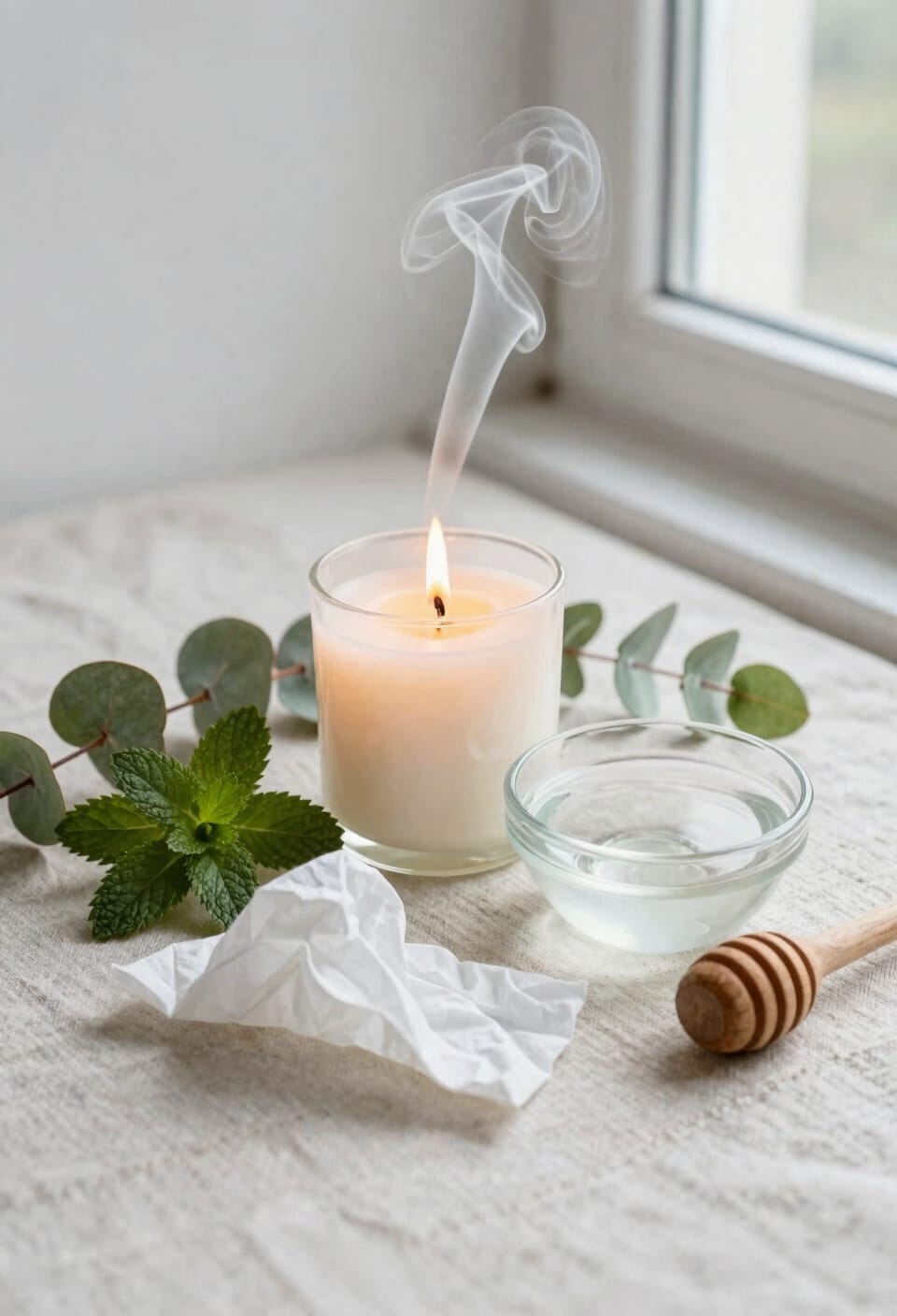
If you’ve ever felt your nose start running within minutes of lighting a scented candle, you’re experiencing what happens when fragrance chemicals hit your respiratory system—and you’re definitely not alone. That runny nose, sneezing, and nasal congestion you feel? That’s your body reacting to direct chemical irritation, not necessarily a true allergy. But here’s where it gets complicated: repeated exposure can trigger something called nasal hyperreactivity—basically, your airways become increasingly sensitive to those fragrance molecules. Over time, chronic coughing, hoarseness, and even wheezing can develop as airway remodeling occurs, where your airways physically change from repeated irritation. Post-nasal drip and sinus pressure often follow. About one in five people report these exact symptoms from scented candles. It’s your respiratory system telling you something needs to change.
Recommended Products

100% Pure Beeswax Votives: Hand-poured from naturally filtered beeswax, these small candles offer a warm, golden glow and clean, natural candlelight for cozy evenings, holiday gatherings, or everyday home decor


SIGNATURE VANILLA & WAFFLE CONE: A gourmand vanilla ice cream candle for summery vibes and cozy charm. This dessert-inspired scented candle does more than smell delicious; it neutralizes pet odors, filling your space with pure comfort.
Skin Reactions: Recognizing Dermatitis and Contact Allergies
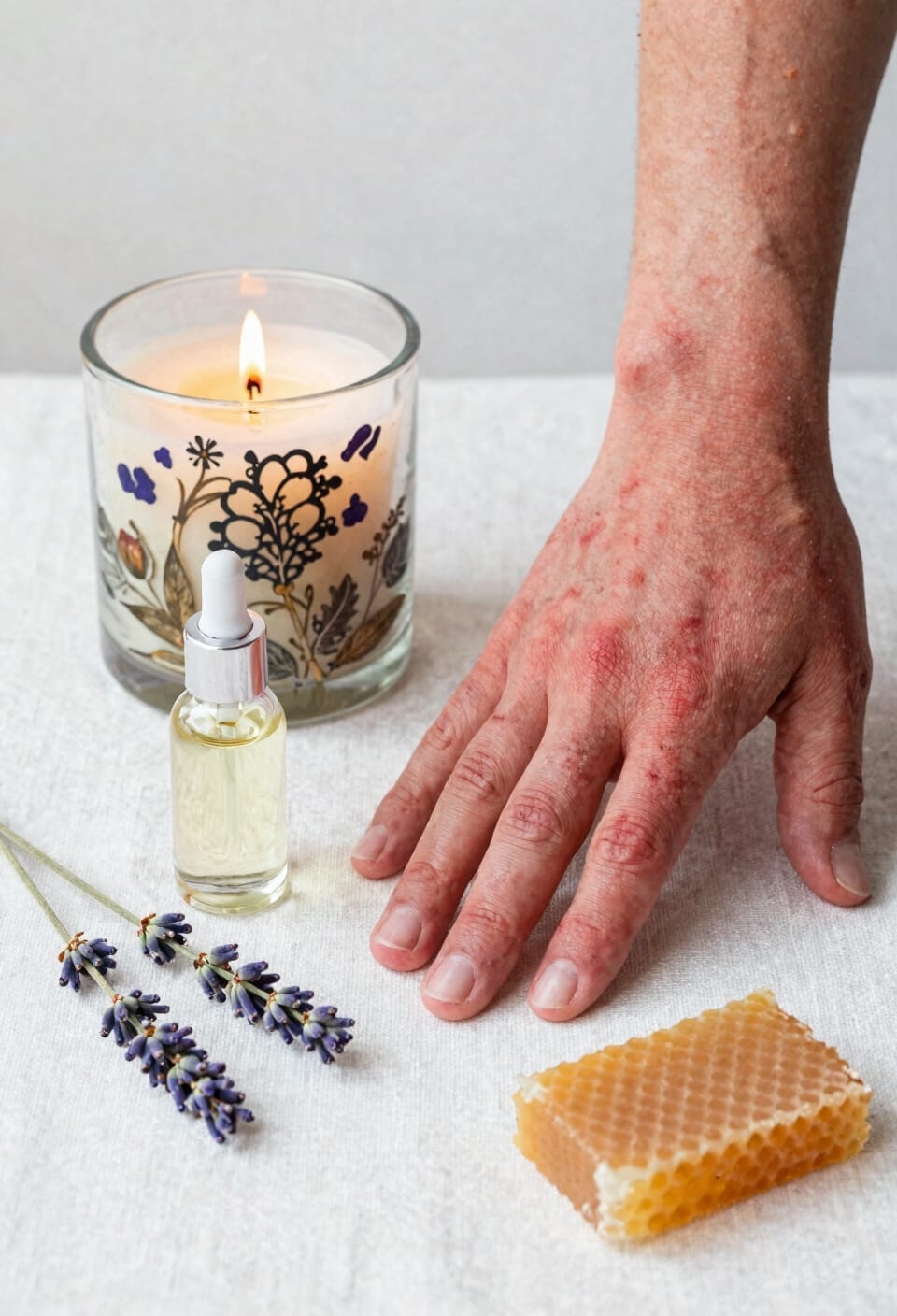
While your respiratory system bears the brunt of fragrance chemical exposure, your skin’s actually dealing with its own battle—and honestly, it’s where things get visibly uncomfortable pretty fast. You might notice hives or rashes around your nose and eyes within hours of lighting a scented candle. Allergic contact dermatitis shows up as scaly, red patches or fluid-filled blisters on your hands, face, or neck. That itchy, burning sensation? It gets worse with repeated exposure. If you’re experiencing this, patch testing—applying small amounts of suspected irritants to your skin—helps identify your specific triggers. Applying barrier creams before candle exposure offers some protection. Chronic reactions can lead to lichenification, where your skin thickens and cracks. You’re not overreacting; fragrance chemicals genuinely sensitize skin over time.
Recommended Products

100% Pure Beeswax - Beesworks Beeswax is totally pure, Grade A, triple filtered beeswax. Our premium filtered yellow beeswax is the highest quality cosmetic grade and contains zero additives, so you can be sure you are making an effective and safe choice.

100% PURE & NATURAL: Rue oil is a member of the Rutaceae family. This oil has a sharply herbaceous, distinctly fruity orange-like scent, with a bitter back note. It is classed as a top note and blends well with citrus, herby, minty and woodsy oils.

Warm Vanilla Sugar Fragrance Oil - A yummy combination of sweet brown sugar, buttery vanilla with a soft undertone of musk.
Is It an Allergy or Irritation? Why the Difference Matters
Because most candle reactions aren’t actually allergies at all, figuring out which one you’re dealing with makes a real difference in how you’ll manage it—and whether you need to ditch scented candles altogether or just swap to a gentler option. True allergies trigger your immune system, releasing histamine and antibodies. Irritation? That’s just direct chemical assault on your airways and skin—no immune involvement required. Here’s what matters: track your exposure history carefully. Symptoms from irritation typically fade once you ventilate and remove the candle. Allergies linger. Understanding the distinction helps you advocate for workplace accommodations if needed, especially if you’re sensitive. Since no single test confirms fragrance reactions, your exposure patterns become the diagnostic tool. That detective work pays off.
Who’s Most at Risk: Asthma, Sinusitis, and Chemical Sensitivity
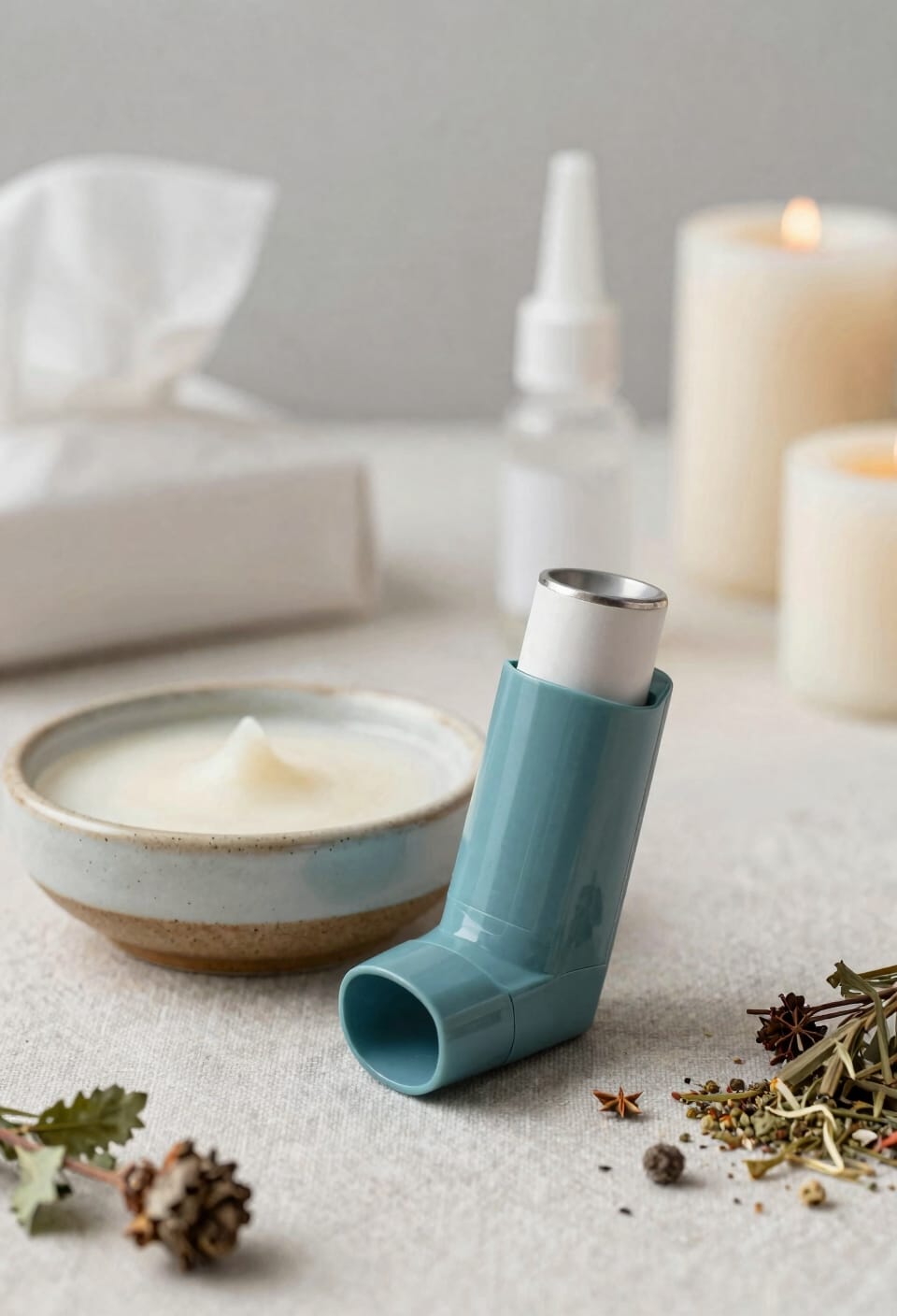
Certain people react to scented candles far more severely than others, and it’s not random—your body’s vulnerabilities matter enormously here. If you have asthma or chronic sinusitis, you’re facing three times higher risk of severe reactions. Your airways are already inflamed, so synthetic fragrance chemicals hit differently. Children with developing sensitivity and older adults show increased vulnerability too. Now, here’s what gets overlooked: occupational exposure matters. If you’re already breathing fragrance chemicals at work, coming home to scented candles stacks the deck against you. People with multiple chemical sensitivities react at exposure levels one hundred times lower than typical. One in five people report reactions. The American College of Allergy, Asthma and Immunology isn’t mincing words—they advise asthma patients avoid scented candles entirely.
Switch to Soy and Beeswax: Safer Wax for Sensitive People
If you’ve been burning paraffin candles and wondering why you’re constantly reaching for tissues, the wax itself might be the culprit—not just the fragrance. Here’s the thing: paraffin wax, derived from petroleum, releases fumes comparable to car exhaust when heated. That’s where wax composition matters immensely in candle making.
Now, soy candles reduce reactions markedly compared to their paraffin counterparts. Beeswax? Even better. It burns cleaner, lasts longer, and eliminates many of the harsh chemicals lurking in petroleum-based wax. Both options work beautifully with essential oils or plant-based extracts instead of synthetic fragrances.
Look, switching wax types won’t eliminate every trigger—fragrance oils still play a role—but you’re removing a major irritant from the equation. Your airways will thank you.
Recommended Products

100% Pure Beeswax Candle: Hand-poured from naturally filtered beeswax for a rich, golden glow. These clean burning candles are free from paraffin, soy, and synthetic fragrances. Each 1-wick dripless pillar candle features natural cotton candle wicks and pure candle wax for a long-lasting burn and warm, cozy candle light.
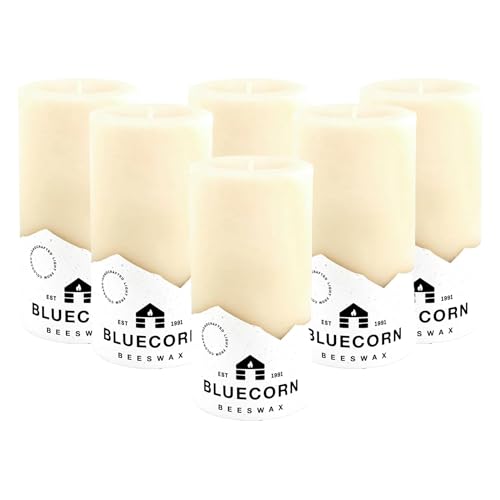
100% Pure Beeswax Candles — Non Toxic & Hypoallergenic: Hand-poured from naturally filtered beeswax for a truly unscented, hypoallergenic white beeswax candle. Each pure beeswax candle features a cotton wick for a clean, dripless burn, completely free from paraffin, soy and synthetic fragrances. A natural, non toxic candle alternative that adds warm, cozy candlelight to any setting.

French Vanilla Fragrance Oil - Tempting, delicious, rich & creamy with a buttery vanilla scent
Choose Natural Scents Over Synthetic Fragrances
Now that you’ve swapped out the wax, it’s time to tackle the fragrance itself—because honestly, that’s where most people get tripped up. Synthetic fragrances are the real culprits behind those nasty reactions you’re trying to avoid. I’d strongly recommend switching to essential oils or plant-based extracts instead. Natural extraction methods preserve the botanical compounds without the harsh chemicals that trigger sneezing and itchy eyes. When you’re scent blending—mixing different oils to create your custom fragrance—you’ll find that natural options give you more control and flexibility. Sure, they cost a bit more, but your customers’ respiratory systems will thank you. Plus, your candles will smell genuinely good, not like a chemical factory exploded in someone’s living room.
Recommended Products
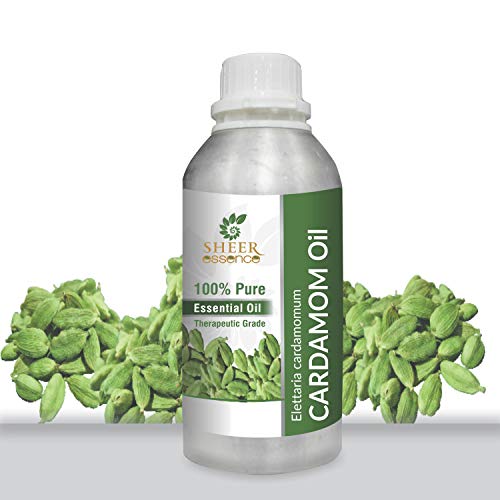
CARDAMOM OIL: Our Sheer Essence Cardamom essential Oil also known as Elettaria Cardamomum is undiluted and uncut therpeutic grade oil which is extracted naturally this essential oil contains Characteristic herbaceous-green, floral aroma with no added preservatives to protect therapeutic properties.

BETEL LEAF OIL: This sheer essence Betel Leaf essential oil also known as Piper Betle oil is undiluted and uncut therapeutic grade oil which is extracted with natural process to preserve its therapeutic properties.

Transform any space with our invigorating essential oils! Whether you're seeking a lively home ambiance or a refreshing start to your day, our oils are ideal for enhancing your diffuser experience.
Fragrance-Free and LED Alternatives for Maximum Safety
Sometimes the safest choice is the simplest one: don’t use fragrance at all. Look, I’ve poured plenty of scented candles that ended up triggering reactions in people I care about. Now I keep unscented bedding nearby and recommend fragrance-free candles to anyone with sensitivities. They’re genuinely beautiful—the wax becomes the star instead of competing chemicals.
LED flameless candles offer another smart route. You get ambient lighting without any respiratory risk, which matters if you’re managing asthma or chronic sinusitis. Pair one with strategic air purifier placement in your bedroom, and you’ve built a genuinely safe environment.
All right, here’s what I’ve learned: sometimes zero fragrance beats perfect fragrance every single time. Your lungs will thank you.
Recommended Products

[Versatile Lighting Solution] Our LED flameless candles are the ideal choice for a wide range of settings, including home décor, event decoration, and ambiance creation. With the convenience of remote control, these versatile candles allow you to effortlessly control the ambiance, making them suitable for relaxation, celebrations, or creating a warm and inviting atmosphere in any space.
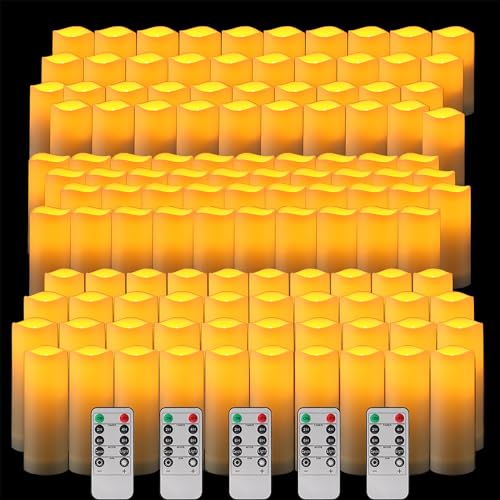
A COMPLETE SET OF FLAMELESS CANDLES: This value pack comes with 120 pack beautiful flameless pillar candles, 5 remote controls with 10 different keys and a super easy to follow operating manual. Specifically, this set includes 40 pack 4", 40 pack 5", and 40 pack 6" pillar (each 2.2" diameter) candles, all coming in an elegant white color that matches any house. (Batteries are not included in this package.)

Clean Burning & Dripless – Crafted from premium paraffin wax with 100% lead-free cotton wicks, these white votive candles burn clean, drip-free, and smokeless. Whether placed in a snug votive holder for a cozy glow, a clear holder for bright light, or a frosted holder for soft romantic ambiance, they create the perfect setting for any occasion.
Why Synthetic Fragrances Differ From Plant-Based Scents
While fragrance-free candles absolutely work, most of you reading this probably still want your home to smell good—and that’s where understanding the difference between synthetic and plant-based scents becomes genuinely useful.
Here’s the thing: synthetic fragrances contain over 5,000 different chemical combinations engineered in labs, designed to trigger strong sensory perception and last longer in your candle. Plant-based scents come from essential oils and natural extracts—they’re literally distilled from plants. The olfactory chemistry differs dramatically. Synthetics often produce those petroleum-adjacent fumes I mentioned earlier, while plant-based options tend to be gentler on airways. Now, plant-based scents fade faster and cost more. But if you’ve got respiratory sensitivity or asthma, they’re genuinely worth the investment. You’re trading longevity for safety.
Tracking Triggers: Understanding Your Personal Fragrance Sensitivity
Because most fragrance reactions aren’t truly allergic—they’re chemical irritation, remember?—you’ve got to become a detective about what’s actually triggering your symptoms. Start an exposure diary tracking when symptoms hit and what candles were burning. Note trigger timing: do reactions kick in within minutes or build over hours? That timing tells you whether you’re dealing with direct irritation or sensitization. Map your airflow too—poor ventilation amplifies problems. Watch for cosmetic overlap; fragrances in lotions, diffusers, or air fresheners compound candle exposure. You’ll spot patterns you’d otherwise miss. No doctor can test this for you, so your tracking becomes the diagnosis. It’s tedious work, but it’s how you’ll finally understand what your body’s actually fighting.
Frequently Asked Questions
How Long Does It Typically Take for Candle Fragrance Symptoms to Appear After Exposure?
I’ve found that candle fragrance symptoms typically strike within minutes of exposure, showing an immediate onset for most people. However, you might experience a delayed response if you’re developing a true allergy through repeated exposure over time.
Can Candle Fragrance Allergies Develop Suddenly After Years of Tolerance?
Yes, you can suddenly develop allergies after years of tolerance. Repeated exposure causes sensitization onset, triggering delayed hypersensitivity reactions. Your immune system gradually becomes sensitized to fragrance chemicals, making you vulnerable to unexpected allergic responses later.
What’s the Difference Between Fragrance Allergies and Multiple Chemical Sensitivities?
I’ll tell you straight—fragrance allergies involve your immune response with antibodies and histamine release, while I’ve found multiple chemical sensitivities trigger reactions at drastically lower symptom thresholds without true immune involvement.
Are Homemade Candles Safer Than Commercial Scented Candles for Sensitive People?
I’d say homemade candles can be safer if you’re using natural waxes and tested ingredients you’ve personally verified. Commercial candles often contain undisclosed synthetic fragrances that trigger reactions, whereas you control what goes into yours.
How Can I Determine Which Specific Fragrance Chemicals Trigger My Personal Reactions?
You’ll want to track your reactions through scent journaling—note which candles cause symptoms and when. While patch testing isn’t available from doctors for fragrances, eliminating one scent at a time helps identify your personal triggers.
Conclusion
You don’t have to throw in the towel on candles just because fragrance triggers you. Natural scents, fragrance-free options, and LED alternatives let you enjoy that cozy ambiance without the sneezing fits or skin irritation. Pay attention to what sets you off, choose wisely, and you’ll find your perfect match. Your home—and your lungs—will thank you.