As an Amazon Associate, we earn from qualifying purchases. Some links on this site are affiliate links at no extra cost to you. Our recommendations are based on thorough research and editorial judgment.

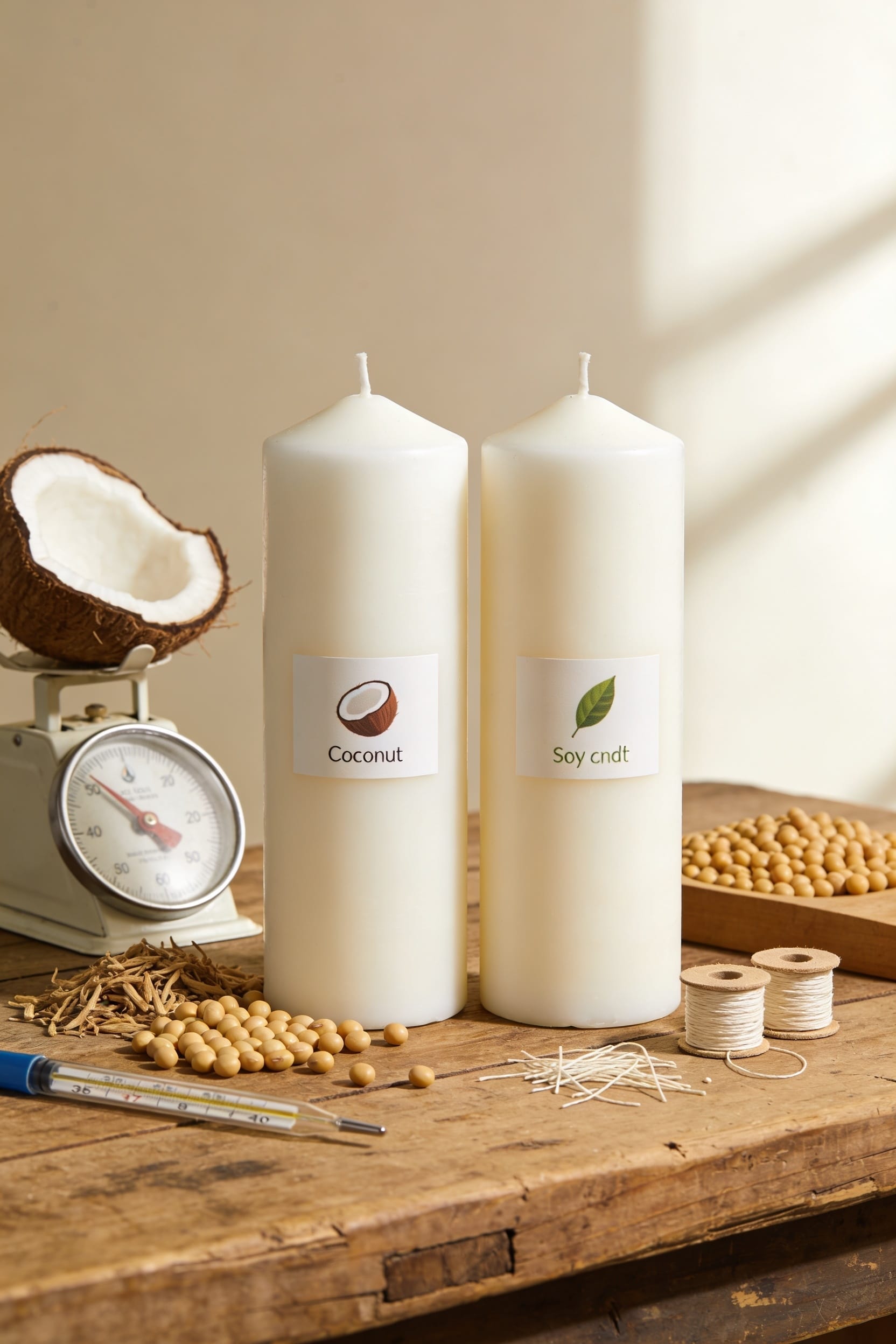
Coconut Wax vs. Soy Wax: Scent Throw, Burn Time & Cost Breakdown

Look, here’s the thing: coconut wax holds up to 12% fragrance oil—that’s the amount of scent you can safely add—and throws it immediately, while soy maxes out around 10% and builds gradually. Coconut burns efficiently with virtually zero soot, but costs more. Soy burns 30–50% longer and won’t break your budget. I’d blend them 60/40 to balance scent strength, cost, and longevity. The real performance differences reveal themselves once you run side-by-side test burns.
Key Takeaways
- Coconut wax holds 12% fragrance capacity versus soy’s 10%, delivering stronger cold and hot scent throw.
- Coconut burns as long or longer than soy while producing virtually zero soot for cleaner air.
- Soy wax costs less but builds fragrance gradually; coconut provides immediate, richer scent release throughout burning.
- A 60/40 coconut-soy blend balances superior scent performance with lower cost and sustainable sourcing.
- Coconut wax commands premium pricing justified by extended burn time, maximum fragrance capacity, and clean combustion.
Which Wax Delivers Stronger, Longer-Lasting Fragrance?
When you’re standing in front of two finished candles—one coconut, one soy—and you light them both, here’s what you’re really asking: which one’s going to fill your room with fragrance, and which one’s going to keep doing it until the last pour melts away?
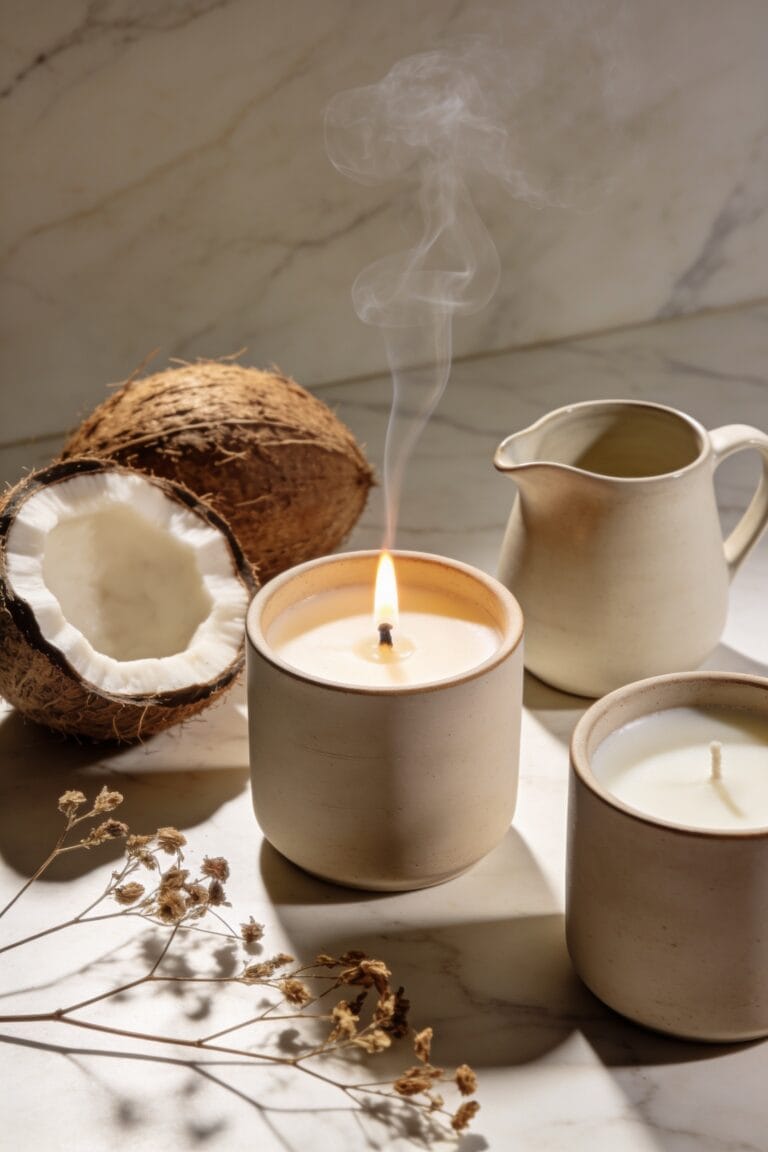
Coconut wax holds up to 12% fragrance concentration—that’s the amount of fragrance oil the wax can actually absorb—compared to soy’s 10% max. You’ll notice this immediately. Coconut delivers strong, even scent release from the moment you unlit it, what we call cold throw. When burning, it maintains that richness throughout the candle’s life. Soy builds fragrance gradually, softer and subtler. Coconut’s superior performance here justifies its premium cost if powerful scent throw matters to you.
Recommended Products

Professional Wax Melter for Candle Making or Soap Making, Melter 3 Gallon Stainless Tank, Extra Deep for Your Larger Batches Of Candles or Soap, This Has Been Designed From Customers Requests and is Unlike Other Competitors.

Industrial 67 Lbs Capacity Wax Melting Pot Pro Package Model: Includes Large Spout, Lid, Pouring Pot, Stirring Spoon. Cutting-edge technology ensures rapid melting of soy wax, paraffin, coconut, and beeswax for efficiency. It's perfectly suitable for most Wax types and Melt & Pour soap bases. Its user-friendly temperature guage allows temperature adjustment from from low to high temperature which maintains roughly 100 - 350 degrees Fahrenheit.

65 LBs Capacity Wax Melting Pot Pro Package Model: Includes Large Spout, Lid, Pouring Pot, Stirring Spoon. Cutting-edge technology ensures rapid melting of soy wax, paraffin, coconut, and beeswax for efficiency. While it can't be used for lye soap making due to aluminum's reactivity with lye, it's perfectly suitable for Melt & Pour soap bases. Its user-friendly temperature guage allows temperature adjustment from from low to high temperature which maintains roughly 100 - 350 degrees Fahrenheit.
How Long Do Coconut and Soy Candles Actually Last?
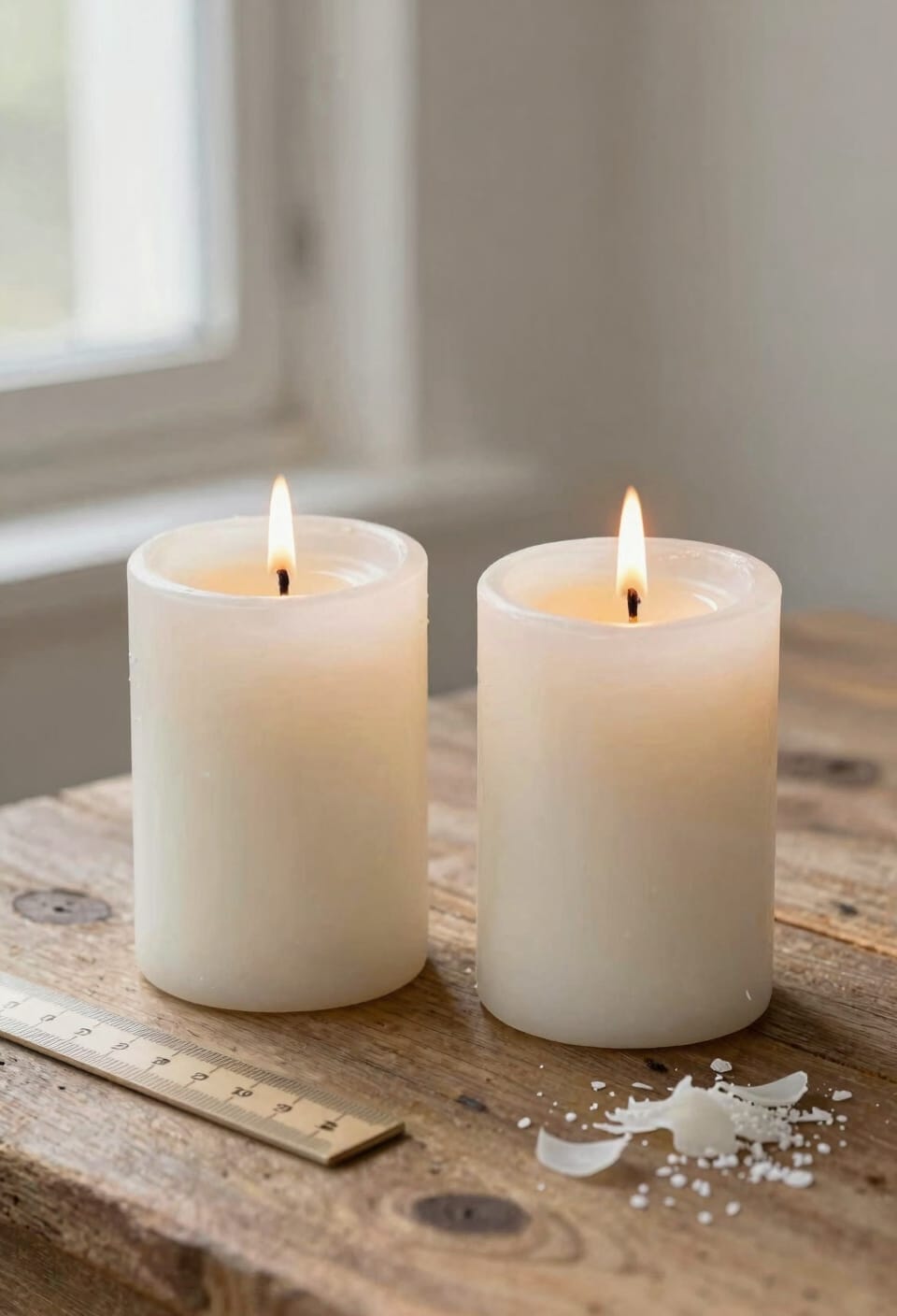
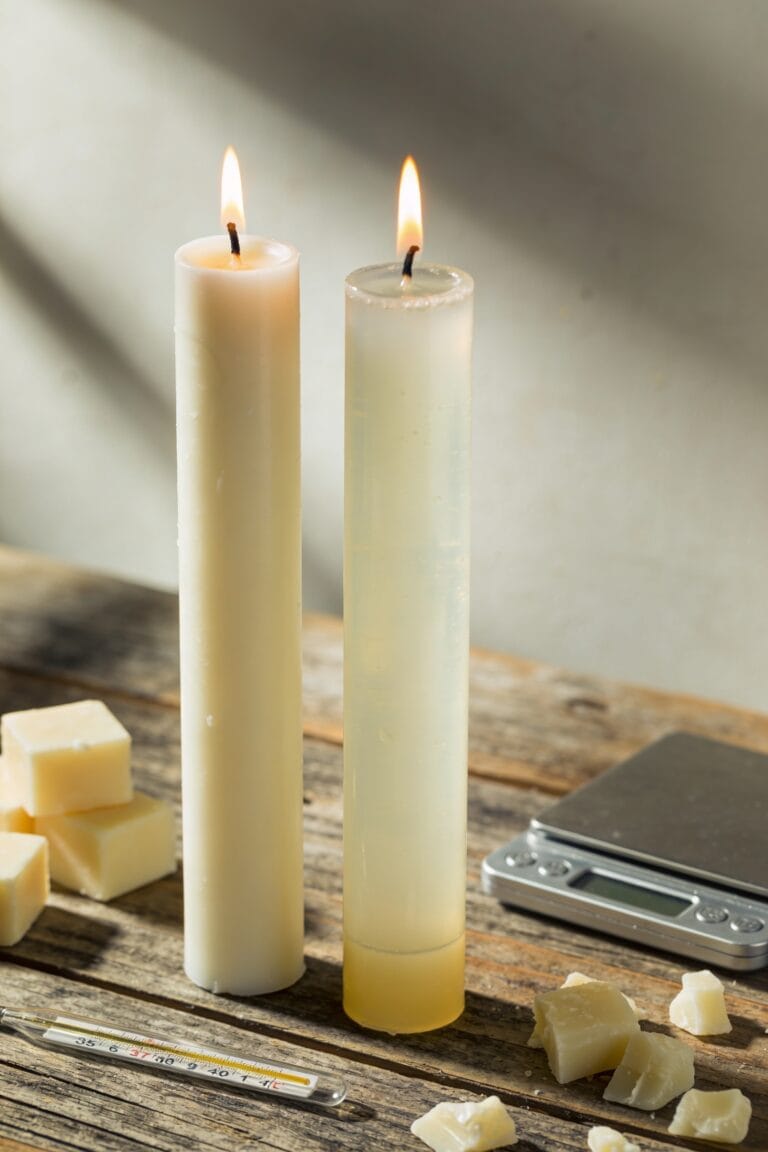
How long your candle actually burns comes down to the wax you choose—and honestly, this is where coconut and soy start to show their real differences. Soy wax burns 30-50% longer than paraffin, which is solid if you’re after extended candle lifespan. Coconut wax, though? It matches or beats soy despite similar melting points, burning slowly and efficiently without wasting chunks to tunneling—that’s when wax burns down the center while edges stay solid.
Here’s the thing: wick maintenance matters. A properly sized wick keeps your candle burning at the right pace. Coconut wax melts evenly, so you’ll get consistent burn time throughout the candle’s life. I’ve seen soy candles peter out unevenly, but coconut stays reliable. Either way, you’re getting serious longevity compared to paraffin.
Recommended Products

You know it as: Pearled Wax, Pearled Candles, Candle Pearls, Pearl Wax, Candle Powder, Granulated Natural Plant Based Wax.

MASSIVE 8" × 14" LUXURY CANDLE – 300 OZ OF NATURAL COCONUT SOY WAX Make a statement with this Classic Big Ass Candle—our largest candle. This luxury candle delivers bold presence, elegant style, and room-filling fragrance. Perfect as a centerpiece for living rooms, great rooms, and upscale spaces.
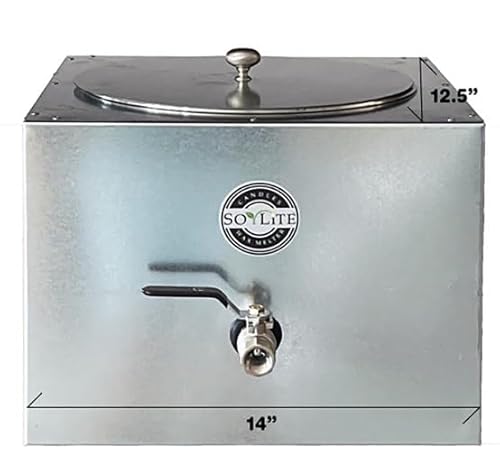
Profeshional wax melter for candle making, Effortlessly make large batches candles . No more messing with temperature control. This new wax melter automatically keeps wax around 180 to 190 degrees. Just simply add wax and turn on. If you are running a small business or handling a big custom order? SoyLite will help save you time.
Why Coconut Wax Produces Less Soot
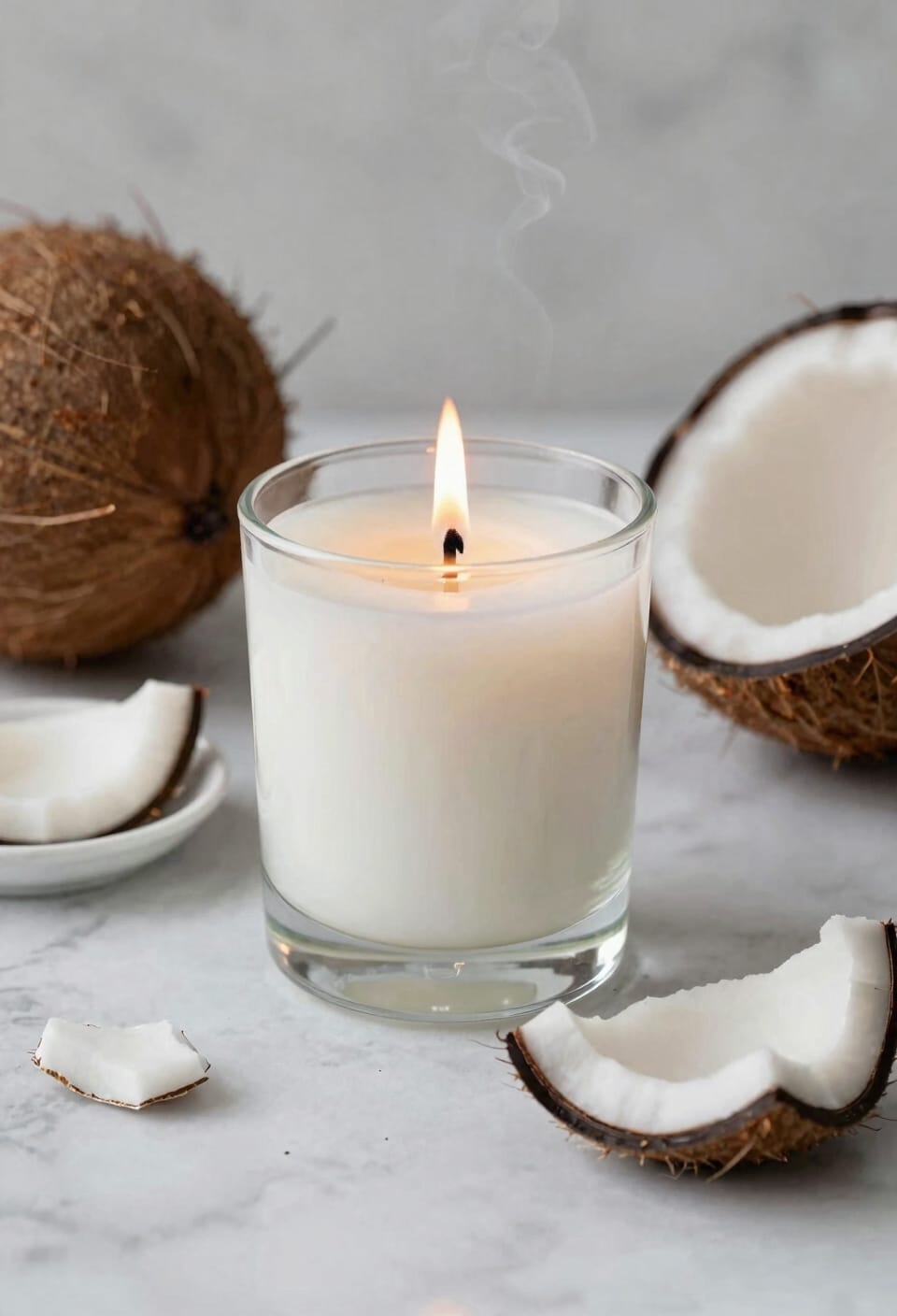
Because coconut wax has a cleaner molecular structure than paraffin, it burns with virtually zero soot—and that’s not marketing speak, that’s actual chemistry. Here’s the thing: coconut wax’s lipid composition is fundamentally different from paraffin’s. When you’re burning coconut wax, the combustion chemistry produces almost no unburned carbon particles. That black stuff you see on jar walls? That’s soot—tiny carbon byproducts from incomplete burning. Soy wax does better than paraffin, but coconut still wins. The molecular bonds in coconut wax break down more cleanly during combustion, leaving your walls pristine and your air quality noticeably better. You’ll notice the difference immediately, especially in smaller rooms where soot buildup becomes obvious fast.
Recommended Products

45 Pound Case A luxurious, creamy coconut apricot candle wax blend for luxury candle making. This candle wax also has a very small amount of refined food grade paraffin wax to help with wax performance. We have found that this small addition of paraffin wax enhances its burn characteristics that candle makers love.
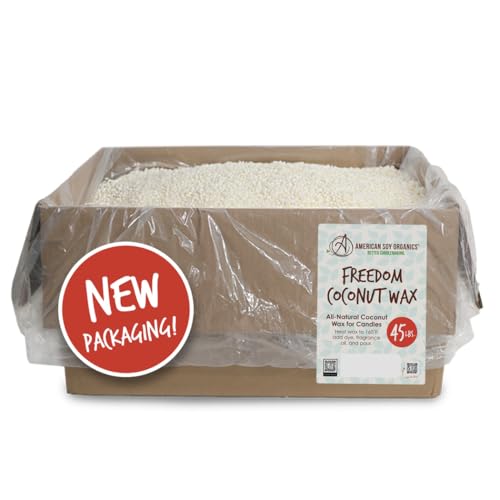
NATURAL COCONUT SOY WAX BEADS - Best candle making supplies make the best natural candles! Our safe, ethically produced, microwavable and paraffin-free coconut wax beads are smooth and creamy in appearance, perfect for candles, tealights and wax melts.

Apricot Wax: Our natural apricot wax for candle making creates clean and soot-free burns. This blend is made with high quality apricot, coconut, soy derived ingredients and small amounts paraffin for enhanced performance during your candle making process.
How to Blend Coconut and Soy Wax
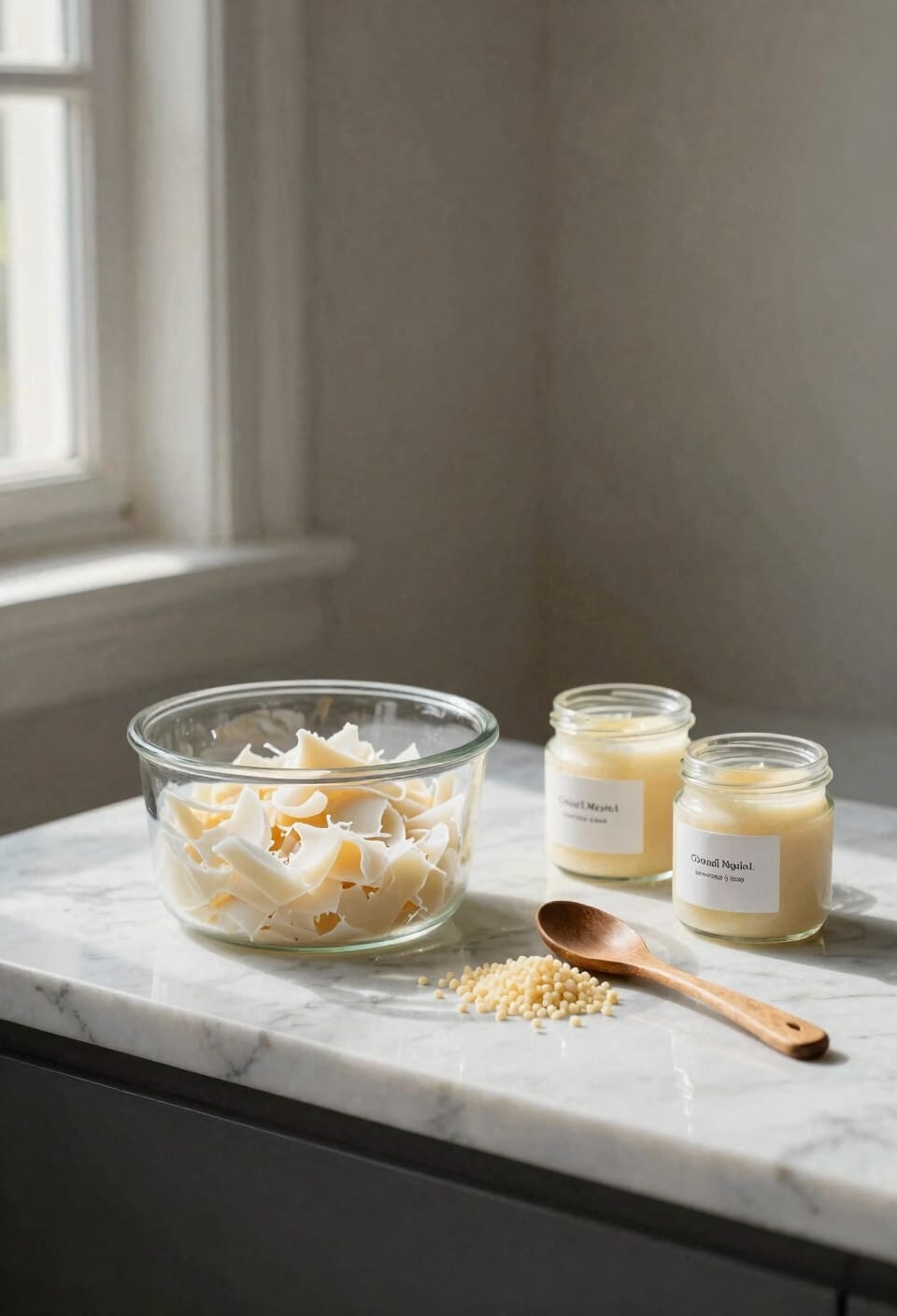
If you’re serious about dialing in both scent performance and burn quality without completely emptying your wallet, blending coconut and soy wax is genuinely where the magic happens. Start with a 50/50 ratio and adjust from there based on your fragrance compatibility needs. I’d suggest testing a 60% coconut, 40% soy blend first—you’ll get that superior scent throw coconut delivers while keeping costs reasonable and maintaining soy’s extended burn time.
Container testing is non-negotiable here. Pour small batches in identical vessels, let them cure properly, then burn them side-by-side under identical conditions. You’ll see exactly how different ratios perform in your actual space. The blend that works beautifully in one room might surprise you in another. Trust the data, not just theory.
Recommended Products
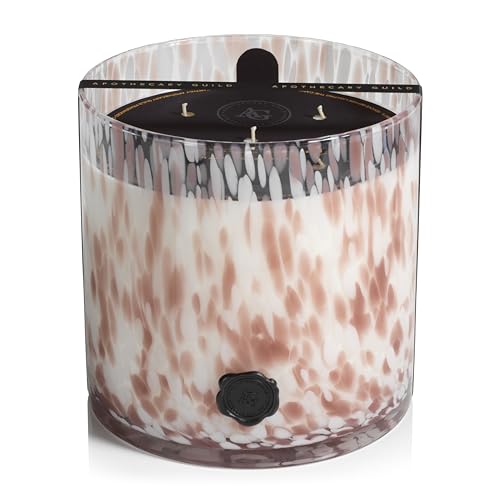
INDULGE IN LUXURY FRAGRANCE: Add sophistication to any space with the Apothecary Guild 5-wick scented candle, encased in a stunning blue tortoise-patterned glass jar. With a signature seal stamp and 150 hours of burn time, it’s the perfect way to infuse your home with elegance and warmth.

MASSIVE 8" × 8" LUXURY CANDLE –150 OZ OF NATURAL SOY WAX Make a statement with this Baby Big Ass Candle—our smaller of the 2 two iconic oversized design. This luxury candle delivers bold presence, elegant style, and room-filling fragrance. Perfect as a centerpiece for living rooms, great rooms, and upscale spaces.

UNIQUELY HANDMADE: Perfect for a relaxing ambiance! Each scented candle is crafted from a real coconut shell, providing a unique and sustainable touch. Hand-poured charm at its finest.
Is Premium Coconut Wax Worth the Extra Cost?
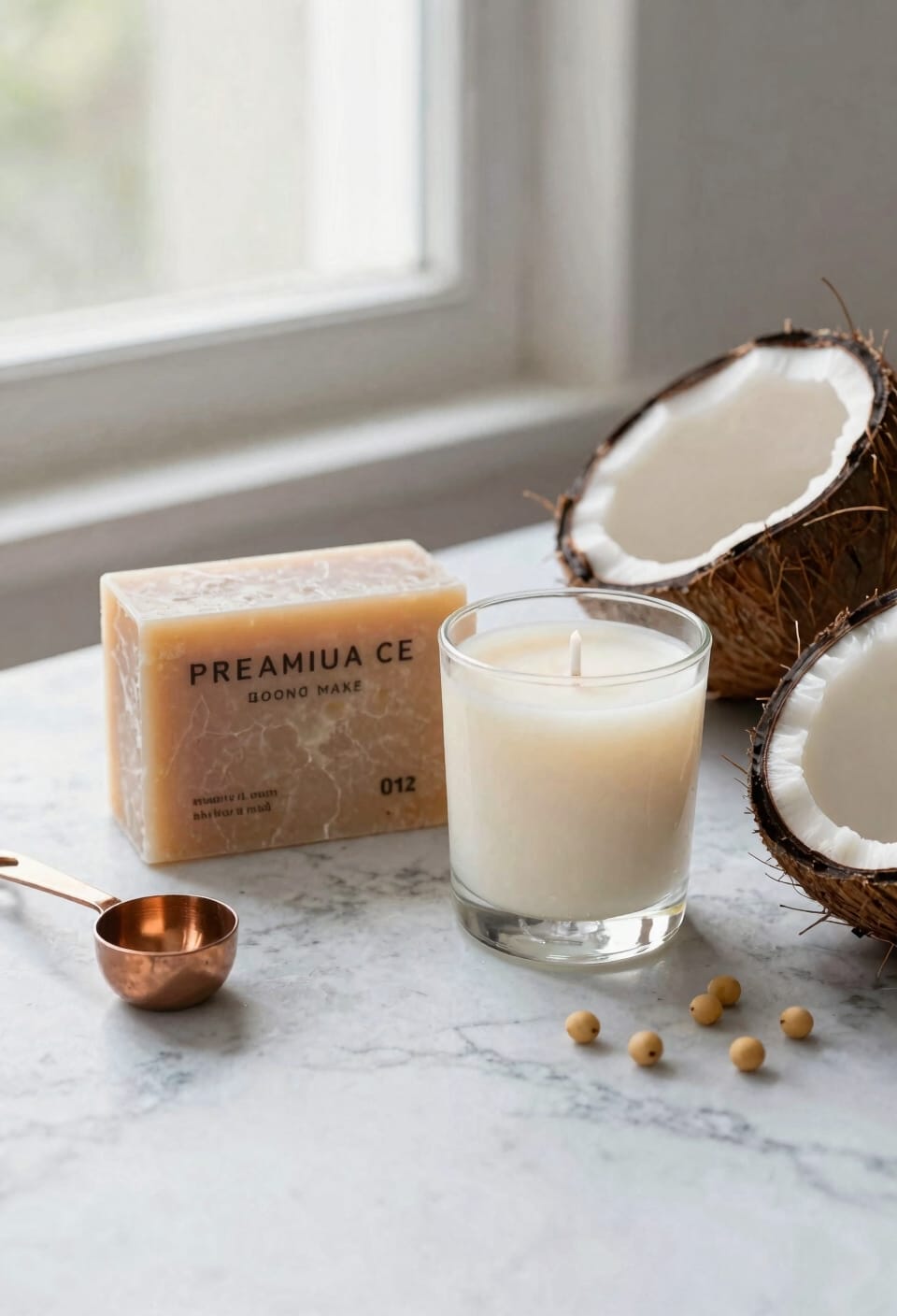
When you’re standing in front of your spreadsheet staring at coconut wax prices that make your eyes water, the question isn’t really whether premium coconut wax is worth it—it’s whether *your candles* are worth it. Here’s the thing: coconut wax commands luxury positioning for legitimate reasons. It holds 12% fragrance versus soy’s 10%, burns cleaner with zero soot, and delivers superior scent throw that justifies premium pricing to discerning customers. Market perception matters. Buyers recognize quality. If you’re targeting high-end markets where customers expect refined performance and clean burning, coconut wax’s cost differential pays dividends through customer loyalty and repeat purchases. Blend it with soy for a middle ground, but don’t underestimate what premium performance does for your brand story.
Recommended Products


100% Pure Beeswax - Beesworks Beeswax is totally pure, Grade A, triple filtered beeswax. Our premium filtered yellow beeswax is the highest quality cosmetic grade and contains zero additives, so you can be sure you are making an effective and safe choice.

CANDLE MAKING SUPPLY KIT: 50lbs soy wax, 500 cotton wicks, 500 glue stickers, 10 metal wick holders. Includes Everything you need to make your own candles.
Are Coconut and Soy Wax Sustainable?
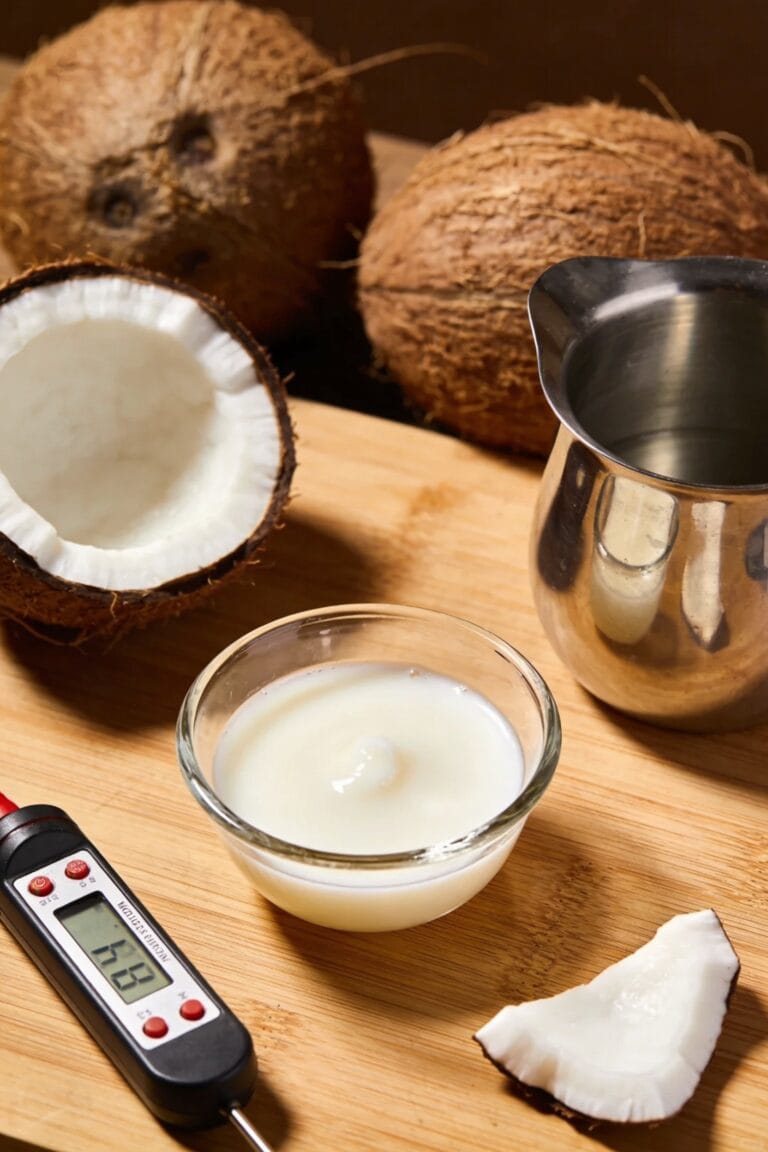
Both coconut and soy wax come from renewable plant sources, which immediately separates them from paraffin—that petroleum byproduct that’s been the candle industry’s default for decades. Here’s the thing: coconut wax comes from cold-pressed coconut oil, while soy wax is made from hydrogenated soybean oil. Both are biodegradable and genuinely sustainable if you’re sourcing responsibly.
Now, I’ll be honest—environmental certifications matter here. Look for suppliers who can trace their supply chain, showing you exactly where these materials originate. Not all plant-based waxes are created equal. Some soy producers contribute to questionable agricultural practices, while quality coconut wax producers maintain transparent sourcing. You’re paying premium prices; demand transparency. Both beat paraffin’s environmental footprint markedly, but do your homework on where you’re buying from.
Frequently Asked Questions
Can I Mix Coconut and Soy Wax Together, and What Are the Ideal Ratios?
Yes, I’d recommend mixing coconut and soy wax together. Start with compatibility testing using 70% coconut to 30% soy wax ratios. You’ll achieve balanced scent throw, extended burn time, and cost efficiency through this blending approach.
Does Coconut Wax Require Curing Time Like Soy Wax Before Use?
I’ll tell you that coconut wax doesn’t require the curing time soy wax does. There’s a common misconception here—coconut wax performs immediately. Storage effects matter more than curing for peak scent throw.
Which Wax Is Better for Sensitive Individuals Concerned About Indoor Air Quality?
I’d recommend coconut wax for you. It produces absolutely zero soot and contains no toxic emissions, making it ideal for hypoallergenic formulations. You’ll experience cleaner indoor air quality compared to soy wax’s minimal soot output.
How Do Cold Throw Differences Between Coconut and Soy Wax Affect Purchase Decisions?
I’d say cold throw dramatically shapes your scent perception before you even light the candle. Coconut wax’s superior cold throw becomes your buying motivation—you’re getting that luxurious fragrance experience immediately, justifying the premium price.
What Fragrance Oil Percentage Works Best for Each Wax Type?
I’d recommend 10-12% fragrance for coconut wax, 8-10% for soy. A luxury brand I worked with tested both using burn-time methods, finding coconut’s ideal percentages delivered superior scent throw without overwhelming spaces.
Conclusion
Look, you’ve got your answer: coconut wax whispers elegance while soy hums dependably. Coconut’s the prima donna—pricier, cleaner-burning, subtly superior. Soy’s the reliable friend who shows up. I’d blend them, honestly. You get coconut’s refinement married to soy’s affordability and burn consistency. Neither’s a misstep. Your wallet and your conscience will rest easier knowing you’ve chosen the gentler path forward.