As an Amazon Associate, we earn from qualifying purchases. Some links on this site are affiliate links at no extra cost to you. Our recommendations are based on thorough research and editorial judgment.

Can You Use Mica Powder in Candles? What’s Safe and What to Avoid

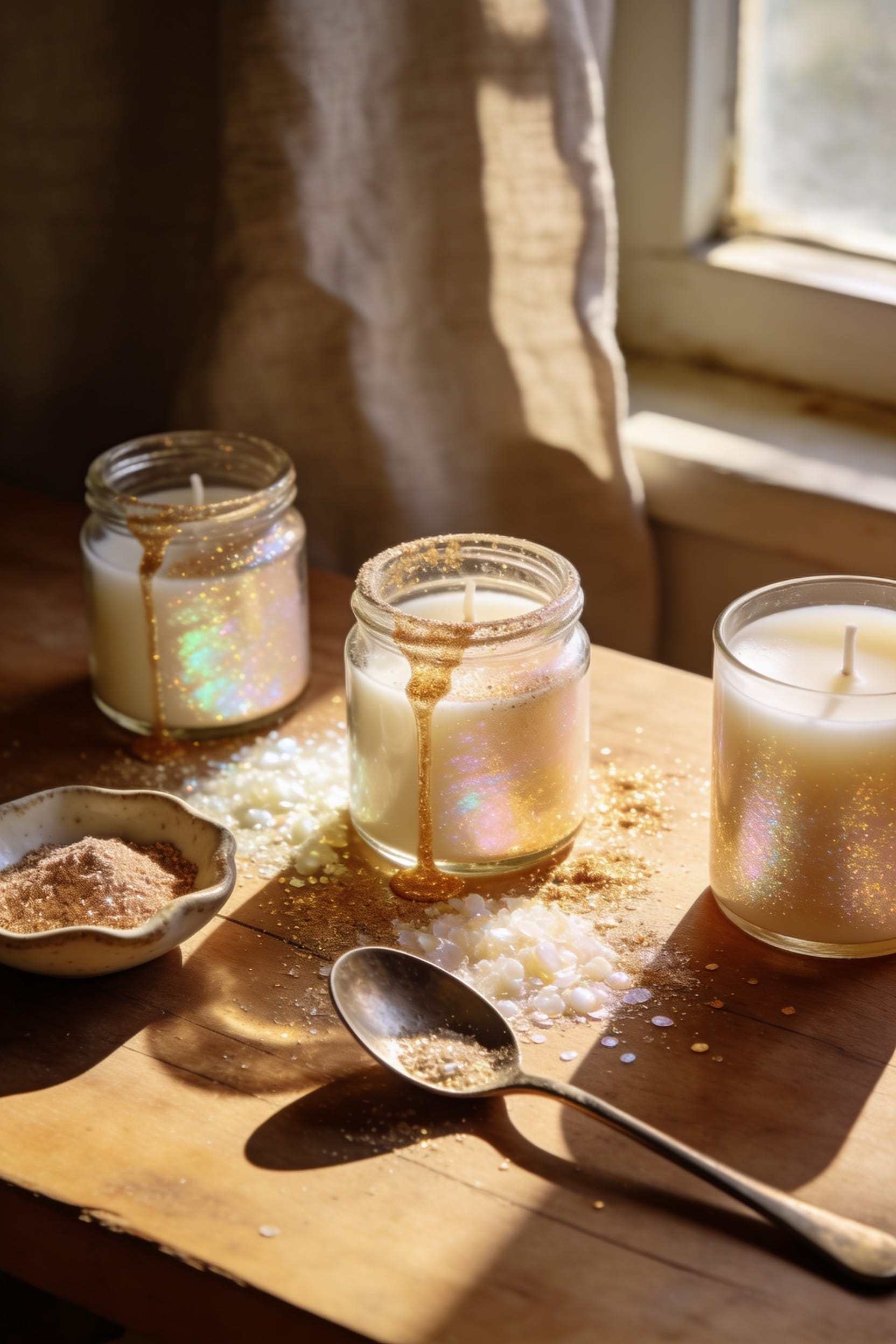
Yes, you can use cosmetic-grade mica in candles, but here’s the catch: it doesn’t dissolve in wax, so it settles and clogs cotton wicks like nobody’s business. Wax melts and surface-dusted container candles work best. Wooden wicks perform better than cotton when mica’s involved. Keep particles away from the flame zone, use modest amounts, and know that soy wax requires more mica than paraffin to achieve the same shimmer. Stick with wickless applications if you want zero headaches.
Key Takeaways
- Cosmetic-grade mica is safe for candles when used in small amounts; always verify non-toxic formulation and avoid harmful additives.
- Wax melts and surface-dusted container candles work best; avoid excess mica in wicked candles as it clogs wicks and causes smoking.
- Wooden wicks outperform cotton wicks in mica-containing candles; keep mica away from flame zones to prevent flickering and poor performance.
- Paraffin wax holds mica better than soy; soy wax requires extra mica for comparable shimmer due to faster particle settling.
- Apply mica by stirring into fully melted wax or surface dusting after cooling; test small batches first to assess color and suspension.
When Is Mica Powder Safe to Burn in Candles?
Burning mica powder in candles comes down to one thing: you’ve got to use cosmetic-grade mica that’s non-toxic and free from harmful additives. Look, I’ve tested this plenty of times, and small amounts suspended in wax produce no harmful fumes during clean combustion. The key is staying within regulatory limits for cosmetic-grade materials—basically, don’t go overboard.
Now, skin-safe natural ingredients are removable with soap and water, which tells you they’re gentle enough for burning in controlled amounts. Avoid inhalation of particles during application, and you’re golden. The real risk isn’t the mica itself—it’s overloading your candles. Excess mica clogs wicks, causes smoking, and creates uneven burning. Use sparingly, stick with cosmetic-grade, and you’ll avoid the mistakes I’ve already made for you.
Recommended Products

BOLD COLORANT: Only the finest grade pigments available on the market. Now available on amazon!

(24 Colors) Large 3.5oz (100g) Pouches: Features Jewelescent Dry Mica Pearl Powder Pigment in a resealable, easy-pour pouch. This comprehensive collection features a full spectrum of unique colors, from Luster White to Midnight Black.

This medium-deep purple mica has a wonderfully mature, sophisticated, appearance. It has excellent coverage and adhesion and a low sheen.
Which Candle Types Work Best With Mica?
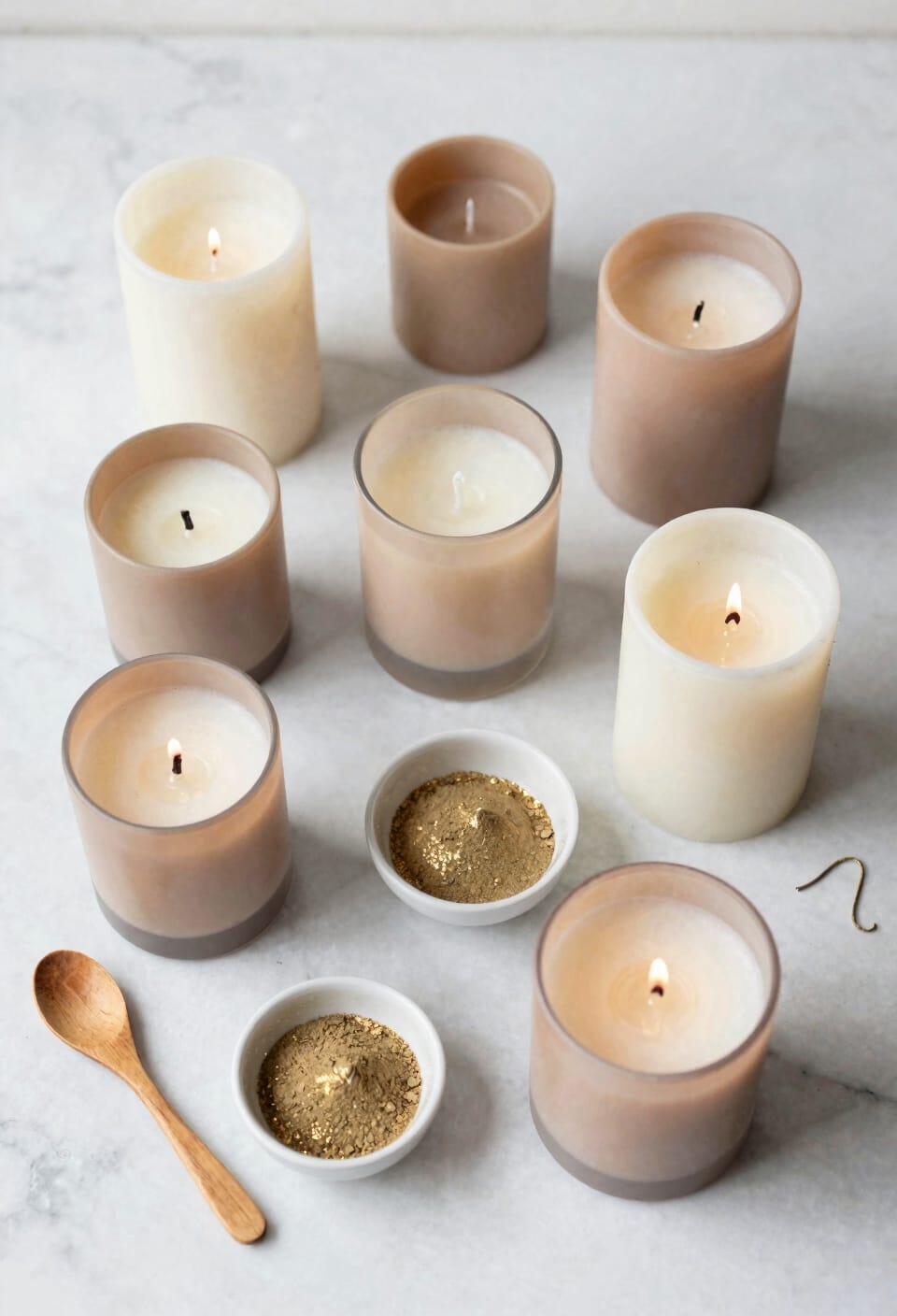
Now that you’ve got the safety part down, it’s time to figure out which candle types actually play nice with mica—because here’s the thing, not every candle format benefits equally from those shimmery particles. Wax melts are genuinely your best bet. I’d stir mica directly into melted wax before pouring into silicone molds, and you’ll get uniform shimmer throughout without any burning concerns. Container candles work too, though I’ll be honest—mica settles at the bottom, which looks less polished. Wickless applications dodge burn issues entirely. Avoid traditional pillar candles with wicks if you’re adding mica. Those fine particles clog cotton wicks and wreck your flame. If you’re determined though, wooden wicks help prevent clogging better than cotton ever will.
Recommended Products

NATURAL SOY WAX BEADS - Best candle making supplies make the best soy candles! These safe, ethically produced, microwavable and paraffin-free soy wax beads are smooth and creamy in appearance, perfect for container candles, tealights and melts.

NATURAL SOY WAX BEADS - Best candle making supplies make the best soy candles! These safe, ethically produced, microwavable and paraffin-free soy wax beads are smooth and creamy in appearance, perfect for container candles, tealights and melts.

【10Lbs Wax Melting Pot】TOAUTO designed our candle wax melter pot for making candles in bulk easier than ever before! Wax machine could do 10Lbs wax at a time improve your candle making production line and save your time A LOT! Get started in your candle business and DIY your own holiday gift candles.
Why Mica Candles Fail: Clogging, Settling, and Uneven Burn
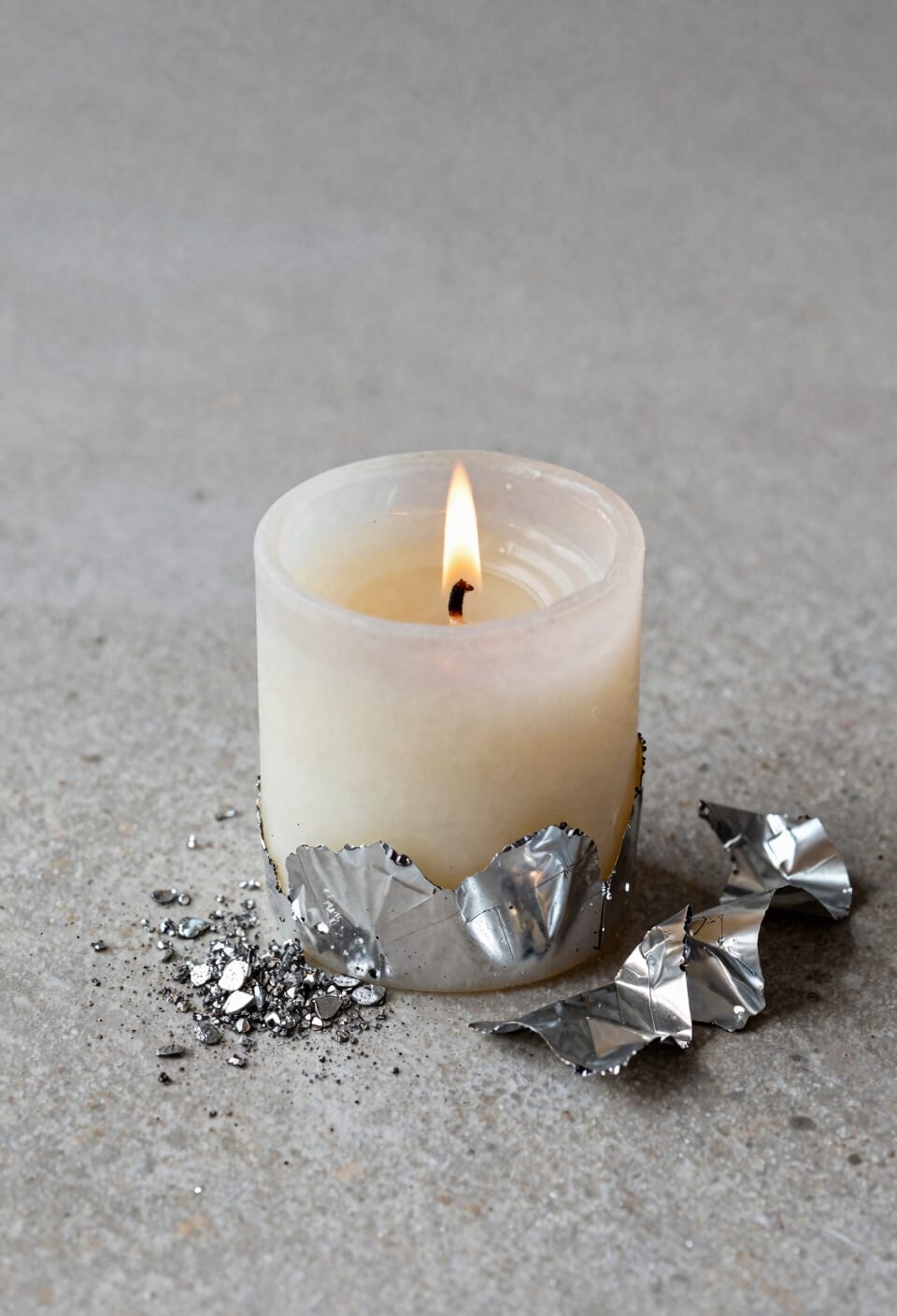
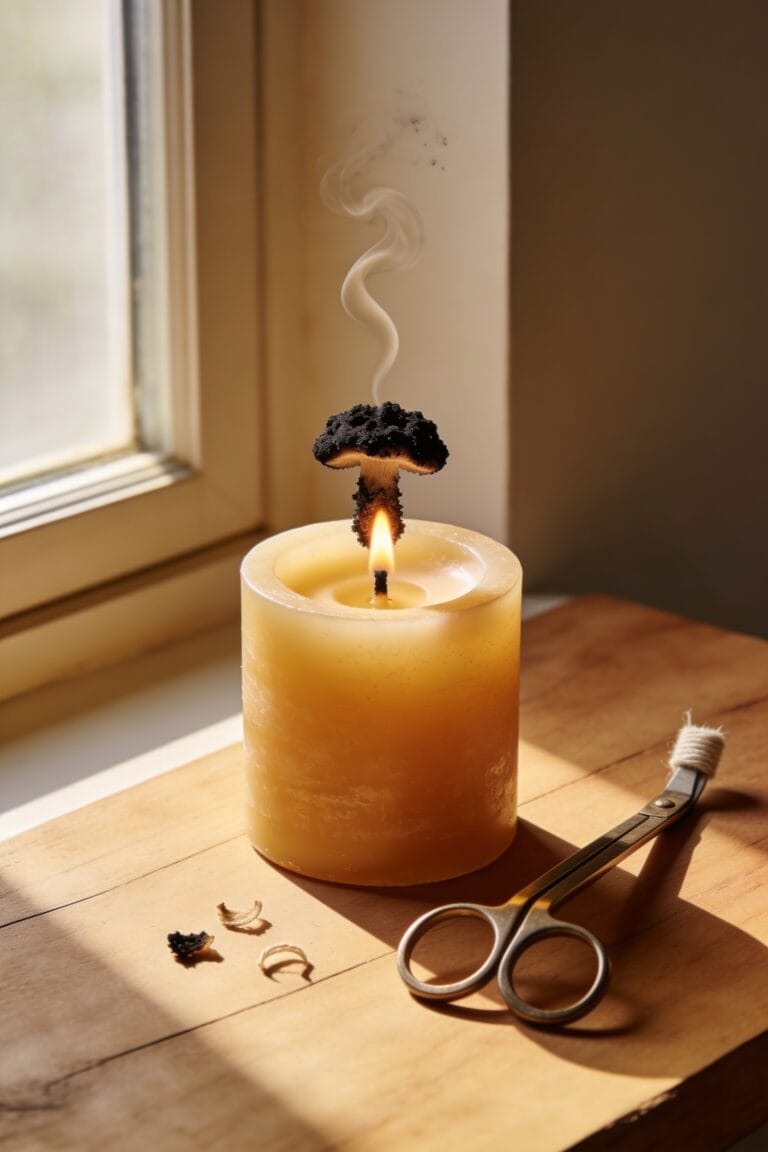
When you add mica to a traditional wicked candle, you’re basically inviting a cascade of small problems that build on each other—and I’ve watched it happen enough times to know exactly how it plays out. Fine mica particles clog cotton wicks, choking the flame into a frustrating flicker. You’ll notice waxy residue building up around the wick, and your burn becomes uneven or tunnels completely. Here’s the thing: mica doesn’t dissolve in wax, so heat instability makes it sink to the bottom of container candles over time. Excess mica near the wick causes smoking, reduced scent throw, and sometimes self-extinguishing. Wooden wicks handle it better since they’re wider, but honestly? Wax melts and pillar candles are where mica actually belongs.
Recommended Products

Wax melter for candle making , Large pot holds approximately 7 Qts or 14 Lbs of Melted Wax! Super- Fast Wax Melter can melt Soy Wax, Paraffin, Coconut, Beeswax. Easy to use temperature setting to adjust your tempature as needed.

NATURAL SOY WAX BEADS - Best candle making supplies make the best soy candles and melts! These safe, ethically produced, microwavable and paraffin-free soy wax beads are smooth and creamy in appearance, perfect for tarts, tealights and melts.

【Super Surprise Color Combination】:Our pearlescent mica powder has 144 spectacularly vibrant and beautiful colors,each bottle is 10g/0.35oz.Just a little mica powder can bring a very gorgeous effect.With its shiny surface,this mica powder pigment provides a gorgeous and lasting effect for your artistic creation.
How to Apply Mica Without Damaging Your Wick?
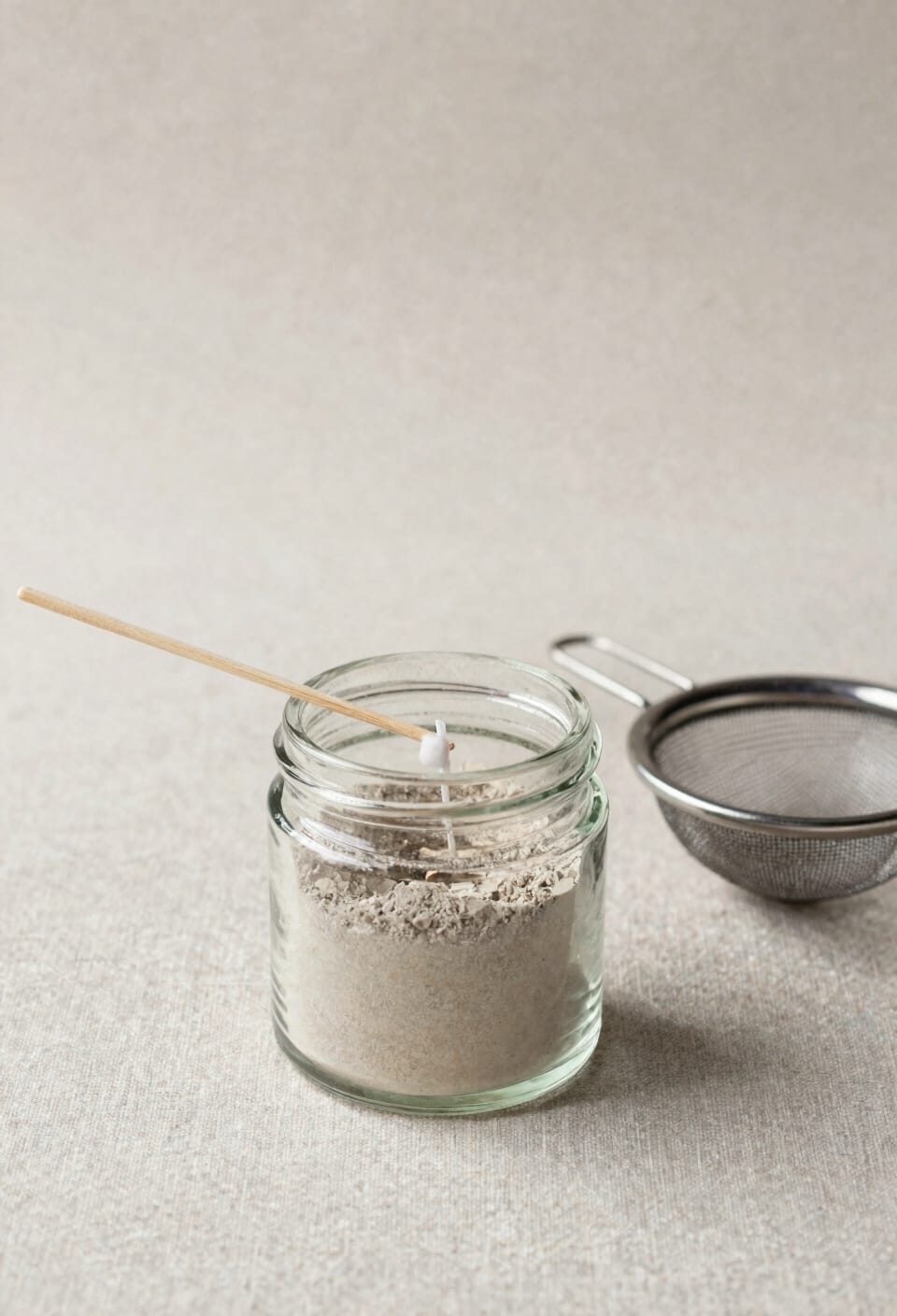
If you’re going to use mica in a wicked candle at all, the key is keeping it as far away from the flame as possible—which sounds obvious, but I’ve seen people stir mica throughout their entire pour and wonder why their candles won’t stay lit. Surface dusting is your best bet for wick protection. Pour your candle normally, let it cool slightly, then dust mica onto the top with a makeup brush. This keeps fine particles away from the flame where they’d clog your cotton wick. If you’re committed to wicked candles, use wooden wicks instead—they’re more forgiving. Never let mica settle near the wick zone. Stick with container candles or wax melts instead; they’ll give you better results without the burn headaches.
Recommended Products

Eco-Friendly Wax Pearls: Receive 19oz of our eco-friendly, sustainable wax pearls. It lets your candles look brand new every time you light them—just replace the wick to refresh your pearled candle

Packing: Include 400 cherrywood candle wicks, 200 metal bases, and 200 glue dots. The size of each wooden wick is 5.1"*0.5" /13*1.3cm and the thickness is 0.019"/0.5mm

Wax melting pitcher with 16oz wax: a great starter candle kit; will burn clean and smooth; wax melting pot is 5-inch-tall by 4.6 inch in diameter with seamless aluminum construction, can hold up to 2 pounds of melted wax
Getting Results: Adjusting Shimmer and Color by Wax Type
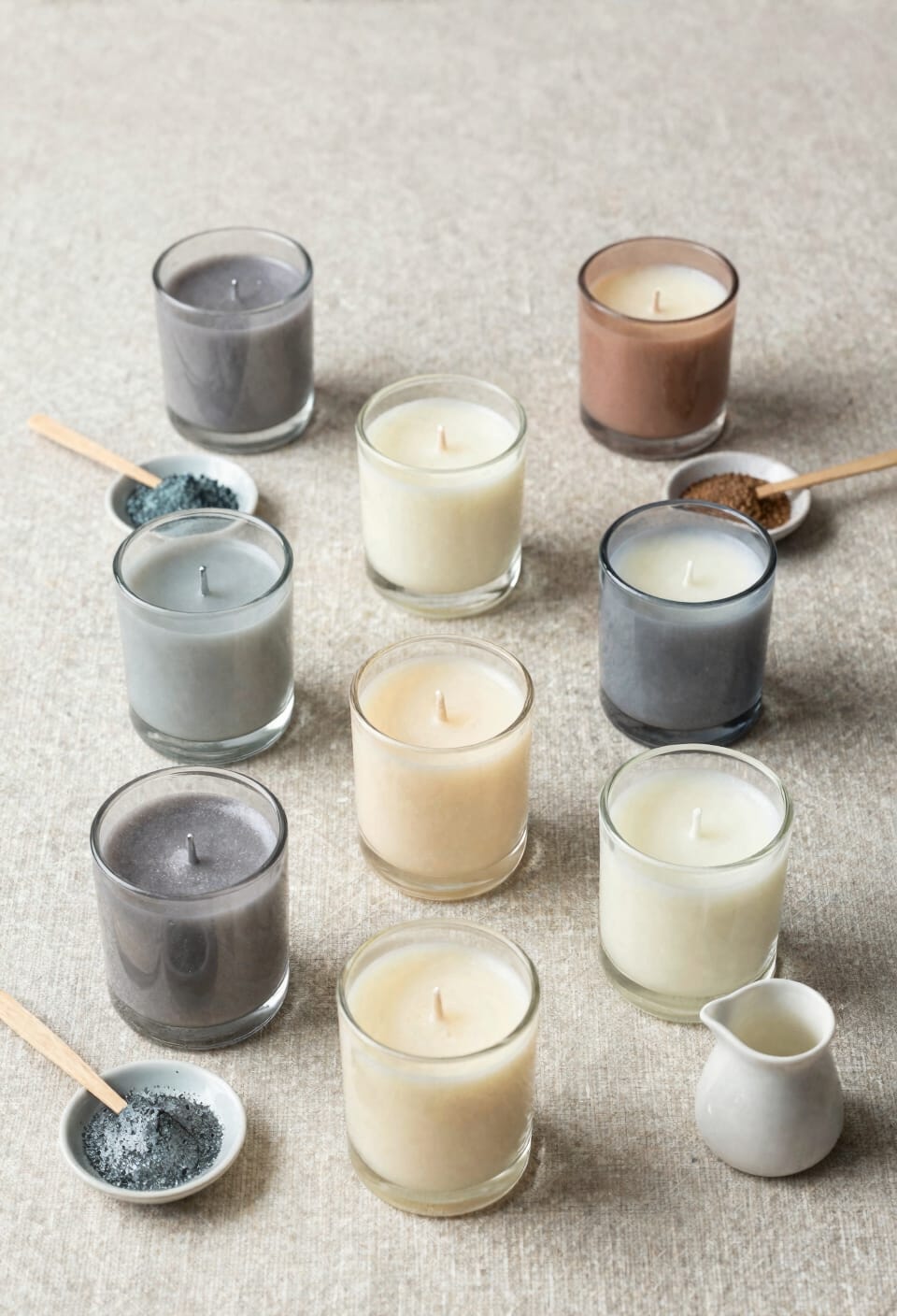
One of the trickiest parts of working with mica is that it doesn’t behave the same way across different wax bases—and I learned this the hard way after pouring a batch of soy candles that looked dull as dishwater compared to the same mica in paraffin. Here’s why: paraffin contrast is sharper because paraffin holds suspended particles near the surface longer, while soy wax lets them drift downward faster.
For soy adjustments, you’ll need more mica than you’d use in paraffin to achieve comparable shimmer. I typically add an extra pinch or two. Stir thoroughly into fully melted wax before pouring. With paraffin, even modest amounts create noticeable glitter. Coconut wax splits the difference—decent hold, though not quite as dramatic as paraffin. Test small batches first. Color intensity shifts too, so don’t assume your recipe translates across wax types.
Recommended Products

【 ❤️ CHAMELEON MICA POWDER QUALITY 】- The set includes 40 chameleon mica powders. Each color contains 0.1oz bottles covering all hues of Blues, Greens, Violets, Purples, Cyans, Golds, Red, Yellows, Oranges, Brown, Turquoise. This set is different from other Baltic Day chameleon pigments, this includes only Chameleon Colors.

ALL NATURAL: Our soy wax is 100% natural and completely nontoxic. Thanks to its premium quality, this soy wax is very easy to blend with the candle coloring dyes and candle fragrance scents, so you can be sure that your handmade DIY candles will be beautiful and aromatic

【Simple Candle Making Starter Kit for Beginners】This candle making starter kit provides basic supplies for those who want to try candle making at home without committing to a full professional setup. Designed as an entry-level option for learning and practice.
Frequently Asked Questions
Can I Use Mica Powder in Soy Wax Candles Without Any Issues?
You can use mica powder in soy wax candles safely regarding health concerns, but you’ll need thorough stirring since it doesn’t dissolve fully. I’d recommend wooden wicks to prevent clogging, and expect some settling. Color longevity varies with application methods.
What Particle Size of Mica Works Best for Candle-Making Applications?
I’ve found that finer particles—specifically 10-60 microns—work best for you, though they’re prone to micron distribution issues and particle agglomeration. Wooden wicks prevent clogging better than cotton alternatives.
How Do I Prevent Mica From Settling to the Bottom of Candles?
I’d recommend stirring your mica thoroughly into melted wax at 140–170°F before pouring. This technique helps distribute particles evenly. You’ll also get better results using paraffin wax, which holds mica suspension longer than other wax types.
Is Cosmetic-Grade Mica Safe for Candles, or Do I Need Special-Grade?
Cosmetic-grade mica’s safe for candles since it meets cosmetic safety standards and regulatory requirements. I’d recommend it over non-certified grades because you’ll know it’s free from harmful additives and toxins.
Can I Mix Mica Powder With Fragrance Oils Before Adding to Wax?
I’d skip pre-mixing mica with fragrance oils—they’ll clump like glitter in a rainstorm. Instead, I stir mica into melted wax first, then add oils separately. This scent compatibility approach prevents uneven distribution and keeps your candles burning beautifully.
Conclusion
Look, mica powder can transform your candles into something genuinely beautiful—like catching candlelight in a prism. But here’s the thing: it’s not a free pass to ignore the fundamentals. You’ve got to respect your wax type, tend your wick carefully, and accept that sometimes shimmer demands sacrifice. I’ve learned this through trial and error. Start cautious, adjust gradually, and you’ll find your sweet spot.