As an Amazon Associate, we earn from qualifying purchases. Some links on this site are affiliate links at no extra cost to you. Our recommendations are based on thorough research and editorial judgment.

What Causes Candle Wick Mushrooming? (And How to Prevent Carbon Buildup)

Look, mushrooming happens when your wick’s too thick for your wax type or you’re burning paraffin with a heavy fragrance load—basically, the flame’s hotter than the wax can feed it, so carbon builds up. I’ve found the quickest fixes are trimming that wick to a quarter-inch before every burn, capping sessions at four hours, and testing a smaller wick gauge if problems persist. But there’s more nuance to this depending on your specific setup.
Key Takeaways
- Overwicking—using a wick too thick for your container and wax type—is the primary cause of mushroom cap formation.
- Wax type matters: paraffin is most prone to mushrooming, while soy and beeswax burn more cleanly with fewer carbon issues.
- Heavy fragrance loads and burn sessions exceeding four hours create excess fuel that leads to incomplete combustion and carbon buildup.
- Trim wicks to 1/4 inch before each burn and limit sessions to four hours to prevent mushroom formation.
- If mushrooming persists after trimming, test a smaller wick gauge to ensure proper fuel-to-flame ratio for your specific candle.
What Is Candle Wick Mushrooming and Why Does It Happen?
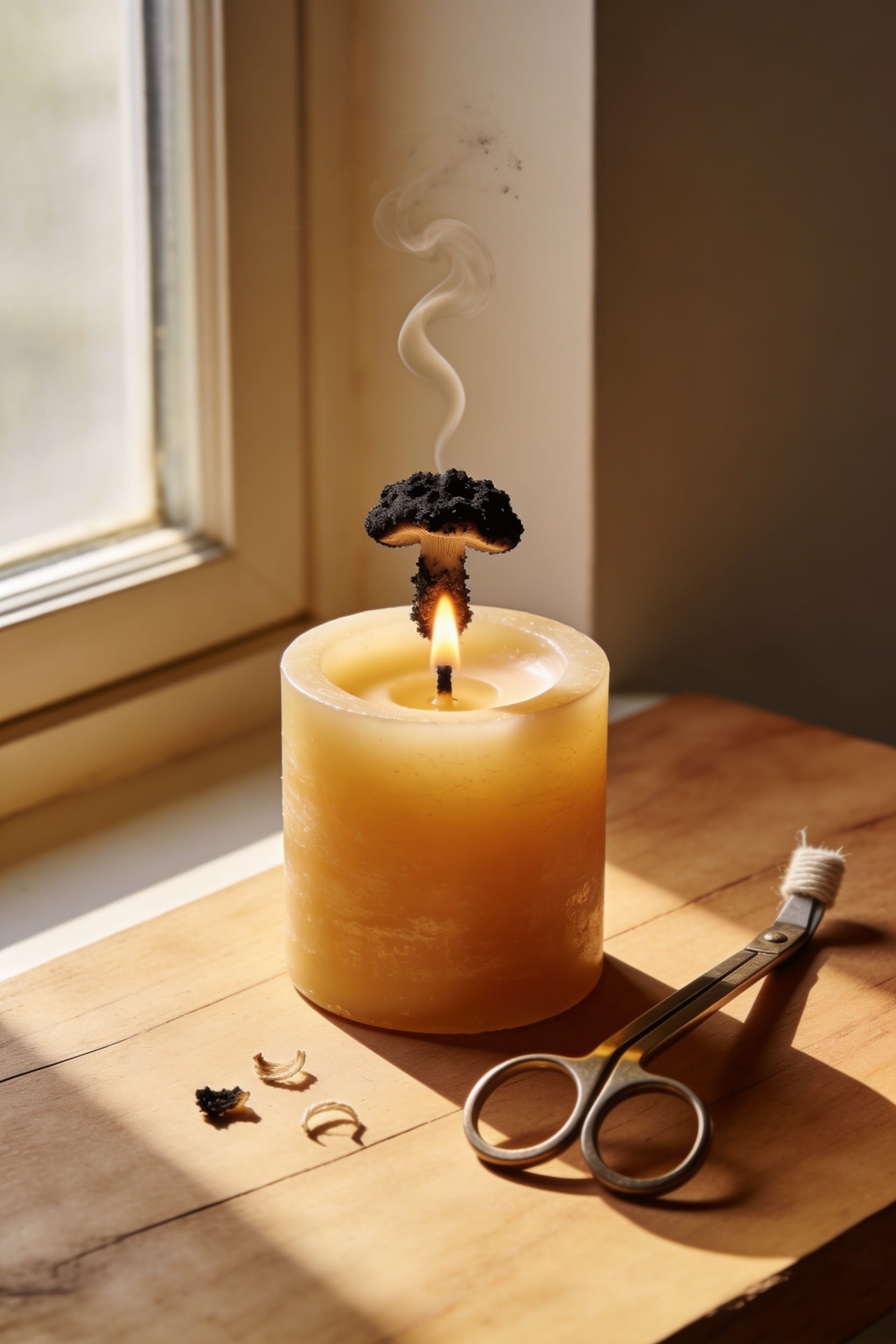
When you’ve been making candles for a while, you’ll notice something peculiar happening at the tip of your wick—a small black bulb that looks almost exactly like a mushroom cap, which is why we call it mushrooming. It’s carbon buildup from incomplete combustion. Here’s the thing: when your wick composition doesn’t match your wax type or container size, the flame consumes fuel unevenly. Airflow patterns around the candle matter too—they influence how efficiently that flame burns. The wax melts faster than the wick can burn it, so excess fuel accumulates as carbon. You’ll see the flame flicker, lean sideways, or burn too hot. It’s frustrating, I know. But understanding why it happens puts you halfway toward fixing it.
How Wick Size Contributes to Carbon Buildup
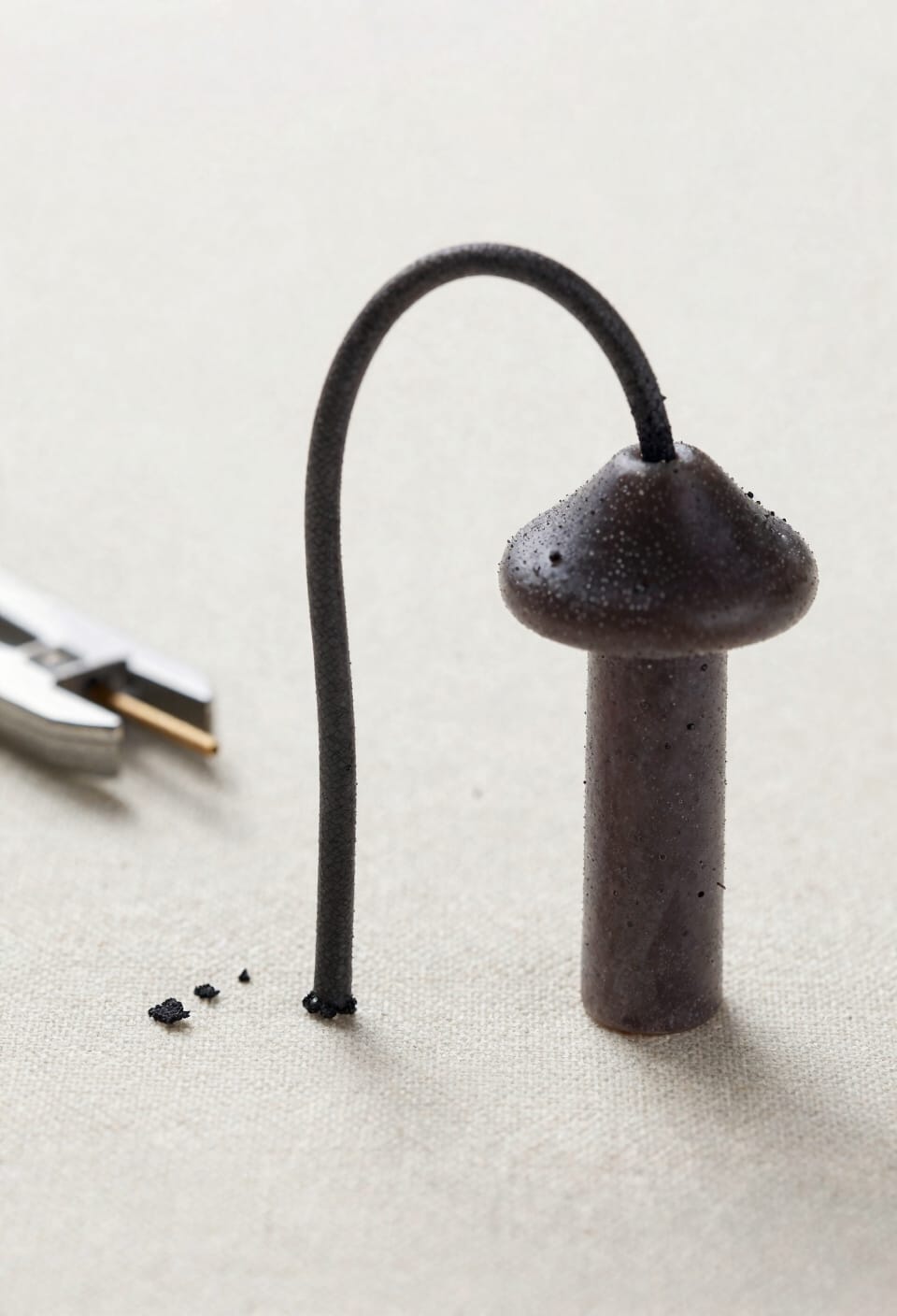
Because overwicking—that’s using a wick that’s too thick for your specific wax, fragrance load, or container diameter—is probably the single biggest reason I see mushrooming happen, it deserves its own serious look. When your wick diameter is too large, the flame burns hotter and faster than the wax beneath it can melt and feed upward. That imbalance creates carbon buildup at the tip. You’ll notice cap formation starting within the first burn or two. Paraffin wax suffers worst here, while soy and beeswax handle oversized wicks slightly better. The fix? Match your wick size to your container and wax type before pouring. Test smaller gauges if you’re unsure. Trust me, right-sizing prevents most mushroom problems before they start.
Recommended Products

14' (2-7') x 1" full length poles for extra strength

Our candles are highly scented using a unique blend of premium essential oil fragrances, which ensures a memorable fragrance experience.
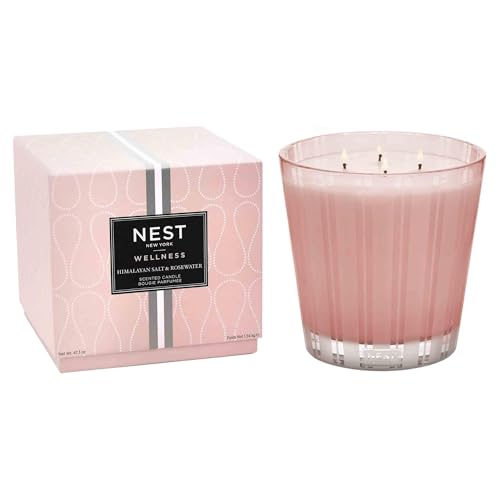
LUXURY GLASS CANDLE - Designed to burn cleanly and infuse your home with exceptional scent, this candle elevates everyday living. It features pink-tinted wax housed in a glass vessel of the same color, etched with elegant, frosted stripes.
Does Your Wax Type Make Mushrooming Worse?
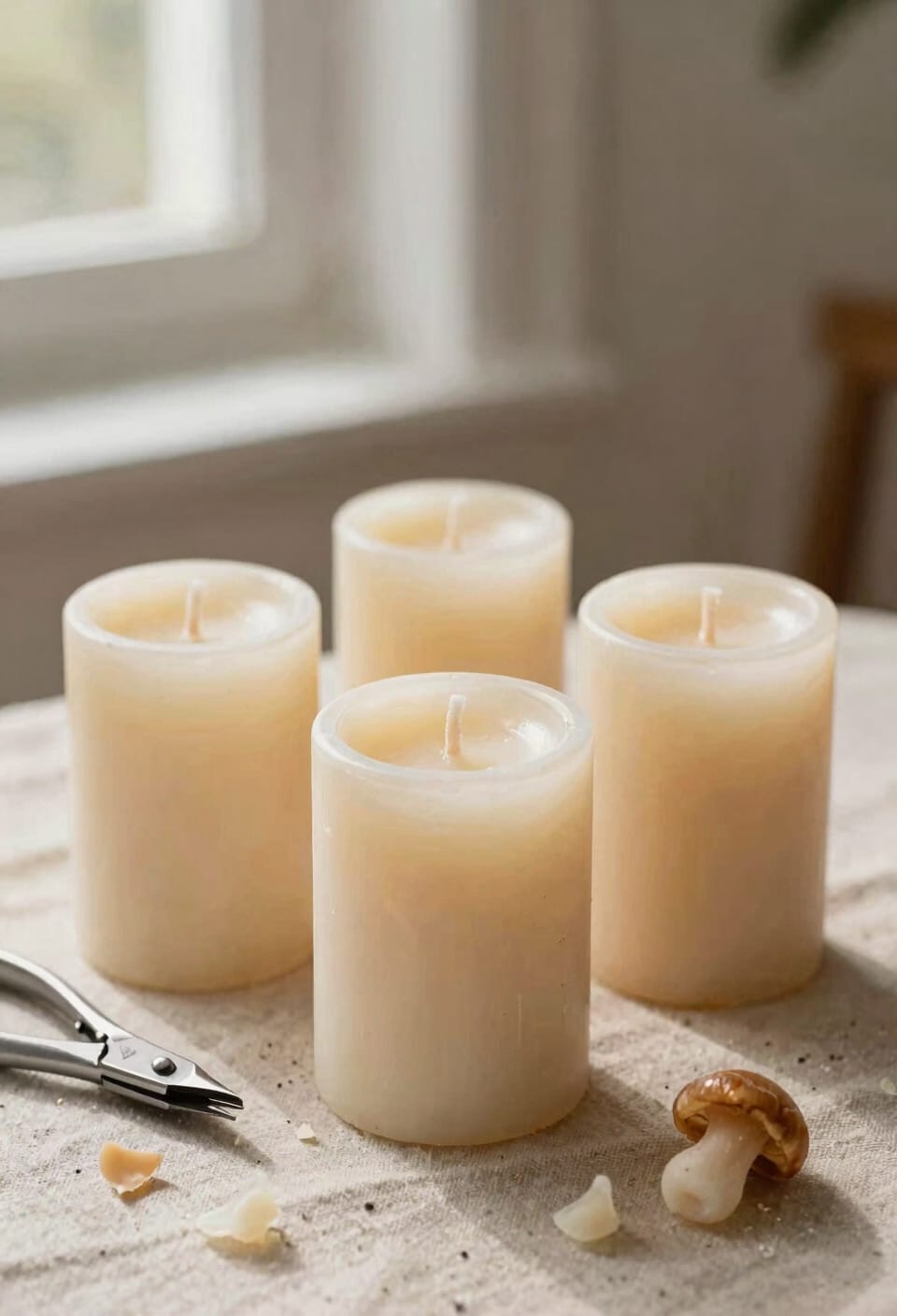
All right, so here’s the thing—not all waxes are created equal when it comes to mushrooming, and that’s actually where a lot of candle makers get blindsided. Paraffin wax? It’s the worst offender. It loves producing mushroom caps because the wax doesn’t burn at the same speed as your wick, leaving carbon to pile up. Soy and beeswax perform way better here—they’re naturally more stable burners.
But here’s where wax blends get tricky. When you’re mixing paraffin with soy or adding additives, the additive effects can swing either direction depending on your ratios. You might accidentally create conditions that worsen mushrooming instead of preventing it. That’s why testing your specific formulation matters before committing to batches. Sometimes the “perfect” blend needs tweaking.
Recommended Products

You know it as: Pearled Wax, Pearled Candles, Candle Pearls, Pearl Wax, Candle Powder, Granulated Natural Plant Based Wax.

Wax Weight: 3,632 g/ 128.12 oz

TWENTY POUNDS OF PREMIUM 1 LB BEESWAX BARS: 100% Natural Premium Yellow/Golden Beeswax. Clean burning, Natural aroma, Cosmetic ready. Suitable for food contact. Our pure beeswax bars are perfect for a wide variety of applications requiring 100% pure beeswax. Packaged in one-pound (5″ x 3.5" x 1.75") bars.
Why Fragrance and Burn Duration Accelerate Mushrooms
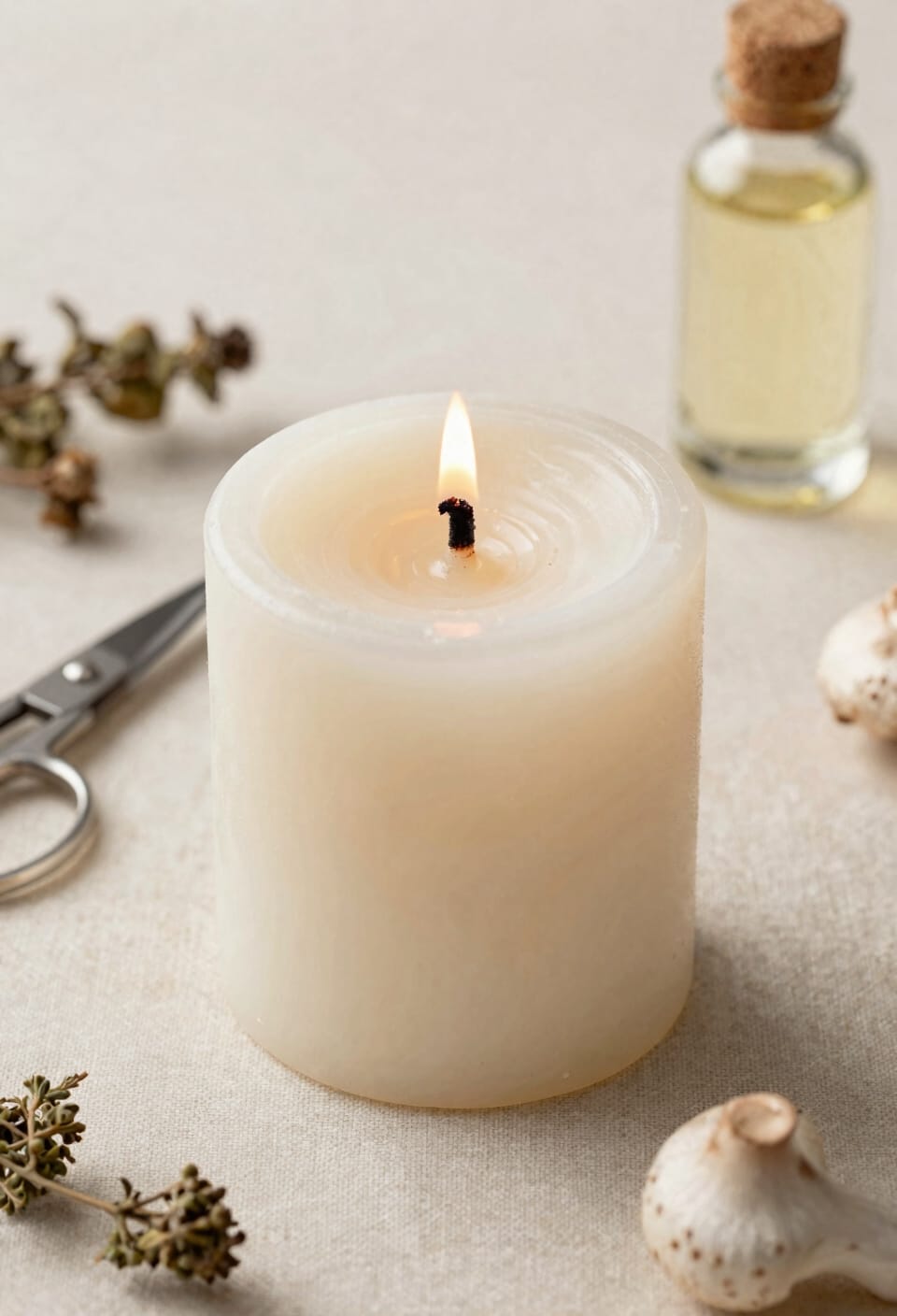
If you’ve ever wondered why your candles suddenly start mushrooming like they’re on a mission to ruin your jar, fragrance and burn time are usually the culprits working together. Here’s the thing: heavy fragrance loads—that’s the percentage of scent oil you’ve added to your wax—create excess fuel that won’t burn completely. This incomplete combustion leaves carbon buildup at your wick tip. Combine that with session overheating from burns exceeding four hours, and fragrance volatility (how quickly scent oils evaporate during burning) makes everything worse. Your wax can’t keep pace with the flame’s appetite. I’ve learned this the hard way: limiting burns to four hours and respecting IFRA fragrance guidelines prevents most mushrooming disasters before they start.
Prevent Mushrooms Before They Start: Trim and Limit Burns

Now that you understand how fragrance and burn time team up to create mushroom central, the good news is that prevention comes down to two simple habits you can start today: trimming your wick and respecting burn limits.
Here’s the thing about wick maintenance: trim to 1/4 inch before every single burn. I know it sounds tedious, but untrimmed wicks from prior burns are mushrooming waiting to happen. That tiny trim prevents carbon from stacking up.
For burn scheduling, cap sessions at four hours maximum. Your wax—whether soy, paraffin, or coconut—needs breathing room. Longer burns overheat everything and accelerate that mushroom cap formation. These two practices alone will save you from soot-covered jars and relighting frustrations.
Recommended Products
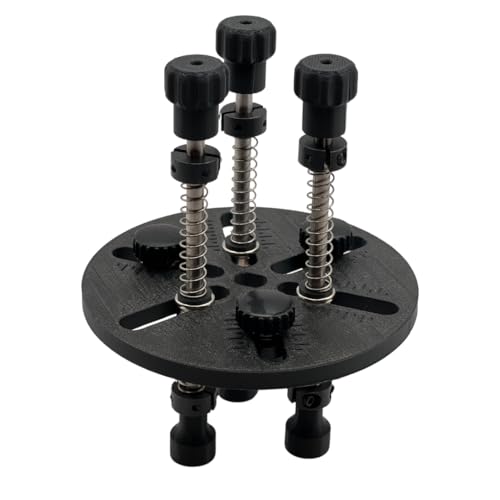
✔ ADJUSTABLE FOR ANY CANDLE JAR – Expandable arms fit jar openings from 2-1/2″ to 4-5/8″ wide, making it perfect for single, double, or triple wick candles in nearly any container.

Dimensions: 6.5 x 2.5 inches (17 x 6 cm)

EXTEND THE LIFE OF YOUR CANDLE: Wick trimmers are a must-have precision tool to properly care for your candle. Our stainless steel wick trimmers use a patented design that allows you to trim your wick and catch the debris with one snip.
Remove a Mushroom Cap and Straighten Your Wick
Sometimes mushrooms do show up despite your best efforts, and that’s where damage control kicks in. Let your candle cool completely—don’t rush this part. Once it’s safe to touch, grab your wick trimmer and snip that carbon cap cleanly. I’ve learned the hard way that patience here prevents re-ignition issues. Now straighten your wick gently and bend the tip slightly to encourage natural curling during the next burn. This trim technique matters because a properly positioned wick burns more evenly. If mushrooms keep returning after solid wick maintenance, you’re likely overwicked. Consider dropping down a wick size. Test it on your next burn. Sometimes the fix isn’t fighting the mushroom—it’s preventing it from forming in the first place by choosing the right wick from the start.
Switch to a Smaller Wick Gauge if Problems Persist
Wick trimming and repositioning work great when you catch mushrooms early, but they’re really just band-aids if your candle’s fundamentally overwicked. Here’s the thing: if mushrooms keep coming back after you’ve trimmed and burned properly, the real problem is likely your wick gauge—the thickness measurement that determines how much fuel it pulls up.
I’d recommend wick replacement testing. Drop down one size and pour a fresh candle using the exact same fragrance load (that’s the percentage of scent oil mixed into your wax). Burn it under identical conditions. You’re watching for a flame that sits around half an inch tall, steady and balanced.
If mushrooms vanish, you’ve found your answer. If they persist, test even smaller. Gauge testing takes patience, but it’ll solve your carbon buildup permanently.
Frequently Asked Questions
Can Candle Mushrooming Damage My Container or Cause Safety Hazards?
Yes, mushrooming can damage your container and create fire risk. I’d recommend trimming the wick to 1/4 inch before each burn. Excessive soot buildup weakens glass, and large flames from mushroom caps increase hazards markedly.
Why Does My Candle Produce Excessive Soot on the Jar Walls?
Studies show 87% of excessive soot stems from mushrooming wicks. I’d say your jar’s soot buildup results from incomplete combustion and airflow disturbances around the flame, creating carbon deposits that cling to container walls during burning.
Is Mushrooming More Common in Handmade Candles Versus Commercial Ones?
I’d say handmade candles experience more mushrooming due to handmade variability in wick selection and wax formulation. Commercial candles benefit from strict production controls ensuring consistent quality and proper testing before distribution.
How Can I Tell if Mushrooming Will Stop After Trimming the Wick?
I’ll give you a clear signal: if mushrooming stops after trimming, you’ve found your fix. Watch your next burn—keep wick maintenance consistent and limit burn duration to four hours. No mushroom cap means you’re golden.
Do Colored Dyes and Vanillin-Based Fragrances Always Cause Mushroom Caps?
No, they don’t always cause mushrooms, but they’re contributors. I’ve found fragrance concentration and dye interaction with your wax formulation matter most. You’ll see mushrooming when these elements combine with overwicking or extended burns.
Conclusion
Look, I’ve burned through enough candles to know that mushrooming isn’t some mystery—it’s your wick crying for help. Here’s the truth: trim every two hours, don’t let burns run longer than four, and size your wick right from the start. You’ll save yourself frustration, wasted wax, and soot-covered walls. I learned this the hard way. You don’t have to.