As an Amazon Associate, we earn from qualifying purchases. Some links on this site are affiliate links at no extra cost to you. Our recommendations are based on thorough research and editorial judgment.

How Much Fragrance Oil to Add to Soy Wax (By Weight & Wax Type)

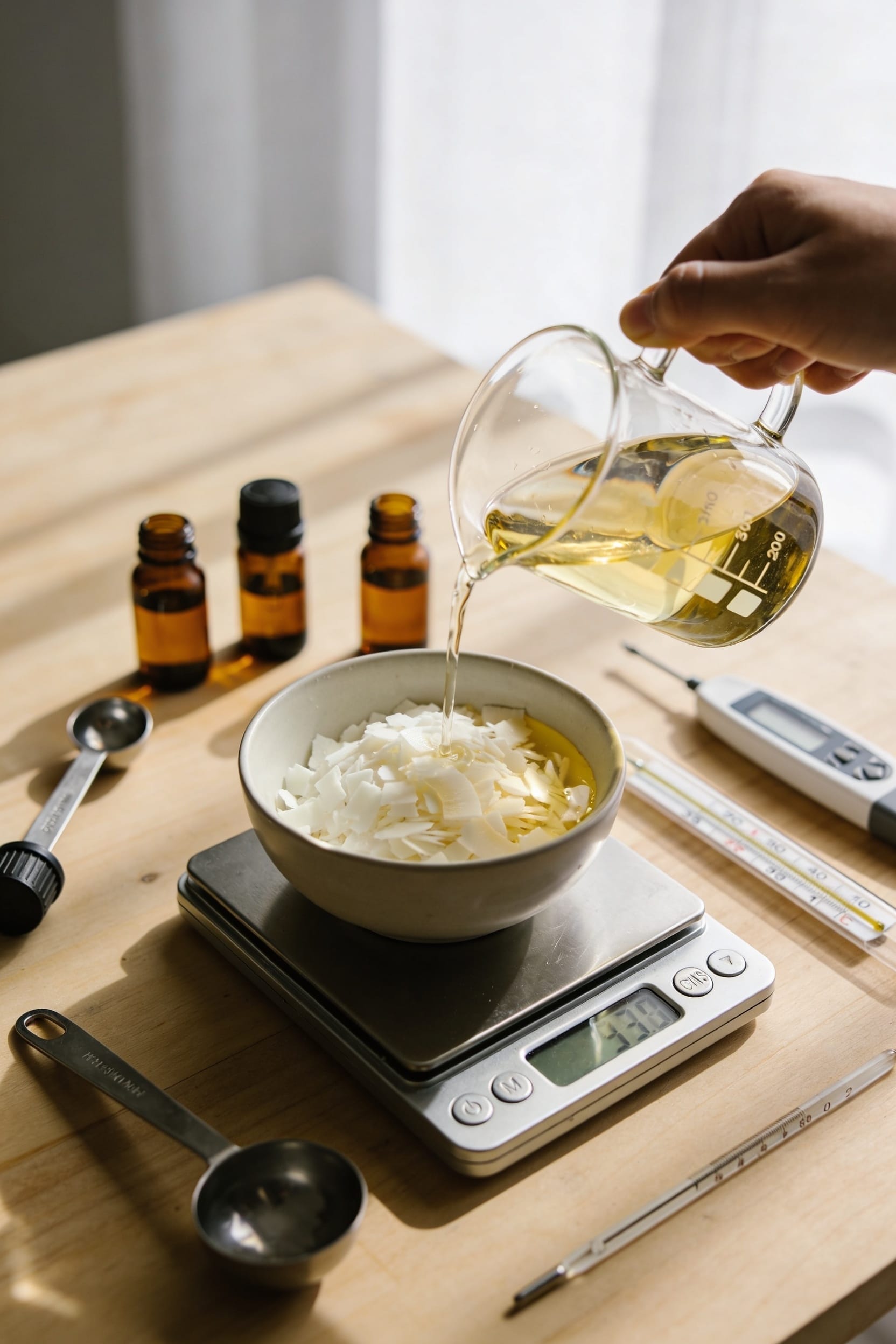
All right, fragrance load—the percentage of fragrance oil you mix into melted wax—is what separates candles that smell incredible from sweating messes. For soy wax, start with 8% by weight, which means multiplying your wax weight by 0.08. So 32 ounces of wax gets 2.56 ounces of fragrance oil. You can go conservative at 6% for new scents or push to 10% if your wax handles it, but test small batches first to avoid ruining entire batches before understanding what works.
Key Takeaways
- Fragrance load percentage for soy wax typically ranges from 6–10%, with 8% as the recommended starting point for balanced scent throw and reliability.
- Calculate fragrance oil weight by multiplying wax weight by load percentage; for example, 32 oz wax at 10% equals 3.2 oz fragrance oil.
- Add fragrance oil to melted wax at 170–180°F temperature, then stir gently for two minutes to ensure complete incorporation and consistent diffusion.
- Golden Brands 464 soy wax supports higher fragrance loads up to 12%, while conservative 6% loads work best for new or untested fragrances.
- Test small batches of three to five candles before scaling production, evaluating both cold throw and hot throw after full cure time.
Why Fragrance Load Matters for Soy Wax
When you’re standing in front of your cooled candles wondering why one smells amazing and another barely registers across the room, fragrance load is almost certainly the culprit—and I’ve been there, staring at a batch of duds wondering what went wrong.
Fragrance load is the percentage of fragrance oil you add relative to your wax weight, and it’s genuinely the difference between a candle that fills your space and one that disappoints. Get it wrong and you’ll compromise both scent retention—how well the wax holds that fragrance over time—and burn safety. Add too much fragrance and your candle sweats, tunnels, and potentially becomes unsafe to burn. Too little? You’re wasting container space and your customer’s money on something that barely performs.
Choose Your Soy Wax Load: 6%, 8%, or 10
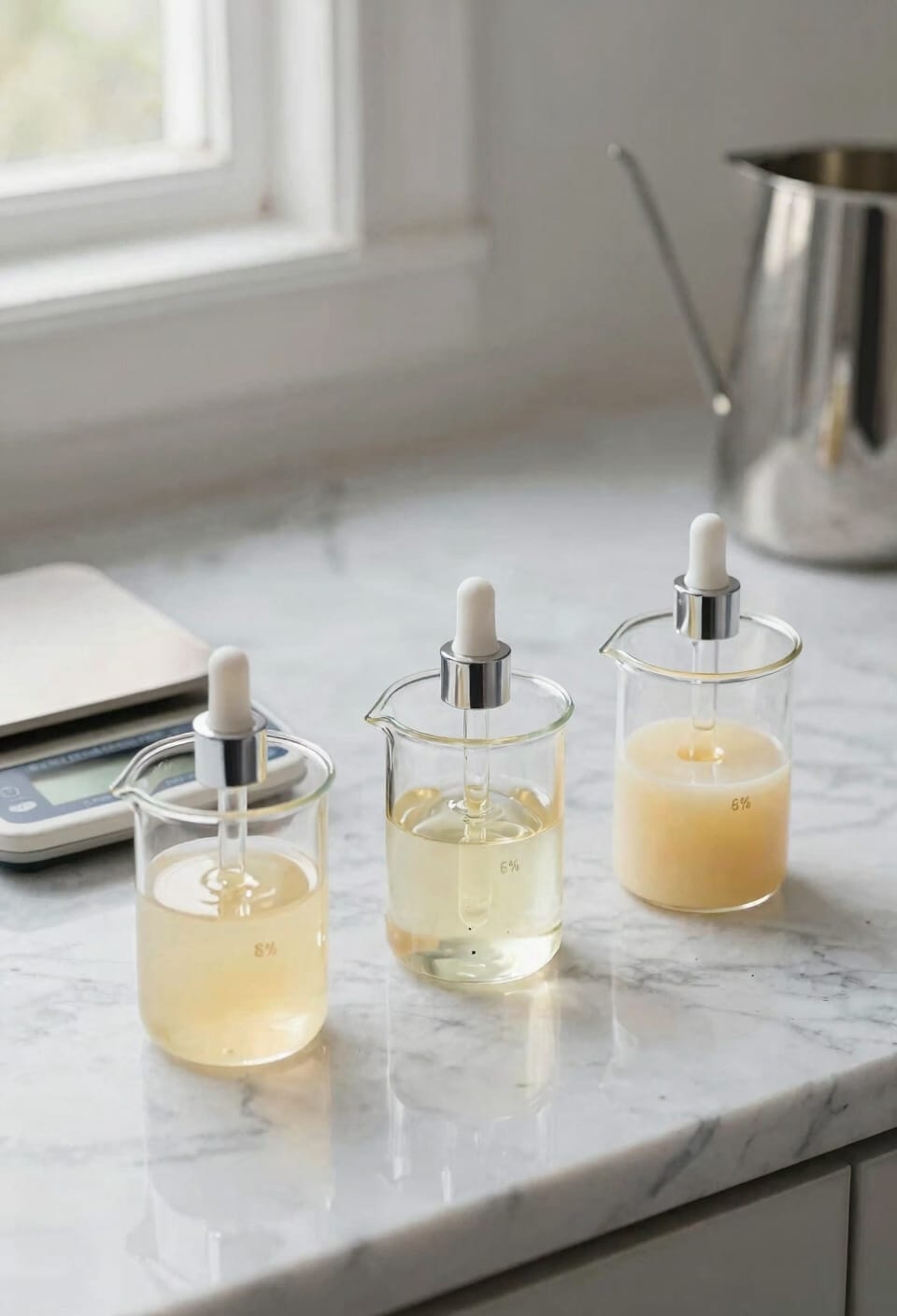
Three fragrance load percentages will cover almost every soy wax candle you’ll ever make: 6%, 8%, and 10%. Here’s the thing: 6% is your conservative choice—perfect for fragrance compatibility in blends and when you’re testing a new scent. I use it when I’m unsure how the fragrance’ll perform. Eight percent hits the sweet spot for most candle makers. It delivers solid scent throw without stressing your wax, and it scales beautifully across container sizing, whether you’re pouring eight-ounce votives or massive three-wick vessels. Ten percent? That’s aggressive. Golden Brands 464 soy can handle it, and the throw’s genuinely impressive, but it leaves less room for error. Start at 8% and adjust based on your results.
Recommended Products

CANDLE MAKING SUPPLY KIT: 50lbs soy wax, 500 cotton wicks, 500 glue stickers, 10 metal wick holders. Includes Everything you need to make your own candles.

All-In-One Starter Kit – Everything you need to dive into candle making! Our Hearth and Harbor soy candle wax for candle making includes 45 lbs of smooth soy wax flakes, 100 cotton wicks, 100 adhesive stickers, and 2 centering tools. Perfect for beginners or seasoned DIYers.
NATURAL COCONUT SOY WAX BEADS - Best candle making supplies make the best natural candles! Our safe, ethically produced, microwavable and paraffin-free coconut wax beads are smooth and creamy in appearance, perfect for candles, tealights and wax melts.
Calculate Fragrance Load by Weight for Soy
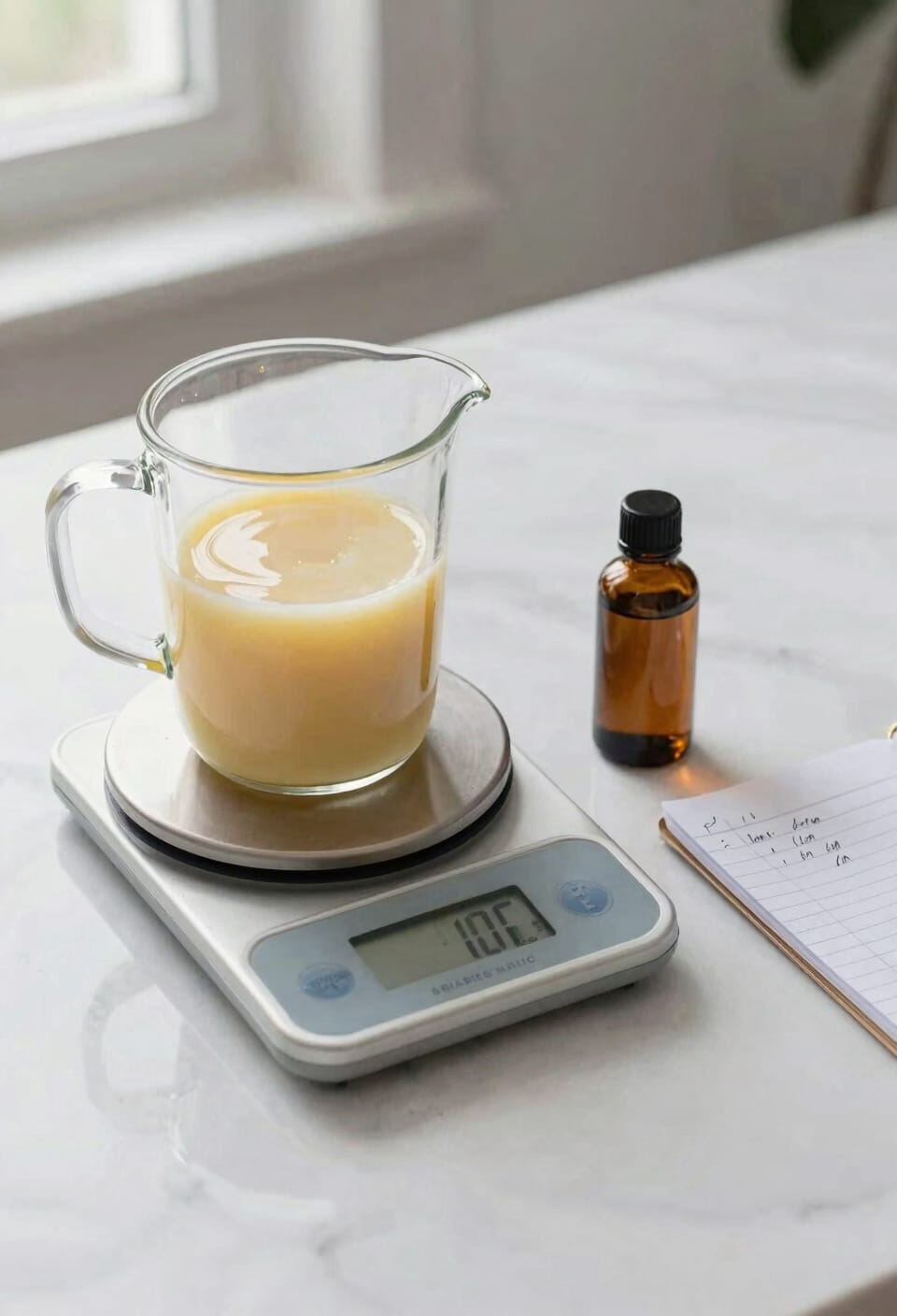
Now that you’ve picked your load percentage, the real work begins—you’ve got to actually figure out the numbers. Here’s the thing: fragrance diffusion depends on precise scent calibration, which means you need actual math, not guessing.
Let’s say you’re working with 32 ounces of soy wax at 10% load. Multiply 32 by 0.10, and you get 3.2 ounces of fragrance oil. That’s it. For an 8% load, it’s 2.56 ounces. For 6%, it’s 1.92 ounces.
I’d grab a kitchen scale—digital ones run cheap—and weigh everything. No eyeballing. The fragrance oil needs to fully incorporate with your melted wax, so stir it in slowly once your wax hits around 180°F. Test your batch before scaling up. You’ll know within days if your scent throw works.
Recommended Products

Natural and pure: Our soy wax burns cleanly without the bad substances produced by paraffin combustion, so you can use it at ease
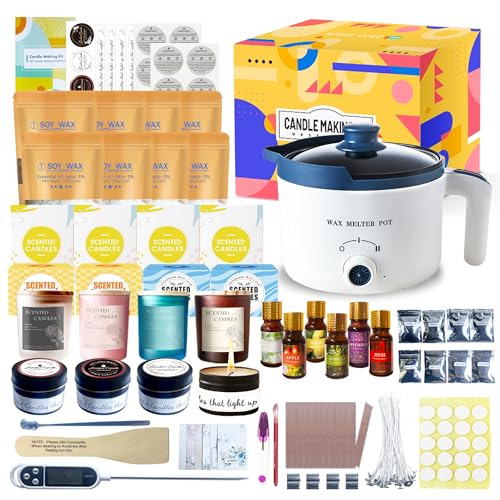
Make Your Own Candle Kit: The scented craft candle wax kit comes in a beautiful giftable box and has lots of extras including packs of soy wax, gorgeous candle jars & tin cans, 6 fragrance oils, 6 dye blocks, beautiful candle labels, wicks, wick sticker, eltectric wax melting pot, mixing spoon, and MUCH more!

Ample Quantity: package includes 50 pieces of baby shower candle gifts and each candle measures 1.57 x 0.67'', the ample amount is suitable for both small intimate gatherings and larger signification events with a scale of 50 guests, ensuring each of your guests will receive a memento of your important day
Measure and Add Fragrance Oil Correctly
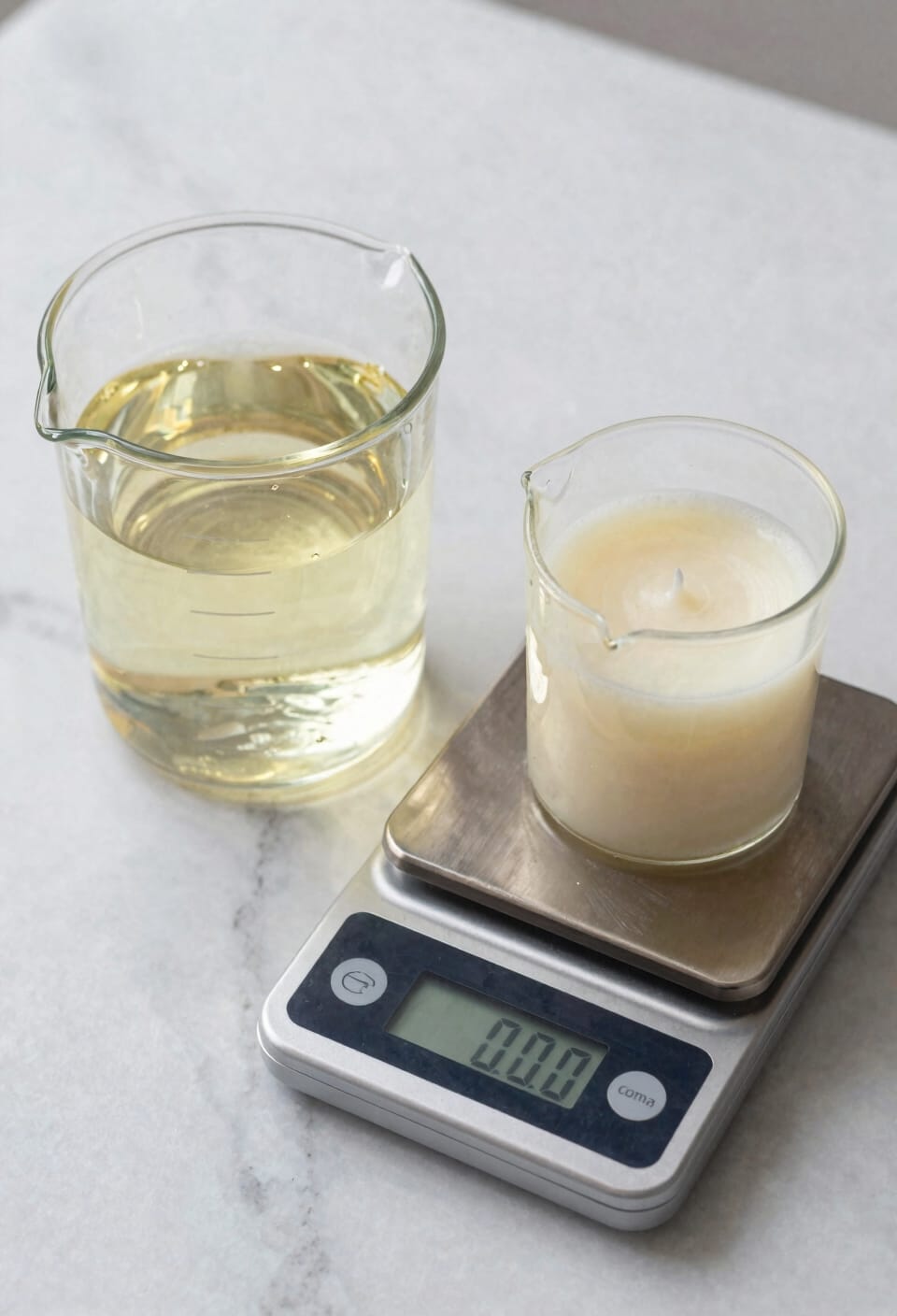
Precision matters more here than anywhere else in the candle-making process, because even a half-ounce mistake compounds into either a candle that barely smells like anything or one that sweats fragrance oil all over your container like it’s nervous about a presentation.
I use a digital scale accurate to 0.1 ounces—your weighing technique determines everything. Measure your wax first, then add fragrance oil to the melted wax around 170–180°F. Temperature impact is real: too cool and the oil won’t blend smoothly; too hot and volatile compounds evaporate before they bond. Stir gently for two minutes. Never eyeball it. I learned that mistake once. Your nose will thank you, and your containers won’t leak.
Recommended Products
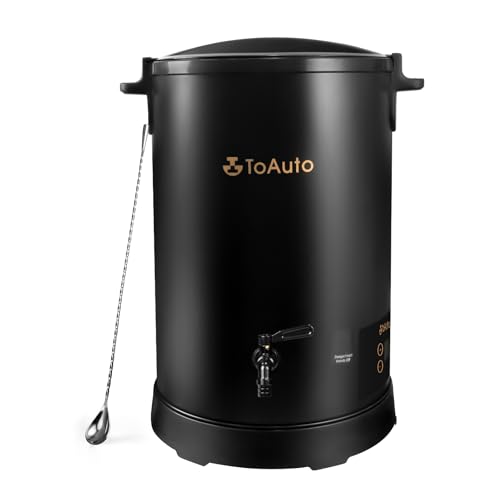
Effortlessly Make 60 Candles in One Go:Running a small business or handling a big custom order? TOAUTO 30Lbs wax melter helps you melt enough wax for 60 x 8oz candles in a single batch—no more waiting, no more stress. Whether you're fulfilling last-minute orders or stocking up for craft fairs, it saves you time and energy so you can focus on what you love: creating beautiful candles.
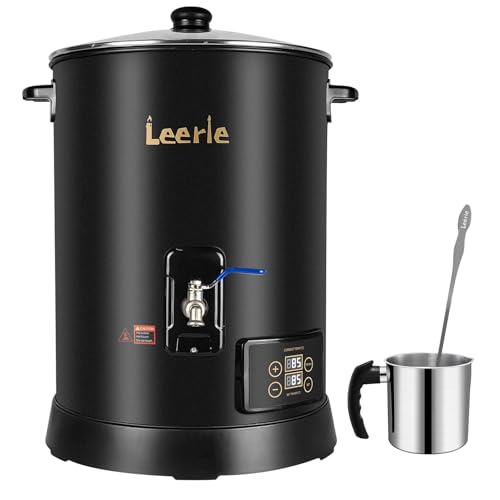
✔ MELT MORE, SELL MORE—30LBS AT ONCE : Scale up without slowing down. Designed for professional makers, the Leerie D15 Wax Melter holds up to 30 lbs of wax—enough to pour 120 4oz candles in a single session. Perfect for small businesses and studios handling wholesale orders, seasonal demand, or daily restocks. Big capacity, big results—minus the batch hassle.

Fast Melt 80 Candles at A Time: The TOAUTO WMF-10L digital wax melter can handle a rush order for bulk candle production. It can melt 10 quarts of candle wax and create 80 4-ounce candles at a time, significantly reducing production time and making mass production easier.
Test Your Fragrance Load Before Scaling Up
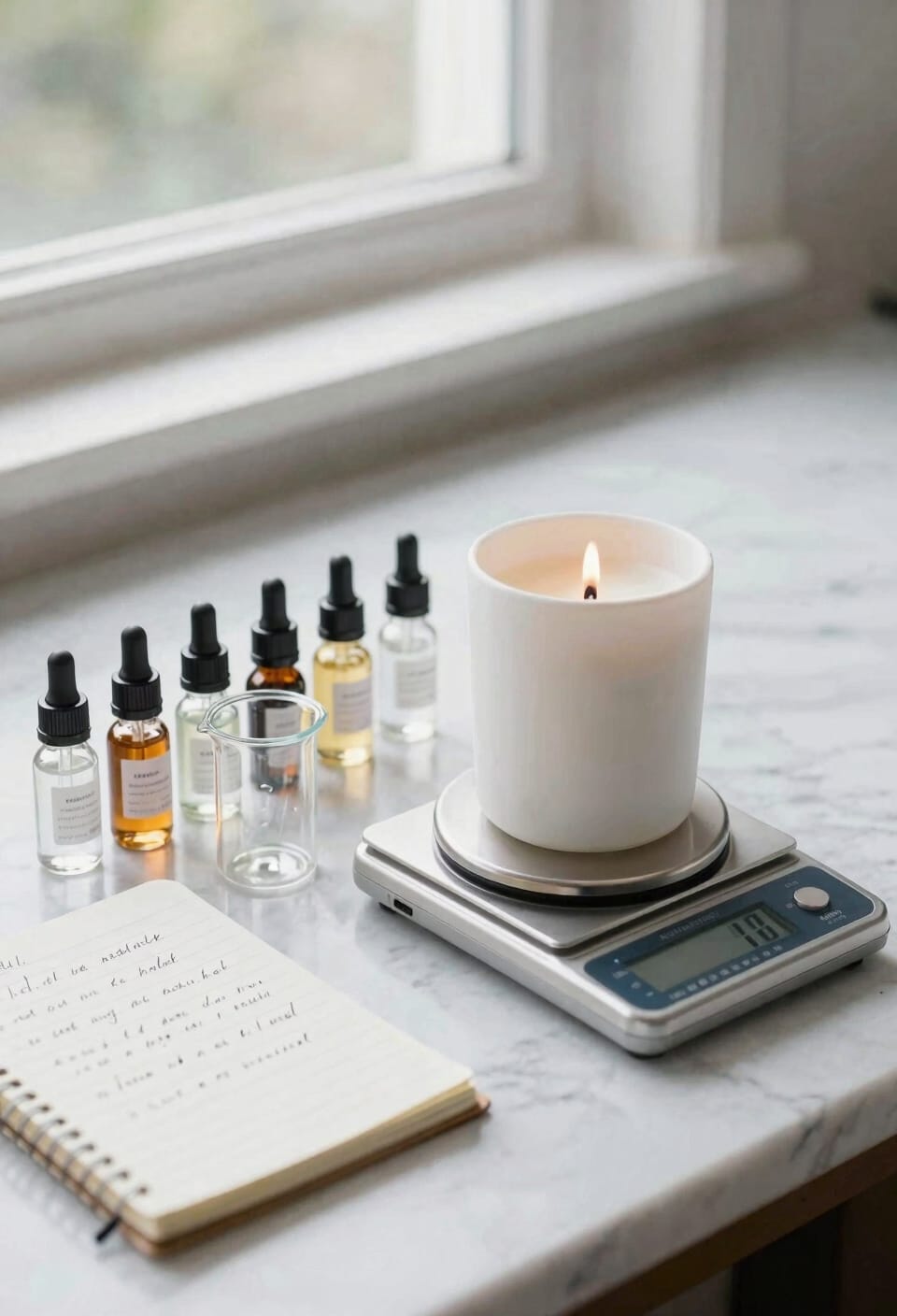
Jumping straight into production with an untested fragrance load is how you end up with fifty candles that either smell like nothing or weep oil onto your shelf like they’re melting from embarrassment.
Start with small batches—I’m talking three to five candles per test load. Pour them, let them cure fully, then evaluate. Burn one candle and assess the scent throw, which is how strongly the fragrance fills your room. With the others unlit, use scent strips to gauge cold throw, the fragrance you smell without burning. This matters because they’re different animals entirely.
You’ll quickly spot problems: weak performance, sweating wax, or uneven scent distribution. Once you’ve nailed it, scale confidently. Testing saves money and sanity.
Recommended Products

LUSH RAINFOREST SCENTED CANDLE — Sacred Breu resin, Brazilian Vetiver oil, wild jungle flora, and crushed cypress root come together in a fragrance that stops you the moment you walk through the door — transportive, complex, and utterly unforgettable

French Vanilla Fragrance Oil - Tempting, delicious, rich & creamy with a buttery vanilla scent

All-Inclusive Kit: Comes with 50 lbs of soy wax flakes, 100 pre-waxed 6 inch wicks, and 2 centering devices; this set gives you essential candle making supplies for DIY projects or gifting
Five Fragrance Load Mistakes That Ruin Candles
Even when you’ve tested your fragrance load and found something that works, it’s shockingly easy to sabotage yourself in the execution. Overloading fragrances beyond your wax’s capacity—soy typically maxes out around 10-12%—causes sweating, where oil beads on the surface. I’ve done it. You’ll also get uneven curing if you pour at inconsistent temperatures, which prevents fragrance from bonding properly throughout the wax. Rushing the cure time is another killer; your scent throw suffers when you burn a candle before it’s fully set. Using low-quality fragrance oils or mixing incompatible types creates weak, muddy scents. Finally, don’t skip testing wicks with your specific load percentage. A wick that works at 6% might fail spectacularly at 10%. Small mistakes compound fast.
Recommended Products

SCENT - Champagne features fresh orange & mandarin zest, raspberry & Tuscan lemon sparkle, and a twist of grapefruit & ginger. Essences of rose and neroli, woven with verbena, make the scent effervescent and bright.
100% NATURAL SOY WAX : Hand-poured in small batches with natural soy wax and premium fragrance oils for a clean and long-lasting burn
![VINEVIDA [128oz] Scent No.1305 Fragrance Oil for Candle Making and Soap Making - Premium Candle Scents for Soy Candles](https://m.media-amazon.com/images/I/31rb+7uzY9L._SL500_.jpg)
HIGHEST QUALITY - Our candle fragrance MADE IN THE USA using pure, natural, and raw ingredients. All VINEVIDA products are vegan, free of phthalates, parabens, and other potentially dangerous chemicals.
Frequently Asked Questions
Can I Mix Different Fragrance Oils in One Batch Without Affecting the Fragrance Load Percentage?
Yes, I can mix different fragrance oils without affecting your load percentage. What matters is the total fragrance weight relative to wax. Just make sure your combined fragrance oils don’t exceed your wax’s maximum capacity through fragrance layering and scent compatibility testing.
How Does Ambient Temperature Impact Fragrance Oil Absorption in Soy Wax During Cooling?
I’ve found that ambient cooling acts like a sponge squeezing tighter—faster temperatures reduce fragrance absorption as wax crystallization locks in place quickly, trapping oils before they’re fully integrated into the wax structure.
Should I Adjust Fragrance Load for Different Candle Container Sizes and Shapes?
You shouldn’t adjust your fragrance load percentage for different container sizes—I’d keep it consistent. However, you’ll want to take into account wick placement and vessel material, as they affect scent throw and burn quality differently.
What’s the Shelf Life of Fragrance Oil-Loaded Soy Wax Before It Loses Scent Potency?
Most fragrance oils maintain potency for 12-24 months. I’d recommend storing your scent-loaded soy wax in cool, dark conditions to minimize oxidation rates and evaporation loss, ensuring ideal scent stability throughout shelf life.
Can I Use Fragrance Load Percentages From Paraffin Candles When Switching to Soy Wax?
I wouldn’t recommend it directly. Paraffin chemistry differs from soy’s molecular structure, affecting fragrance retention and scent throw. You’ll need to adjust percentages and test wick compatibility since soy burns cooler than paraffin.
Conclusion
Look, I used to think more fragrance oil always meant better scent—I was wrong. I’ve poured batches at 12% fragrance load, and they smelled weaker than 8% versions. Here’s the truth: there’s a ceiling where extra oil actually prevents proper scent throw because the wax can’t hold it all. Start at 6%, test, adjust upward. You’ll find your sweet spot faster than I did, and you won’t waste pounds of wax learning the hard way.